THE ADVENTURE COLLECTIVE® · Independent discovery and booking for outdoor travel

See Chengdu’s famous pandas in the morning, then travel to the riverside wonder of the Leshan Giant Buddha by afternoon. This full-day tour combines wildlife viewing, Tang-dynasty history, and river canyon scenery with practical logistics sorted for you.
See Chengdu’s famous pandas in the morning, then travel to the riverside wonder of the Leshan Giant Buddha by afternoon. This full-day tour combines wildlife viewing, Tang-dynasty history, and river canyon scenery with practical logistics sorted for you.
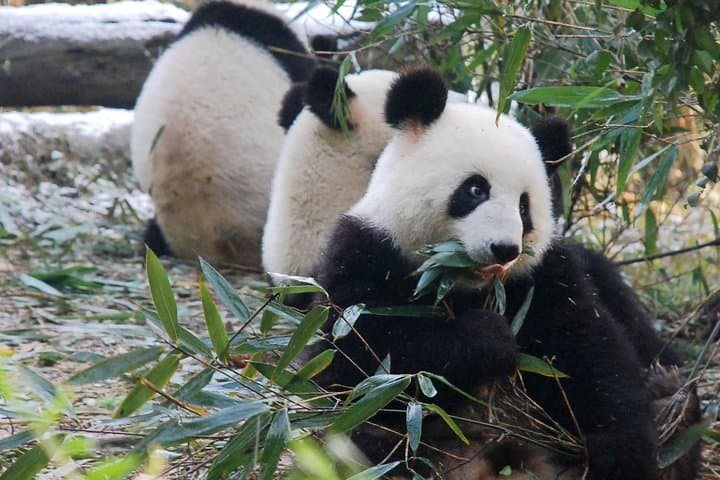
Morning light filters through bamboo as the tour disembarks at Chengdu Research Base of Giant Panda Breeding, where black-and-white adults laze and cubs tumble in a network of enclosures designed to mimic mountain valleys.
Verified experiences and guided adventures in the surrounding area.
Operated by U2Panda · Chengdu, Sichuan
Morning light filters through bamboo as the tour disembarks at Chengdu Research Base of Giant Panda Breeding, where black-and-white adults laze and cubs tumble in a network of enclosures designed to mimic mountain valleys.
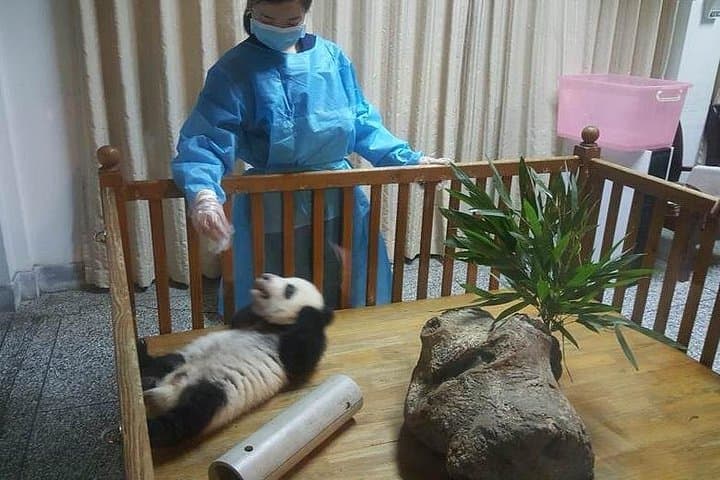
The narrative here is both natural and engineered: panda keepers and veterinarians have turned lessons from wild Sichuan forests into conservation practice, and visitors get a close-up view of feeding and nursery routines that define modern captive-breeding work.
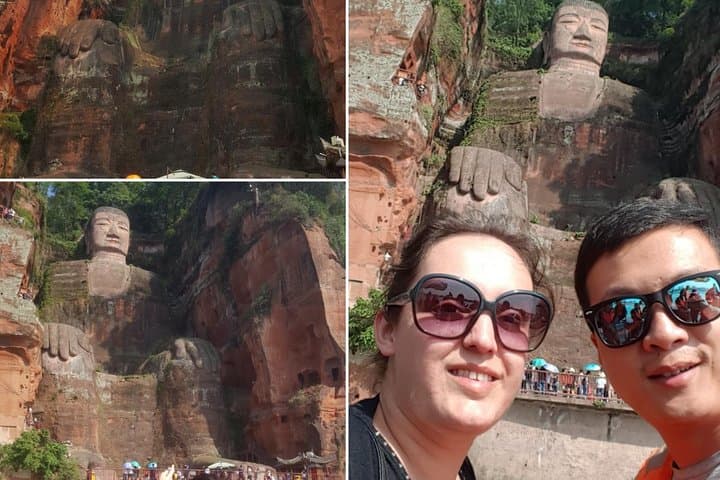
After the pandas the road unspools south toward the Dadu and Min river confluence, where the Leshan Giant Buddha looms—71 metres carved from the cliff face beginning in 713 AD and completed over generations. The statue’s scale and riverside setting reflect Tang-dynasty engineering, local devotion, and river-control intentions that paired spiritual aims with flood management.
Geology shapes both stops: bamboo-rich hills that feed panda diets; red sandstone and conglomerate cliffs that allowed sculptors to carve an enduring river-facing statue. Local culture is present in teahouses back in Chengdu and village shrines near Leshan; guides typically weave Buddhist stories with natural-history context.
Practical guidance: expect a 9-hour day with two main stops and 2–3 hours of driving between them. Bring a charged camera, cash for snacks, and a compact daypack; mornings at the panda base are best for active sightings. Wear comfortable walking shoes—there are steps and river viewpoints at Leshan. Hydrate, follow guide directions around wildlife enclosures, and allow time for photography and short walks at both sites.
easy.
9 hours.
Light walking required—suitable for most fitness levels; some stairs and short walks at each site.
The tour runs about nine hours and includes air-conditioned vehicle transport between Chengdu, the panda base, and Leshan with hotel pickup inside Chengdu’s 3rd ring road.
Pandas are more active in the morning, increasing sighting chances, but cub viewing depends on nursery schedules and breeding season—no guarantees.
Yes; the tour lists entrance fees to the Chengdu Research Base and Leshan Giant Buddha as included in the price.
The tour involves walking and stairs, especially at Leshan; travelers with significant mobility issues should inquire about accessibility before booking.
The Leshan Giant Buddha began construction in 713 AD; local residents funded the project seeking flood control and spiritual protection, and work spanned generations.
The panda base is a leading site for captive-breeding and research; visitors are asked to follow rules that minimize stress on animals and support conservation efforts.
U2Panda operates guided outdoor trips and adventures with an emphasis on safety, stewardship, and memorable experiences.

Morning light filters through bamboo as the tour disembarks at Chengdu Research Base of Giant Panda Breeding, where black-and-white adults laze and cubs tumble in a network of enclosures designed to mimic mountain valleys.
Morning light filters through bamboo as the tour disembarks at Chengdu Research Base of Giant Panda Breeding, where black-and-white adults laze and cubs tumble in a network of enclosures designed to mimic mountain valleys.
The narrative here is both natural and engineered: panda keepers and veterinarians have turned lessons from wild Sichuan forests into conservation practice, and visitors get a close-up view of feeding and nursery routines that define modern captive-breeding work.
After the pandas the road unspools south toward the Dadu and Min river confluence, where the Leshan Giant Buddha looms—71 metres carved from the cliff face beginning in 713 AD and completed over generations. The statue’s scale and riverside setting reflect Tang-dynasty engineering, local devotion, and river-control intentions that paired spiritual aims with flood management.
Geology shapes both stops: bamboo-rich hills that feed panda diets; red sandstone and conglomerate cliffs that allowed sculptors to carve an enduring river-facing statue. Local culture is present in teahouses back in Chengdu and village shrines near Leshan; guides typically weave Buddhist stories with natural-history context.
Practical guidance: expect a 9-hour day with two main stops and 2–3 hours of driving between them. Bring a charged camera, cash for snacks, and a compact daypack; mornings at the panda base are best for active sightings. Wear comfortable walking shoes—there are steps and river viewpoints at Leshan. Hydrate, follow guide directions around wildlife enclosures, and allow time for photography and short walks at both sites.