THE ADVENTURE COLLECTIVE® · Independent discovery and booking for outdoor travel

Two days that pair Chengdu’s panda research base with the monumental Leshan Giant Buddha and the temple ridges of Mount Emei. Expect busy sites, steep steps, and excellent cultural and wildlife encounters for travelers with moderate fitness.
Two days that pair Chengdu’s panda research base with the monumental Leshan Giant Buddha and the temple ridges of Mount Emei. Expect busy sites, steep steps, and excellent cultural and wildlife encounters for travelers with moderate fitness.
You step out of Chengdu traffic into a morning where bamboo shadows and the distant rumble of river boats set the pace. On day one the panda base hums with quiet activity — keep to the viewing windows early when the adults are most active — then the road unfurls south to Leshan, where a 71‑metre stone Buddha stares across the confluence and the rivers push past its feet.
Verified experiences and guided adventures in the surrounding area.
Operated by pandachinago · Leshan, Sichuan
You step out of Chengdu traffic into a morning where bamboo shadows and the distant rumble of river boats set the pace. On day one the panda base hums with quiet activity — keep to the viewing windows early when the adults are most active — then the road unfurls south to Leshan, where a 71‑metre stone Buddha stares across the confluence and the rivers push past its feet.
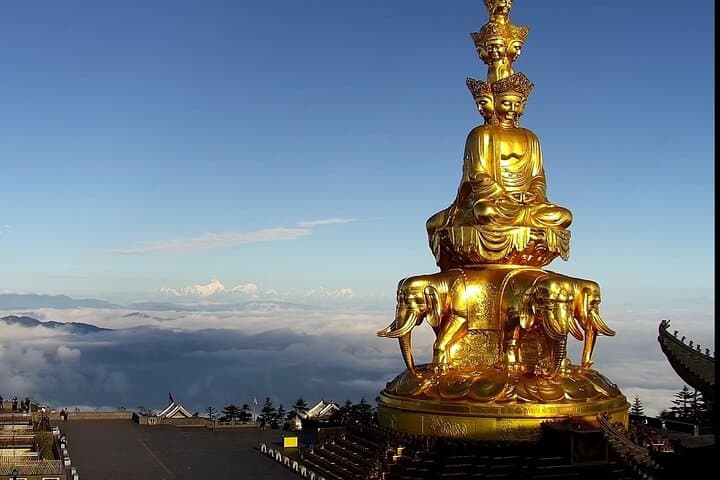
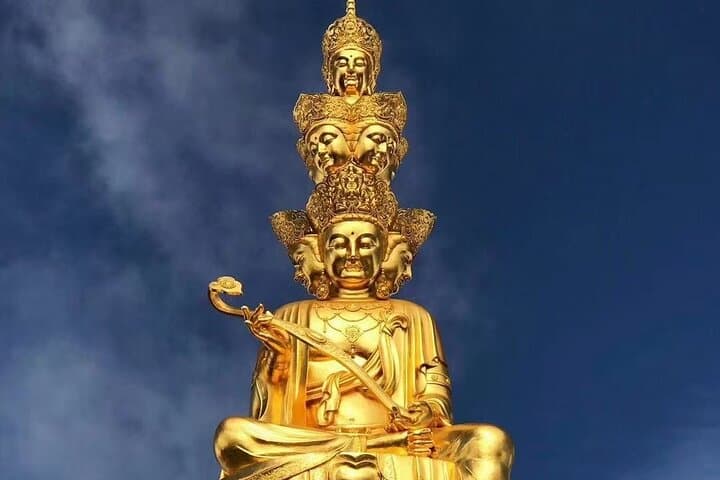
The sites span natural history and human craft: the giant Buddha, carved into Cretaceous red-bed sandstone during the Tang dynasty, reflects ancient engineering and Fengshui practice; Mount Emei rises as one of China’s Four Sacred Buddhist Mountains, its ridgelines scoured by monsoon seasons into terraces and temple niches. Local culture is visible in temple courtyards where incense smoke argues softly with the wind, and in Chengdu’s modern role as the panda‑research hub dedicated to captive breeding and rewilding.
Practically, the tour is busy but manageable for anyone with moderate fitness. Expect multiple stair sections on Emei, uneven cliff steps at Leshan, and paved paths at the panda base. Time your visit early for panda viewing and late afternoon on Emei for softer light and fewer buses. Hydration and layers matter here: mountain weather can flip from warm sun to mist in an hour. Bring cash for minor temple fees and small food stalls, and carry photocopies of travel documents for checkpoints. If you want frame‑worthy photos, the riverside boat view of the Buddha and the high temple terraces on Emei reward the extra climb.
moderate.
2 days.
Moderate — able to walk several hours, handle stairs and short steep sections
This tour lists admissions as not included; expect to pay entrance fees locally unless the operator specifies otherwise when you book.
Plan for several hours of walking each day with stair climbs on Mount Emei and steps down to view the Leshan Buddha—moderate fitness is recommended.
Private transportation is provided for the two‑day itinerary, covering hotel pickup and transfers between Chengdu, Leshan and Emeishan areas.
Morning feeding times (shortly after opening) and cooler days encourage more panda activity; avoid the midday heat when they nap more often.
The Leshan Giant Buddha was carved from the cliff between 713–803 CE during the Tang dynasty; Mount Emei’s temples developed over centuries as a major Buddhist pilgrimage site.
Chengdu’s panda base leads captive breeding and reintroduction efforts, while local authorities limit development around Emei and Leshan to control erosion and tourist impact.
pandachinago operates guided outdoor trips and adventures with an emphasis on safety, stewardship, and memorable experiences.


You step out of Chengdu traffic into a morning where bamboo shadows and the distant rumble of river boats set the pace. On day one the panda base hums with quiet activity — keep to the viewing windows early when the adults are most active — then the road unfurls south to Leshan, where a 71‑metre stone Buddha stares across the confluence and the rivers push past its feet.
You step out of Chengdu traffic into a morning where bamboo shadows and the distant rumble of river boats set the pace. On day one the panda base hums with quiet activity — keep to the viewing windows early when the adults are most active — then the road unfurls south to Leshan, where a 71‑metre stone Buddha stares across the confluence and the rivers push past its feet.
The sites span natural history and human craft: the giant Buddha, carved into Cretaceous red-bed sandstone during the Tang dynasty, reflects ancient engineering and Fengshui practice; Mount Emei rises as one of China’s Four Sacred Buddhist Mountains, its ridgelines scoured by monsoon seasons into terraces and temple niches. Local culture is visible in temple courtyards where incense smoke argues softly with the wind, and in Chengdu’s modern role as the panda‑research hub dedicated to captive breeding and rewilding.
Practically, the tour is busy but manageable for anyone with moderate fitness. Expect multiple stair sections on Emei, uneven cliff steps at Leshan, and paved paths at the panda base. Time your visit early for panda viewing and late afternoon on Emei for softer light and fewer buses. Hydration and layers matter here: mountain weather can flip from warm sun to mist in an hour. Bring cash for minor temple fees and small food stalls, and carry photocopies of travel documents for checkpoints. If you want frame‑worthy photos, the riverside boat view of the Buddha and the high temple terraces on Emei reward the extra climb.