THE ADVENTURE COLLECTIVE® · Independent discovery and booking for outdoor travel

Spend a day as a hands‑on volunteer at Dujiangyan or Wolong panda bases—preparing bamboo, observing feedings up close, and making panda treats under the guidance of trained keepers. This structured program combines practical conservation work with cultural context and expert translation.
Spend a day as a hands‑on volunteer at Dujiangyan or Wolong panda bases—preparing bamboo, observing feedings up close, and making panda treats under the guidance of trained keepers. This structured program combines practical conservation work with cultural context and expert translation.
Morning mist lifts from bamboo groves as you step into a controlled, purposeful wild: keepers move with quiet confidence, pandas pace and pause as if timing their own curiosity. This volunteer day places you inside a living conservation project, where washing bamboo, assembling panda cakes, and watching feedings are practical acts that support animal care and research.
Verified experiences and guided adventures in the surrounding area.
Operated by michelle · Dujiangyan, Sichuan
Morning mist lifts from bamboo groves as you step into a controlled, purposeful wild: keepers move with quiet confidence, pandas pace and pause as if timing their own curiosity. This volunteer day places you inside a living conservation project, where washing bamboo, assembling panda cakes, and watching feedings are practical acts that support animal care and research.
The Sichuan region has been central to panda conservation since mid‑20th century relocations and the creation of research centers after seismic disruption in 2008. The bases blend rugged mountain geology with engineered enclosures—broken limestone ribs, steep ridgelines, and terraced staff areas—creating habitats that nudge pandas toward natural behaviors. Local culture around Chengdu and Dujiangyan values coexistence with wildlife; food, ritual and community support conservation efforts here.
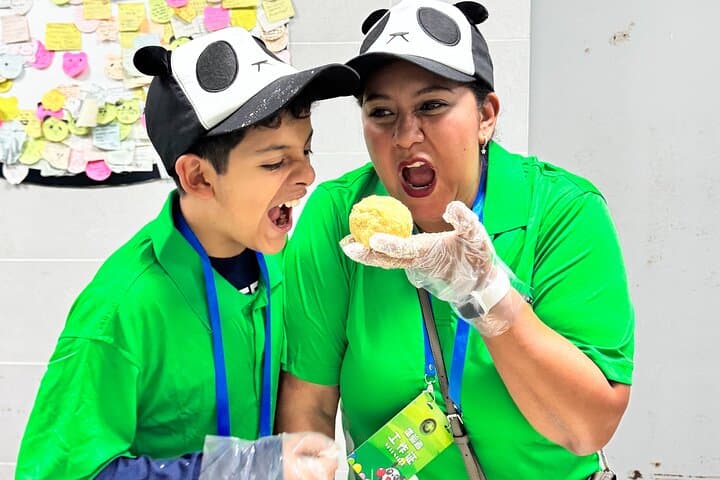
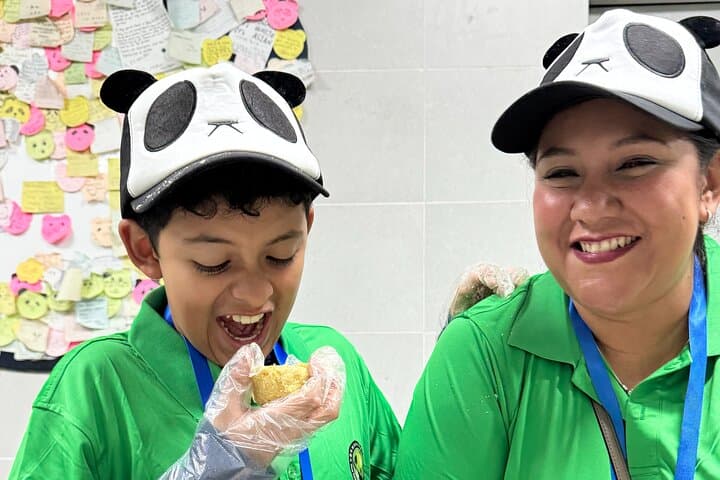
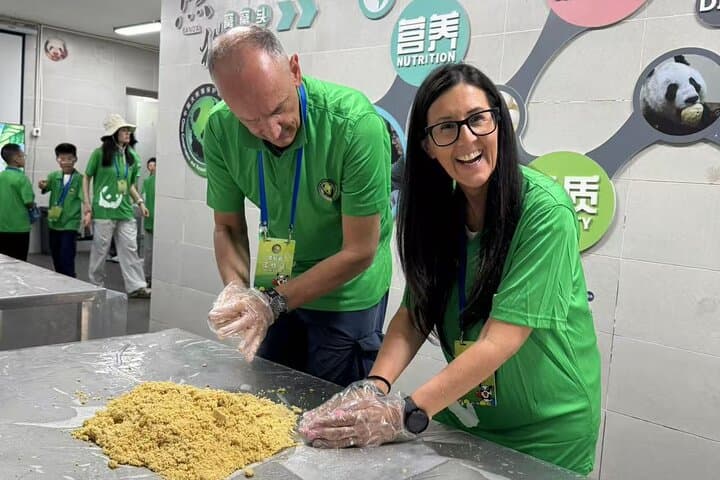
Expect a full day: orientation, hands‑on food prep, close-but-regulated feeding observation, a short documentary, and making traditional wowotou panda treats. Staff guide every step; translation and safety are provided by English‑speaking guides. The experience is structured—no unsupervised contact with adult pandas—and emphasizes biosecurity: wash hands, wear provided gear, and follow keeper instructions.
Practical tips: arrive well rested, wear closed‑toe shoes and layers for variable mountain weather, and bring minimal personal items to reduce contamination risk. Cameras are welcome but follow flash and distance rules. The program is suitable for most fitness levels and is a rare chance to contribute directly to species recovery while learning the science and community efforts that sustain it.
easy.
8 hours.
Suitable for most people with basic mobility; involves standing, bending, and light manual tasks for several hours.
No—contact with adult giant pandas is not permitted for safety and biosecurity; some supervised interactions (like feeding viewings) are observational only.
Age requirements vary by base; typically children under a certain age must be accompanied and some tasks are limited—check booking details and provide ages when you book.
The program usually includes lunch at the base, pickup and drop‑off from Chengdu, and a private air‑conditioned vehicle as listed in the inclusion details.
Follow staff instructions: wear provided work clothes and gloves, avoid bringing food into enclosures, sanitize hands, and limit personal items to reduce contamination risk.
Sichuan’s reserves grew after mid‑20th century conservation initiatives and received renewed focus after the 2008 earthquake, leading to expanded breeding and rewilding research.
The bases prioritize habitat restoration, breeding programs, and community education; volunteers must follow strict protocols to minimize disturbance and disease risk.
michelle operates guided outdoor trips and adventures with an emphasis on safety, stewardship, and memorable experiences.
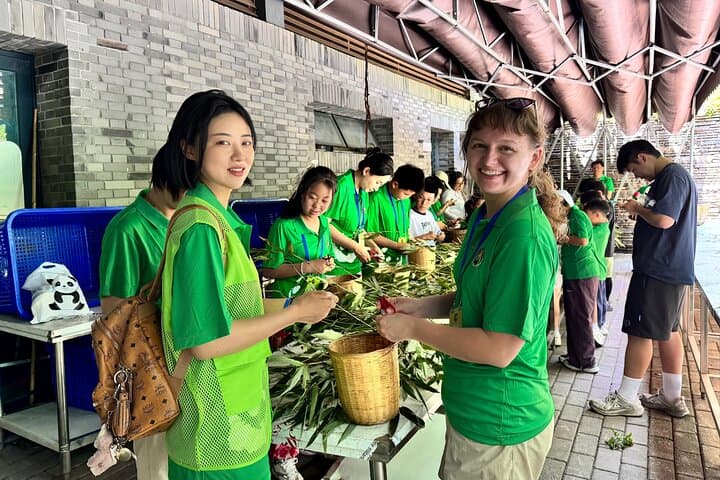
Morning mist lifts from bamboo groves as you step into a controlled, purposeful wild: keepers move with quiet confidence, pandas pace and pause as if timing their own curiosity. This volunteer day places you inside a living conservation project, where washing bamboo, assembling panda cakes, and watching feedings are practical acts that support animal care and research.
Morning mist lifts from bamboo groves as you step into a controlled, purposeful wild: keepers move with quiet confidence, pandas pace and pause as if timing their own curiosity. This volunteer day places you inside a living conservation project, where washing bamboo, assembling panda cakes, and watching feedings are practical acts that support animal care and research.
The Sichuan region has been central to panda conservation since mid‑20th century relocations and the creation of research centers after seismic disruption in 2008. The bases blend rugged mountain geology with engineered enclosures—broken limestone ribs, steep ridgelines, and terraced staff areas—creating habitats that nudge pandas toward natural behaviors. Local culture around Chengdu and Dujiangyan values coexistence with wildlife; food, ritual and community support conservation efforts here.
Expect a full day: orientation, hands‑on food prep, close-but-regulated feeding observation, a short documentary, and making traditional wowotou panda treats. Staff guide every step; translation and safety are provided by English‑speaking guides. The experience is structured—no unsupervised contact with adult pandas—and emphasizes biosecurity: wash hands, wear provided gear, and follow keeper instructions.
Practical tips: arrive well rested, wear closed‑toe shoes and layers for variable mountain weather, and bring minimal personal items to reduce contamination risk. Cameras are welcome but follow flash and distance rules. The program is suitable for most fitness levels and is a rare chance to contribute directly to species recovery while learning the science and community efforts that sustain it.