THE ADVENTURE COLLECTIVE® · Independent discovery and booking for outdoor travel

Short, scenic and rich in geology and legend, this 3–4 hour circuit out of Pachmarhi pairs dramatic viewpoints with cooling waterfalls. Expect rocky trails, steep steps and memorable sunset panoramas at Priyadarshini Point.
Short, scenic and rich in geology and legend, this 3–4 hour circuit out of Pachmarhi pairs dramatic viewpoints with cooling waterfalls. Expect rocky trails, steep steps and memorable sunset panoramas at Priyadarshini Point.
Misty pines lean over narrow lanes as you climb into the Satpura uplands, the air cooling and the town of Pachmarhi unfolding in terraces and rock outcrops. You arrive at Forsyth (Priyadarshini) Point—about 5 km from town—where the plateau drops away and the wind pushes you toward a sweeping sunset. The route threads through sal and teak forest, past a 35 m plunge at Bee Falls and the cliff-hemmed Handi Khoh, a 300-foot ravine that has long drawn local myth and quiet rituals.
Verified experiences and guided adventures in the surrounding area.
Misty pines lean over narrow lanes as you climb into the Satpura uplands, the air cooling and the town of Pachmarhi unfolding in terraces and rock outcrops. You arrive at Forsyth (Priyadarshini) Point—about 5 km from town—where the plateau drops away and the wind pushes you toward a sweeping sunset. The route threads through sal and teak forest, past a 35 m plunge at Bee Falls and the cliff-hemmed Handi Khoh, a 300-foot ravine that has long drawn local myth and quiet rituals.
Geology here is old: Satpura’s sandstone and laterite have been carved by monsoon and time into hollows, natural pools and sheer faces. Pachmarhi has layers of history too—ancient cave shelters linked to the Pandavas and a colonial-era role as a cool hill station—so stone and story sit side by side.
On the ground expect short but sometimes steep walks, rocky steps and slippery sections near cascades; Apsara Vihar (Apsara Pool) is a small, naturally formed plunge pool ideal for a quick cool-down after a scramble. Culture in town is modest: local markets sell chai and savory snacks; temples and shrines punctuate the paths.
Practical guide: plan 3–4 hours for the core sights, wear grippy shoes, carry at least 1–1.5 L water, and avoid the pool after heavy rain when currents get strong. Visit in late afternoon for light that flatters the cliffs and to miss the mid-day heat. Leave no trace—these sandstone slopes erode quickly and fragile pools host rare amphibians. With basic fitness and steady footing you’ll finish with views that reward every step.
moderate.
3–4 hours.
Light to moderate fitness—able to manage short steep sections and uneven, rocky trails.
Most visitors spend about 3–4 hours visiting Forsyth (Priyadarshini) Point, Bee Falls, Handi Khoh and Apsara Vihar without extended hikes.
Short dips are common, but avoid swimming after heavy rain when currents and pool depth change—always assess safety on arrival.
Older children who are steady on uneven ground will manage; supervise near cliff edges and waterfalls as rock surfaces can be slippery.
October to March offers pleasant temperatures and clearer skies; monsoon (June–September) makes falls dramatic but trails slippery.
Pachmarhi sits on the Satpura plateau with archaeological caves tied to ancient stories and a colonial-era history as a cool hill retreat, blending natural and cultural layers.
Sandstone slopes and natural pools are erosion-prone and ecologically sensitive—stick to paths, pack out waste, and avoid disturbing aquatic habitats.
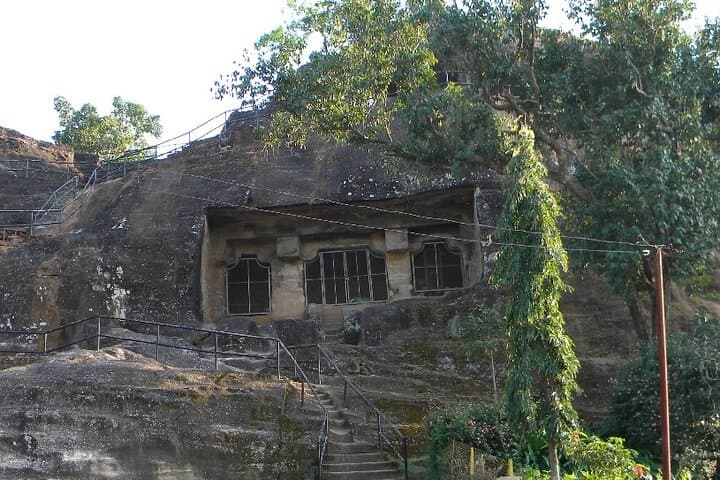
Misty pines lean over narrow lanes as you climb into the Satpura uplands, the air cooling and the town of Pachmarhi unfolding in terraces and rock outcrops. You arrive at Forsyth (Priyadarshini) Point—about 5 km from town—where the plateau drops away and the wind pushes you toward a sweeping sunset. The route threads through sal and teak forest, past a 35 m plunge at Bee Falls and the cliff-hemmed Handi Khoh, a 300-foot ravine that has long drawn local myth and quiet rituals.
Misty pines lean over narrow lanes as you climb into the Satpura uplands, the air cooling and the town of Pachmarhi unfolding in terraces and rock outcrops. You arrive at Forsyth (Priyadarshini) Point—about 5 km from town—where the plateau drops away and the wind pushes you toward a sweeping sunset. The route threads through sal and teak forest, past a 35 m plunge at Bee Falls and the cliff-hemmed Handi Khoh, a 300-foot ravine that has long drawn local myth and quiet rituals.
Geology here is old: Satpura’s sandstone and laterite have been carved by monsoon and time into hollows, natural pools and sheer faces. Pachmarhi has layers of history too—ancient cave shelters linked to the Pandavas and a colonial-era role as a cool hill station—so stone and story sit side by side.
On the ground expect short but sometimes steep walks, rocky steps and slippery sections near cascades; Apsara Vihar (Apsara Pool) is a small, naturally formed plunge pool ideal for a quick cool-down after a scramble. Culture in town is modest: local markets sell chai and savory snacks; temples and shrines punctuate the paths.
Practical guide: plan 3–4 hours for the core sights, wear grippy shoes, carry at least 1–1.5 L water, and avoid the pool after heavy rain when currents get strong. Visit in late afternoon for light that flatters the cliffs and to miss the mid-day heat. Leave no trace—these sandstone slopes erode quickly and fragile pools host rare amphibians. With basic fitness and steady footing you’ll finish with views that reward every step.