THE ADVENTURE COLLECTIVE® · Independent discovery and booking for outdoor travel

A brisk three-day trek from Pokhara to Panchase Hill delivers a sunrise panorama of the Annapurna range, forested ridgelines, and village culture. Expect long stone stairways, tea-house nights, and a rewarding summit dawn.
A brisk three-day trek from Pokhara to Panchase Hill delivers a sunrise panorama of the Annapurna range, forested ridgelines, and village culture. Expect long stone stairways, tea-house nights, and a rewarding summit dawn.
The trail opens before dawn as you leave the low-lying rice terraces and begin climbing into fir and rhododendron forest. Dawn creeps across the eastern ridgeline and, by the time you reach Panchase’s 2,500 m crest, the Annapurna and Dhaulagiri massifs peel themselves into light—sharp, close, and uncompromising.
Verified experiences and guided adventures in the surrounding area.
Operated by AM Travels and Tours · Pokhara, Gandaki Province
The trail opens before dawn as you leave the low-lying rice terraces and begin climbing into fir and rhododendron forest. Dawn creeps across the eastern ridgeline and, by the time you reach Panchase’s 2,500 m crest, the Annapurna and Dhaulagiri massifs peel themselves into light—sharp, close, and uncompromising.
This short, local trek follows centuries-old mule tracks used by Gurung and Brahmin villages that dot the hills above Pokhara. Geologically, the route sits on the foothills of the Greater Himalaya: steep schist and quartzite underfoot, with narrow ridgelines that funnel wind and weather. Culture is visible in small stone shrines, hilltop Shiva temples, and tea houses where locals exchange news and chai with trekkers.
Expect single-track trails, long stone stair sections, and forested pitches where moss dampens each footfall. Birds use the canopy as their highway; the sky is often cleared of dust at sunrise, giving you uncompromised mountain panoramas.
Practical guidance: plan three days with moderate fitness—each day includes several hours of continuous uphill or downhill on uneven terrain. Carry a headlamp for early starts, layered clothing for rapid temperature swings, and enough water or a reliable filter. Tea houses provide simple lodgings and hot meals, but pack insulating sleep layers and cash; remote ATMs are not available on the route.
The trek is compact enough for first-time multi-day hikers but rewards steady pacing and respect for steep stone stair descents. Finish with the long stairway down to Ghatichhina and a local bus ride back to Pokhara, where warm food and a proper bed feel especially earned.
moderate.
3 days.
Suitable for hikers with regular cardio and leg-strength training; expect sustained ascents and steep descents each day.
No special national park permit is required for Panchase, but local conservation fees may apply; your guide or operator typically arranges any necessary passes.
Yes—this itinerary uses local tea houses with basic twin rooms; they provide hot meals but expect simple facilities and shared bathrooms.
Moderate fitness is sufficient: you should be comfortable hiking 4–6 hours with elevation changes and carrying a daypack.
While the trail is well used, hiring a guide improves navigation, supports local economy, and is recommended for first-time visitors and those unfamiliar with local logistics.
Panchase has long been a seasonal grazing and pilgrimage landscape for Gurung and hill communities; temples along the route mark cultural ties between villages and the high ridgelines.
The Panchase Conservation Area focuses on protecting native rhododendron forests and watersheds; stick to trails, minimize plastic, and support local tea houses to keep tourism sustainable.
AM Travels and Tours operates guided outdoor trips and adventures with an emphasis on safety, stewardship, and memorable experiences.

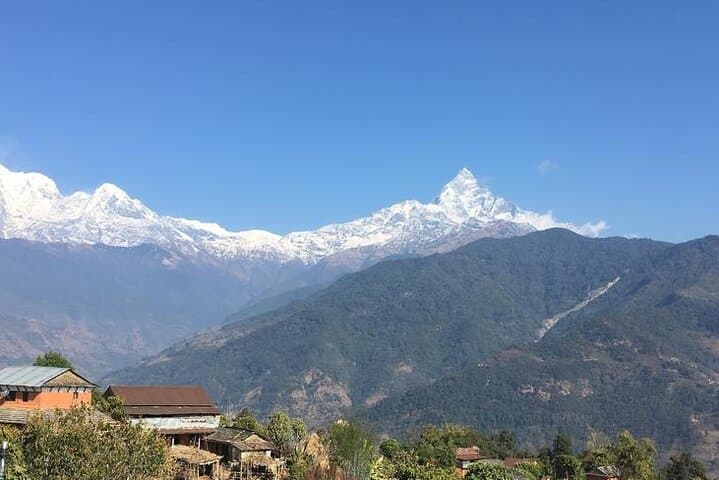
The trail opens before dawn as you leave the low-lying rice terraces and begin climbing into fir and rhododendron forest. Dawn creeps across the eastern ridgeline and, by the time you reach Panchase’s 2,500 m crest, the Annapurna and Dhaulagiri massifs peel themselves into light—sharp, close, and uncompromising.
The trail opens before dawn as you leave the low-lying rice terraces and begin climbing into fir and rhododendron forest. Dawn creeps across the eastern ridgeline and, by the time you reach Panchase’s 2,500 m crest, the Annapurna and Dhaulagiri massifs peel themselves into light—sharp, close, and uncompromising.
This short, local trek follows centuries-old mule tracks used by Gurung and Brahmin villages that dot the hills above Pokhara. Geologically, the route sits on the foothills of the Greater Himalaya: steep schist and quartzite underfoot, with narrow ridgelines that funnel wind and weather. Culture is visible in small stone shrines, hilltop Shiva temples, and tea houses where locals exchange news and chai with trekkers.
Expect single-track trails, long stone stair sections, and forested pitches where moss dampens each footfall. Birds use the canopy as their highway; the sky is often cleared of dust at sunrise, giving you uncompromised mountain panoramas.
Practical guidance: plan three days with moderate fitness—each day includes several hours of continuous uphill or downhill on uneven terrain. Carry a headlamp for early starts, layered clothing for rapid temperature swings, and enough water or a reliable filter. Tea houses provide simple lodgings and hot meals, but pack insulating sleep layers and cash; remote ATMs are not available on the route.
The trek is compact enough for first-time multi-day hikers but rewards steady pacing and respect for steep stone stair descents. Finish with the long stairway down to Ghatichhina and a local bus ride back to Pokhara, where warm food and a proper bed feel especially earned.