THE ADVENTURE COLLECTIVE® · Independent discovery and booking for outdoor travel

A five-day trek from Kathmandu to the sacred Pancha Pokhari lakes, crossing forests, high pastures and alpine ridges to reach 4,100 m. Perfect for trekkers who want cultural encounters, panoramic Himalayan views and a taste of high-altitude trekking.
A five-day trek from Kathmandu to the sacred Pancha Pokhari lakes, crossing forests, high pastures and alpine ridges to reach 4,100 m. Perfect for trekkers who want cultural encounters, panoramic Himalayan views and a taste of high-altitude trekking.
A cold wind skims the ridge as you step out of a guesthouse into thin, clear air — the lakes wait above the tree line, reflecting a sky that feels closer here. The trail climbs from Chautara through terraced fields and Tamang villages, shifts into fir and rhododendron forest, and then opens into high pastures where yaks graze and the five sacred ponds of Pancha Pokhari sit like scattered mirrors.
Verified experiences and guided adventures in the surrounding area.
Operated by Couch Adventure Nepal (CAN) · Chautara, Sindhupalchowk
A cold wind skims the ridge as you step out of a guesthouse into thin, clear air — the lakes wait above the tree line, reflecting a sky that feels closer here. The trail climbs from Chautara through terraced fields and Tamang villages, shifts into fir and rhododendron forest, and then opens into high pastures where yaks graze and the five sacred ponds of Pancha Pokhari sit like scattered mirrors.
The area sits in Sindhupalchowk, shaped by glacial action and uplift from the Himalaya’s ongoing tectonics. Local Tamang and Sherpa communities maintain religious ties to the lakes; pilgrims have visited for generations to perform rituals at the pokharis. The geology frames views of Dorje Lakpa, Jugal Himal and Langtang — peaks that watch the valley and test the weather.
Expect variable terrain: muddy mule tracks, stone steps, and sharp switchbacks. Altitude is the main challenge — Pancha Pokhari reaches about 4,100 m (13,450 ft) — so pace and acclimatization matter. Guides typically organize guesthouse stays en route and arrange permits and TIMS cards.
Practical guidance: carry layers for sub-zero nights and strong sun by day, use trekking poles to protect knees on steep descents, and hydrate deliberately as the dry mountain air accelerates dehydration. Plan for 5 days including 4–6 hours of walking on most trekking days with one longer push to the lakes. Leave no trace in sacred areas, respect local religious practices, and allow extra time for weather or acclimatization — the mountains will always demand patience.
challenging.
5 days.
Moderate to fit — regular hill walking experience and cardiovascular fitness for long uphill days and high altitude are recommended
Yes — trekking permits and a TIMS (Trekkers' Information Management System) card are typically required; guides usually organize them prior to departure.
The altitude makes it challenging: several days of gradual ascent, good pacing, and awareness of AMS symptoms are essential.
Guesthouses and teahouses along the route offer basic rooms and hot meals; facilities are rustic at higher elevations and may lack hot showers.
Solo trekkers are possible but hiring an experienced local guide is recommended for navigation, permits, and altitude safety.
Pancha Pokhari has been a regional pilgrimage site for centuries; local communities maintain rituals tied to the lakes and seasonal festivals.
The area faces pressure from trekking waste and grazing; stick to established trails, pack out waste, and support local conservation initiatives.
Couch Adventure Nepal (CAN) operates guided outdoor trips and adventures with an emphasis on safety, stewardship, and memorable experiences.
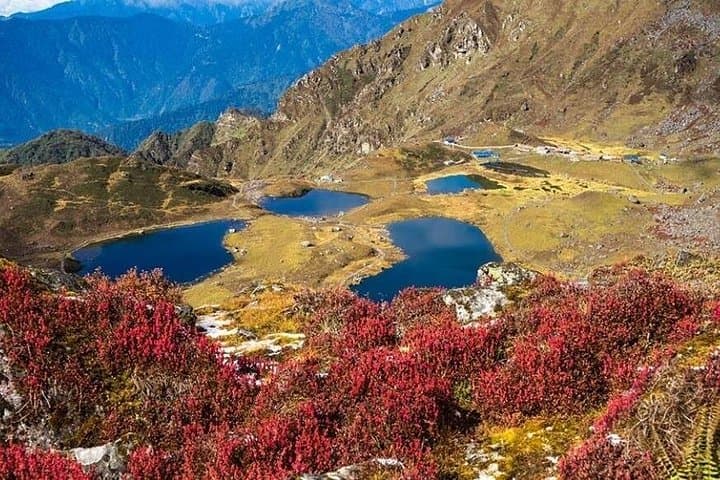
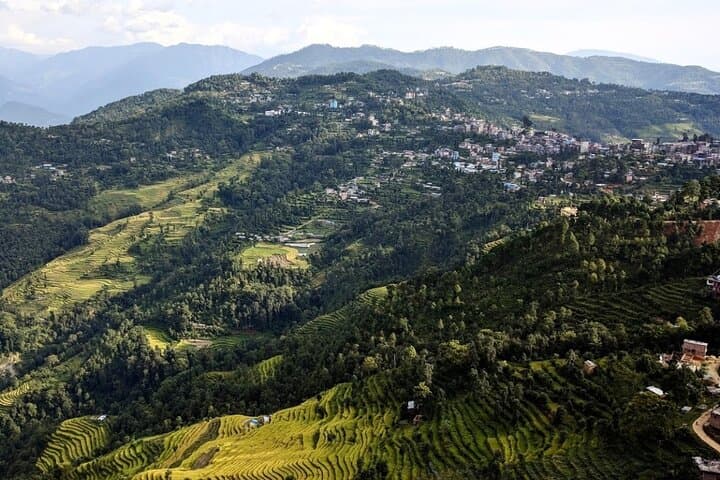
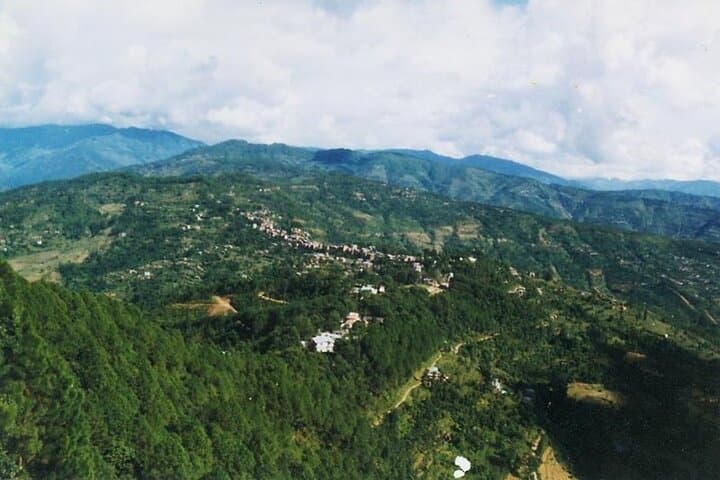
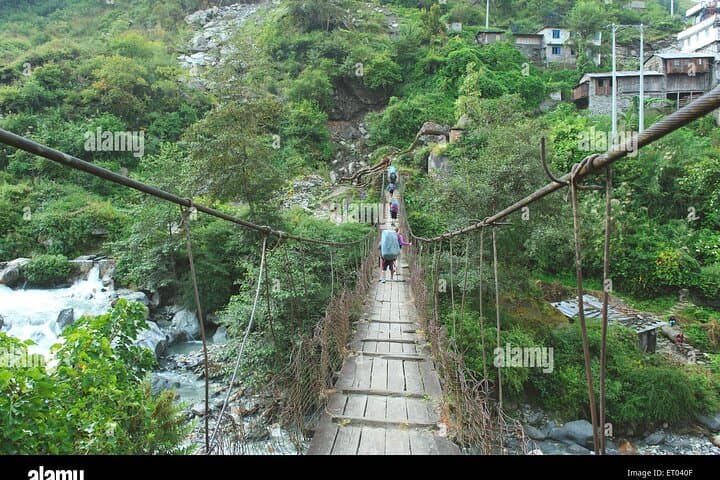
A cold wind skims the ridge as you step out of a guesthouse into thin, clear air — the lakes wait above the tree line, reflecting a sky that feels closer here. The trail climbs from Chautara through terraced fields and Tamang villages, shifts into fir and rhododendron forest, and then opens into high pastures where yaks graze and the five sacred ponds of Pancha Pokhari sit like scattered mirrors.
A cold wind skims the ridge as you step out of a guesthouse into thin, clear air — the lakes wait above the tree line, reflecting a sky that feels closer here. The trail climbs from Chautara through terraced fields and Tamang villages, shifts into fir and rhododendron forest, and then opens into high pastures where yaks graze and the five sacred ponds of Pancha Pokhari sit like scattered mirrors.
The area sits in Sindhupalchowk, shaped by glacial action and uplift from the Himalaya’s ongoing tectonics. Local Tamang and Sherpa communities maintain religious ties to the lakes; pilgrims have visited for generations to perform rituals at the pokharis. The geology frames views of Dorje Lakpa, Jugal Himal and Langtang — peaks that watch the valley and test the weather.
Expect variable terrain: muddy mule tracks, stone steps, and sharp switchbacks. Altitude is the main challenge — Pancha Pokhari reaches about 4,100 m (13,450 ft) — so pace and acclimatization matter. Guides typically organize guesthouse stays en route and arrange permits and TIMS cards.
Practical guidance: carry layers for sub-zero nights and strong sun by day, use trekking poles to protect knees on steep descents, and hydrate deliberately as the dry mountain air accelerates dehydration. Plan for 5 days including 4–6 hours of walking on most trekking days with one longer push to the lakes. Leave no trace in sacred areas, respect local religious practices, and allow extra time for weather or acclimatization — the mountains will always demand patience.