THE ADVENTURE COLLECTIVE® · Independent discovery and booking for outdoor travel

A 12-day pilgrimage through the Garhwal Himalaya, the Panch Kedar Yatra links five ancient Shiva temples via high meadows, steep forested trails and remote mountain villages. This trip blends strenuous trekking with cultural and spiritual stops across Uttarakhand.
A 12-day pilgrimage through the Garhwal Himalaya, the Panch Kedar Yatra links five ancient Shiva temples via high meadows, steep forested trails and remote mountain villages. This trip blends strenuous trekking with cultural and spiritual stops across Uttarakhand.
You step from the lowland heat into a wind that smells of pine, river stone and prayer smoke—Dehradun’s bustle fades as the road pinches between ridges and the Alaknanda threads silver below. Over twelve days the trail moves like a slow rite: Guptkashi’s temple bells, the steep pine corridors to Kedarnath, high alpine meadows at Lyuti and Chopta, and the exposed ridgelines up to Tungnath and Chandrashila.
Verified experiences and guided adventures in the surrounding area.
Operated by Himalayan Dream Treks · Dehradun, Uttarakhand
You step from the lowland heat into a wind that smells of pine, river stone and prayer smoke—Dehradun’s bustle fades as the road pinches between ridges and the Alaknanda threads silver below. Over twelve days the trail moves like a slow rite: Guptkashi’s temple bells, the steep pine corridors to Kedarnath, high alpine meadows at Lyuti and Chopta, and the exposed ridgelines up to Tungnath and Chandrashila.
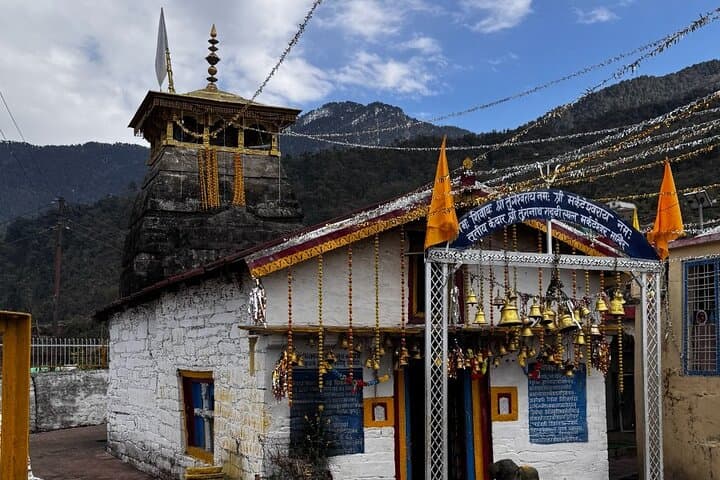
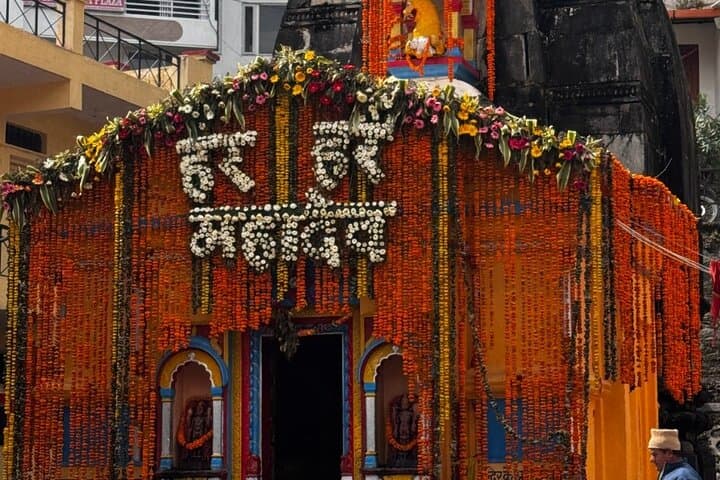
The Panch Kedar circuit links five ancient Shiva shrines—Kedarnath, Madhyamaheshwar, Tungnath, Rudranath and Kalpeshwar—each temple tied to local legend and the geography of the Garhwal Himalaya. Granite peaks here are young, uplifted by the collision of the Indian and Eurasian plates; glacial valleys and moraine-fed streams shape the route and the villages that sustain pilgrims.
Culturally, the yatra is equal parts trekking and devotion. Villages like Ransi and Gaundhar offer homestays and Garhwali hospitality; monastic dharamshalas and seasonal temple services punctuate the days. Expect thin air above 3,000 m, sudden weather shifts, and trails that alternate between packed rock, forest tracks and grassy bugyals.
Practically: train base fitness for long ascents and multiple consecutive trekking days, carry layers for freezing nights, and plan travel windows between late spring and early autumn when passes open. Hydrate, pre-acclimatize where possible, and hire certified guides—this route spans remoteness, sacred sites and terrain that rewards respect more than speed.
difficult.
12 days.
High—expect long days of hiking (up to 8–10 hours) with sustained elevation gain; prior multi-day trekking experience recommended
Late May–June and September–October are ideal: passes and trails are mostly open, weather is more stable, and bugyals (meadows) are accessible.
Certain segments require forest entry permits and temple permissions; organized tours typically handle permits and local fees for you.
It’s a sustained, high-altitude multi-day trek with several steep ascents above 3,000 m—good cardiovascular fitness and multi-day trekking experience are recommended.
Expect a mix: guesthouses, dharamshalas, seasonal camps and homestays—basic facilities at higher temples and more options in larger towns.
Panch Kedar temples are rooted in Shaiva legend; local lore says Shiva hid parts of his body across the Garhwal mountains, leading to five shrine sites venerating each part.
Trails and villages are sensitive to single-use waste and water strain; follow pack-in/pack-out practices, use local homestays to support sustainable livelihoods, and avoid open fires in alpine meadows.
Himalayan Dream Treks operates guided outdoor trips and adventures with an emphasis on safety, stewardship, and memorable experiences.

You step from the lowland heat into a wind that smells of pine, river stone and prayer smoke—Dehradun’s bustle fades as the road pinches between ridges and the Alaknanda threads silver below. Over twelve days the trail moves like a slow rite: Guptkashi’s temple bells, the steep pine corridors to Kedarnath, high alpine meadows at Lyuti and Chopta, and the exposed ridgelines up to Tungnath and Chandrashila.
You step from the lowland heat into a wind that smells of pine, river stone and prayer smoke—Dehradun’s bustle fades as the road pinches between ridges and the Alaknanda threads silver below. Over twelve days the trail moves like a slow rite: Guptkashi’s temple bells, the steep pine corridors to Kedarnath, high alpine meadows at Lyuti and Chopta, and the exposed ridgelines up to Tungnath and Chandrashila.
The Panch Kedar circuit links five ancient Shiva shrines—Kedarnath, Madhyamaheshwar, Tungnath, Rudranath and Kalpeshwar—each temple tied to local legend and the geography of the Garhwal Himalaya. Granite peaks here are young, uplifted by the collision of the Indian and Eurasian plates; glacial valleys and moraine-fed streams shape the route and the villages that sustain pilgrims.
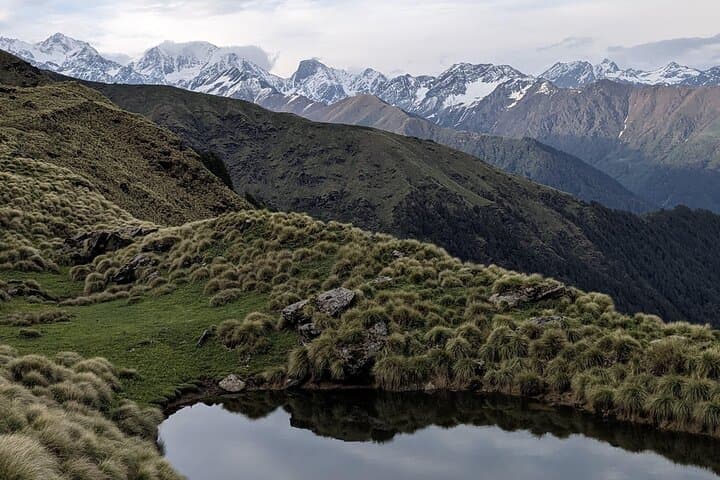
Culturally, the yatra is equal parts trekking and devotion. Villages like Ransi and Gaundhar offer homestays and Garhwali hospitality; monastic dharamshalas and seasonal temple services punctuate the days. Expect thin air above 3,000 m, sudden weather shifts, and trails that alternate between packed rock, forest tracks and grassy bugyals.
Practically: train base fitness for long ascents and multiple consecutive trekking days, carry layers for freezing nights, and plan travel windows between late spring and early autumn when passes open. Hydrate, pre-acclimatize where possible, and hire certified guides—this route spans remoteness, sacred sites and terrain that rewards respect more than speed.