THE ADVENTURE COLLECTIVE® · Independent discovery and booking for outdoor travel

Learn to breathe underwater and earn an SSI or PADI Open Water certification on Panay Island in three days. This course mixes classroom theory, confined-water skill sessions, and four open-water dives at local reefs.
Learn to breathe underwater and earn an SSI or PADI Open Water certification on Panay Island in three days. This course mixes classroom theory, confined-water skill sessions, and four open-water dives at local reefs.
On a humid morning along Panay's sheltered shore, the dive boat coils like a patient creature at the reef edge. Students clip on masks and exchange nervous laughter with instructors; the ocean breathes under a high blue sky and the first inhale underwater is a small ritual that changes the way you move through the world.
Verified experiences and guided adventures in the surrounding area.
Operated by DiveGurus Boracay Dive Center · Iloilo City, Iloilo
On a humid morning along Panay's sheltered shore, the dive boat coils like a patient creature at the reef edge. Students clip on masks and exchange nervous laughter with instructors; the ocean breathes under a high blue sky and the first inhale underwater is a small ritual that changes the way you move through the world.
Panay sits at the western rim of the Philippines' central island chain, where volcanic uplift and coral growth carved a coastline of bays, mangroves and scattered islets. The island's fishing villages still follow centuries-old rhythms; local dive sites often sit beside traditional pumpboats and small-scale marine farms. Geology here shifts from eroded limestone outcrops to fringing reefs that slope into deep blue.
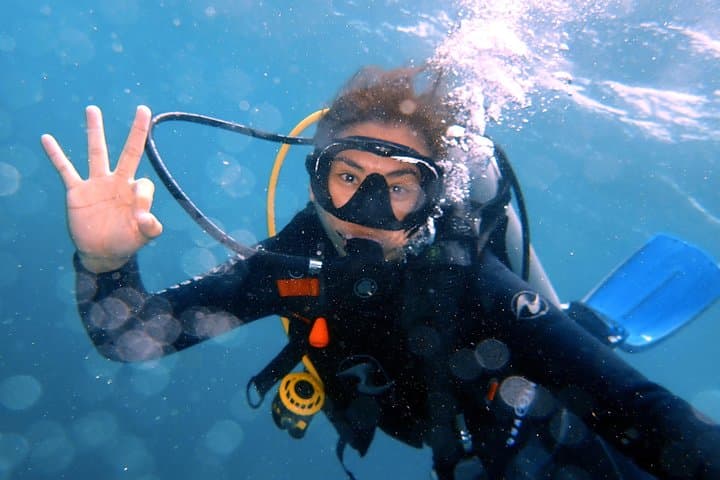
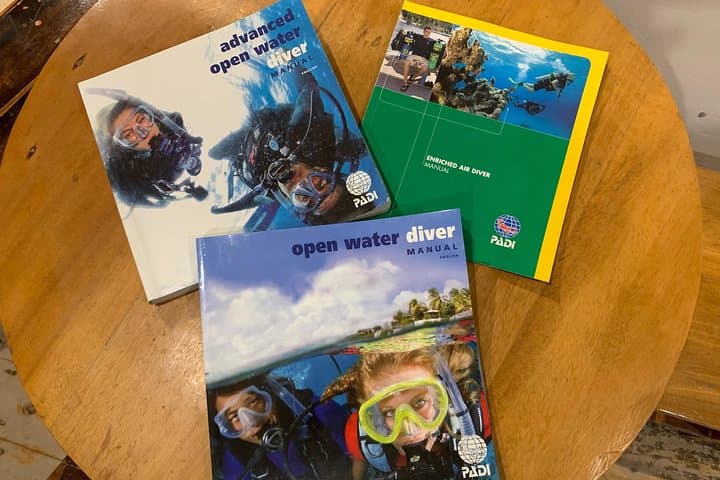
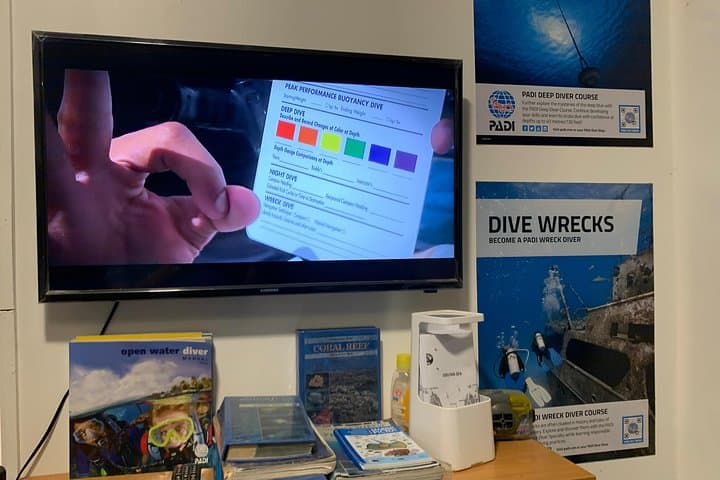
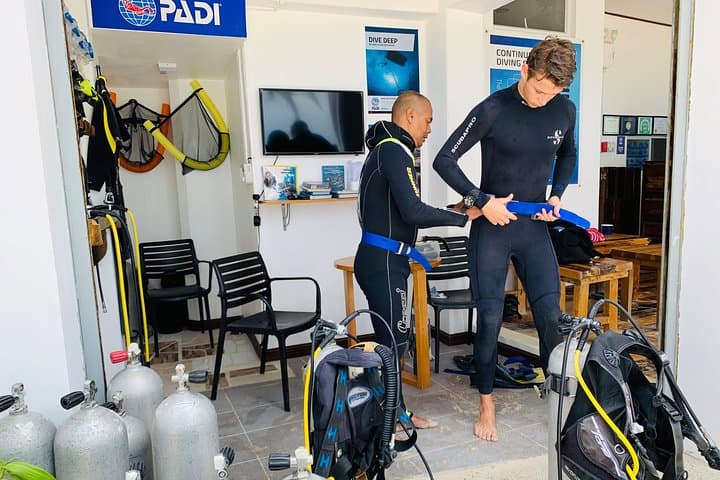
The SSI/PADI Open Water course breaks the mystery into three clear phases: classroom or e-learning for theory, confined-water sessions to build basic skills, and four supervised open-water dives to apply them. Expect shallow-skill drills, guided descents and slow, repeated practice of buoyancy and emergency protocols.
Practical guidance: schedule lessons early in the day for calmer seas and better light, bring a reusable water bottle and reef-safe sunscreen, and wear sturdy sandals for rocky ramps. You don't need advanced fitness, but you should be comfortable swimming and able to lift basic equipment.
By the third day most students surface with steady buoyancy and a new horizon: a lifetime of dive sites recognizable by sound, light and the company of turtles and branching corals. Keep contact minimal—good diving starts with respect for the reef and steady technique.
moderate.
2–3 days.
Suitable for most active adults who can swim and walk on uneven surfaces; mild stamina for 2–4 hour dive days.
The course is designed to be completed in about 2–3 days: e-learning or classroom work plus confined-water skills and four open-water dives.
No prior scuba experience is required, but you should be comfortable in the water and able to swim short distances.
Certain conditions—respiratory, heart, recent surgery or pregnancy—may disqualify you; disclose health information and consult a physician if unsure.
Expect fringing reefs with reef fish, hard and soft corals, and common sightings of green sea turtles and small macro life like nudibranchs.
Panay’s coastal communities were long trading hubs during Spanish colonial times; local fishing techniques and boat designs reflect a blend of Austronesian and colonial influences.
Many local dive operators support nearby marine protected areas and reef nurseries—practice buoyancy control and never collect marine life to reduce impact.
DiveGurus Boracay Dive Center operates guided outdoor trips and adventures with an emphasis on safety, stewardship, and memorable experiences.
On a humid morning along Panay's sheltered shore, the dive boat coils like a patient creature at the reef edge. Students clip on masks and exchange nervous laughter with instructors; the ocean breathes under a high blue sky and the first inhale underwater is a small ritual that changes the way you move through the world.
On a humid morning along Panay's sheltered shore, the dive boat coils like a patient creature at the reef edge. Students clip on masks and exchange nervous laughter with instructors; the ocean breathes under a high blue sky and the first inhale underwater is a small ritual that changes the way you move through the world.
Panay sits at the western rim of the Philippines' central island chain, where volcanic uplift and coral growth carved a coastline of bays, mangroves and scattered islets. The island's fishing villages still follow centuries-old rhythms; local dive sites often sit beside traditional pumpboats and small-scale marine farms. Geology here shifts from eroded limestone outcrops to fringing reefs that slope into deep blue.
The SSI/PADI Open Water course breaks the mystery into three clear phases: classroom or e-learning for theory, confined-water sessions to build basic skills, and four supervised open-water dives to apply them. Expect shallow-skill drills, guided descents and slow, repeated practice of buoyancy and emergency protocols.
Practical guidance: schedule lessons early in the day for calmer seas and better light, bring a reusable water bottle and reef-safe sunscreen, and wear sturdy sandals for rocky ramps. You don't need advanced fitness, but you should be comfortable swimming and able to lift basic equipment.
By the third day most students surface with steady buoyancy and a new horizon: a lifetime of dive sites recognizable by sound, light and the company of turtles and branching corals. Keep contact minimal—good diving starts with respect for the reef and steady technique.