THE ADVENTURE COLLECTIVE® · Independent discovery and booking for outdoor travel

Walk from the windswept ruins of Panama Viejo to the narrow, storied lanes of Casco Viejo on a 4–5 hour guided tour that traces Panama’s colonial rise, pirate attacks and rebirth. Ideal for history lovers who want a grounded, on-foot orientation to the city’s past and present.
Walk from the windswept ruins of Panama Viejo to the narrow, storied lanes of Casco Viejo on a 4–5 hour guided tour that traces Panama’s colonial rise, pirate attacks and rebirth. Ideal for history lovers who want a grounded, on-foot orientation to the city’s past and present.
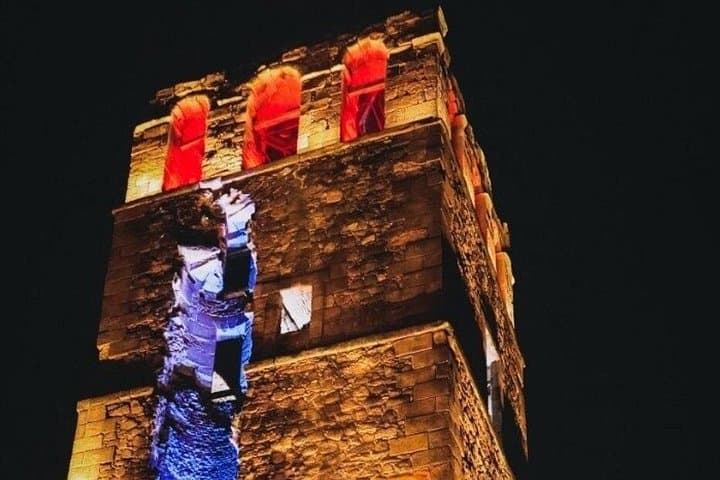
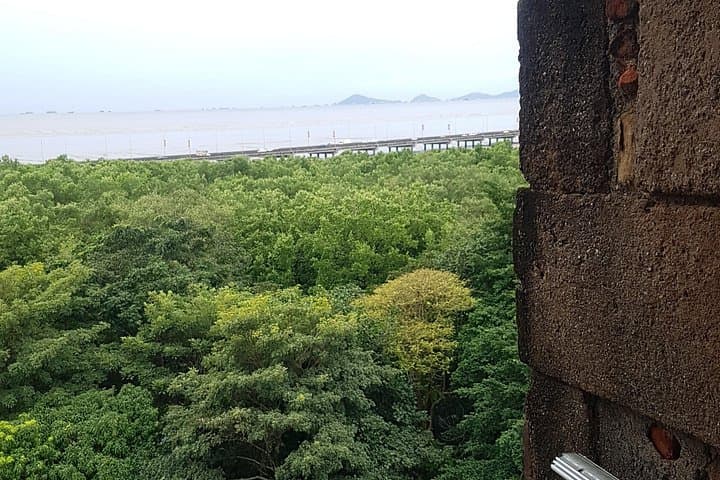
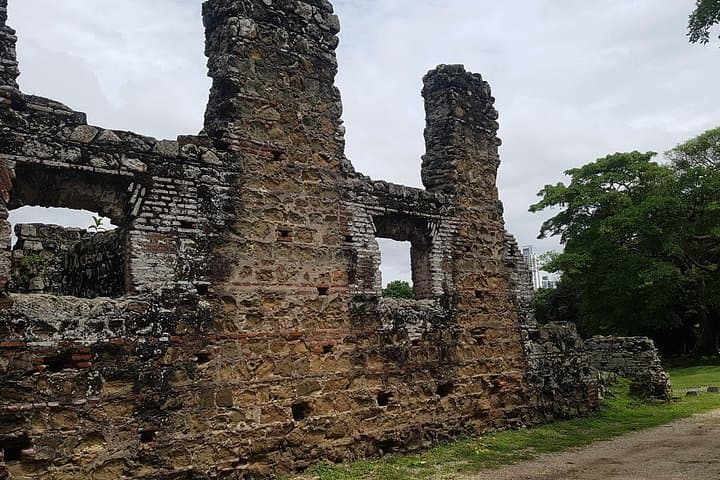
A morning breeze off the bay pulls at your shirt as you step from an air-conditioned van onto Avenida Balboa's reclaimed shoreline. The city's glass towers glint across the water, then dissolve into the stubbled stone of Panama Viejo where columns and church ruins stand like open palms pointing to a violent past.
Verified experiences and guided adventures in the surrounding area.
Operated by Island Journeys · Panama City, Panama Province
A morning breeze off the bay pulls at your shirt as you step from an air-conditioned van onto Avenida Balboa's reclaimed shoreline. The city's glass towers glint across the water, then dissolve into the stubbled stone of Panama Viejo where columns and church ruins stand like open palms pointing to a violent past.
Founded in 1519, Panama Viejo was the first European foothold on the Pacific coast of the Americas; its streets once funneled Spanish treasure to waiting galleons and the corsairs who hunted them. After Henry Morgan's 1671 sack, the city moved west and rose again as Casco Viejo in 1673 — a compact, walled district of plazas, churches and layered architecture where colonial, neoclassical and republican facades press close.
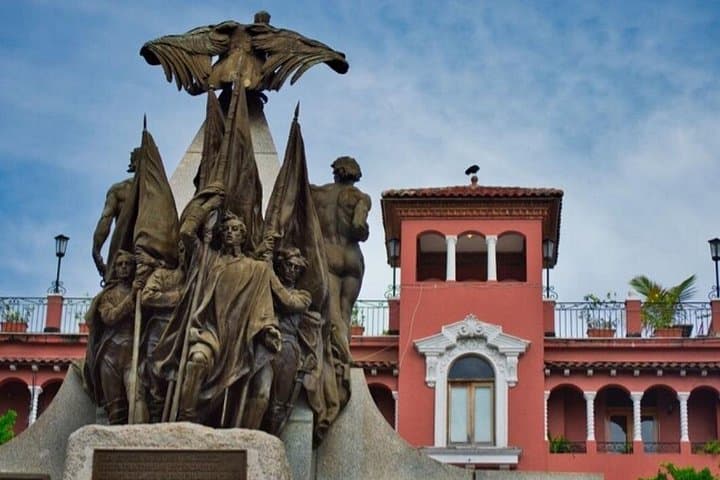
Geology and hydrology play quiet roles here: land reclaimed from the bay shapes Balboa Avenue, while the isthmus' narrow spine made Panama the world's bridge of trade and conquest. Today a bilingual, certified guide threads history with local culture, stopping at the Panama Viejo museum, the French memorial viewpoint, and the narrow alleys of Casco Viejo where artisans and cafés occupy restored buildings.
Practicalities: the full tour runs about 4–5 hours with periods of walking on uneven cobbles and short stair sections. Bring sun protection, sturdy shoes, and a refillable bottle; expect humid heat and sudden tropical showers in the wet season. Start early for softer light and fewer crowds — you’ll leave with a clearer sense of why this city both divided continents and connected the world.
moderate.
4–5 hours.
Moderate fitness—walks include uneven cobblestones, short stair sections and up to a few miles on foot.
Yes—admission to Panama Viejo and its museum is included as part of the tour.
Expect 4–5 hours with several stops; terrain includes cobblestones and stairs so it's best for those with moderate mobility—not fully wheelchair accessible.
The tour includes a professional certified bilingual guide, typically offering commentary in Spanish and English.
Yes—the tour uses an air-conditioned vehicle for transfers between Panama Viejo and Casco Viejo, plus short walking segments.
Panama Viejo (founded 1519) was the first European city on the Pacific; after its 1671 sacking the settlement moved and became Casco Viejo in 1673.
Panama Viejo is a UNESCO site with ongoing preservation efforts; visitors are asked to stay on paths, avoid climbing ruins and support local conservation through guided fees and responsible tourism.
Island Journeys operates guided outdoor trips and adventures with an emphasis on safety, stewardship, and memorable experiences.
A morning breeze off the bay pulls at your shirt as you step from an air-conditioned van onto Avenida Balboa's reclaimed shoreline. The city's glass towers glint across the water, then dissolve into the stubbled stone of Panama Viejo where columns and church ruins stand like open palms pointing to a violent past.
A morning breeze off the bay pulls at your shirt as you step from an air-conditioned van onto Avenida Balboa's reclaimed shoreline. The city's glass towers glint across the water, then dissolve into the stubbled stone of Panama Viejo where columns and church ruins stand like open palms pointing to a violent past.
Founded in 1519, Panama Viejo was the first European foothold on the Pacific coast of the Americas; its streets once funneled Spanish treasure to waiting galleons and the corsairs who hunted them. After Henry Morgan's 1671 sack, the city moved west and rose again as Casco Viejo in 1673 — a compact, walled district of plazas, churches and layered architecture where colonial, neoclassical and republican facades press close.
Geology and hydrology play quiet roles here: land reclaimed from the bay shapes Balboa Avenue, while the isthmus' narrow spine made Panama the world's bridge of trade and conquest. Today a bilingual, certified guide threads history with local culture, stopping at the Panama Viejo museum, the French memorial viewpoint, and the narrow alleys of Casco Viejo where artisans and cafés occupy restored buildings.
Practicalities: the full tour runs about 4–5 hours with periods of walking on uneven cobbles and short stair sections. Bring sun protection, sturdy shoes, and a refillable bottle; expect humid heat and sudden tropical showers in the wet season. Start early for softer light and fewer crowds — you’ll leave with a clearer sense of why this city both divided continents and connected the world.