THE ADVENTURE COLLECTIVE® · Independent discovery and booking for outdoor travel

Leave the city behind for a full-day jungle route that follows an old pipeline through rainforest to waterfalls and monkey viewing spots. Expect muddy trails, steep segments, and rich wildlife—ideal for fit hikers who want a hands-on Panama Canal hinterland experience.
Leave the city behind for a full-day jungle route that follows an old pipeline through rainforest to waterfalls and monkey viewing spots. Expect muddy trails, steep segments, and rich wildlife—ideal for fit hikers who want a hands-on Panama Canal hinterland experience.
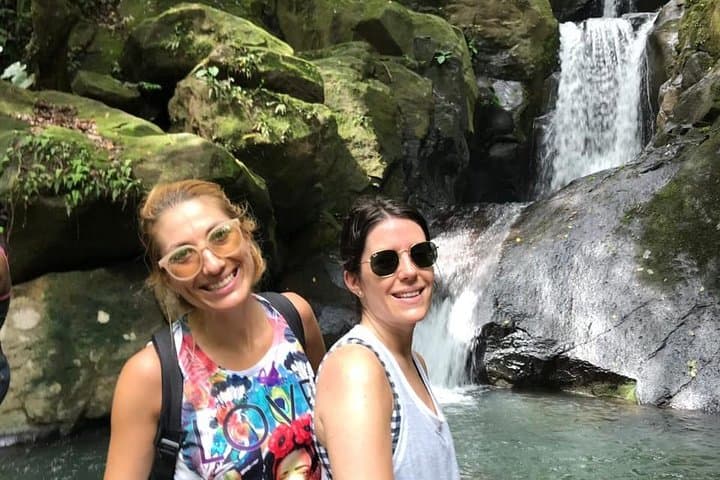
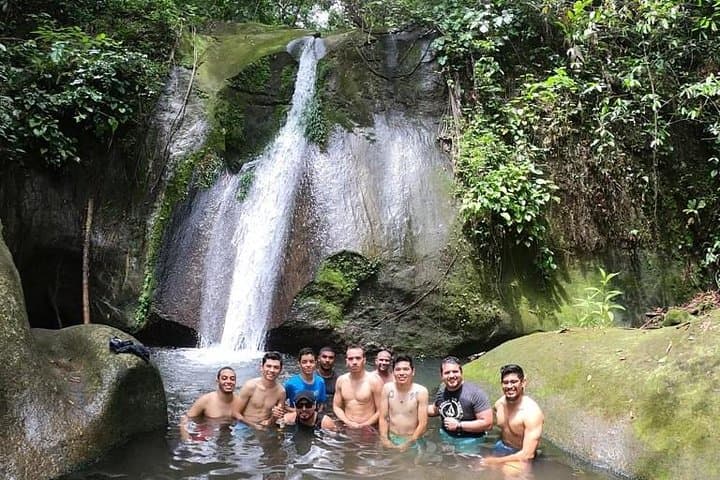
A humid breath of rainforest meets the road as an air-conditioned van leaves Panama City and the urban skyline dissolves into green. The trail begins where an old US pipeline once cut a straight line through primary forest—today it guides walkers past dripping ferns, across ribs of exposed rock, and to small, thunderous falls that gather the mountain's runoff.
Verified experiences and guided adventures in the surrounding area.
Operated by LIVE FOLKS · La Chorrera, Panamá Oeste
A humid breath of rainforest meets the road as an air-conditioned van leaves Panama City and the urban skyline dissolves into green. The trail begins where an old US pipeline once cut a straight line through primary forest—today it guides walkers past dripping ferns, across ribs of exposed rock, and to small, thunderous falls that gather the mountain's runoff.
This corridor sits within the ecological footprint of the Panama Canal region, an area shaped by tectonics and man-made waterways. The pipeline road and nearby ridge trails reveal layered geology: ancient volcanic sediments overlain by alluvial soils that feed abundant birdlife and orchids. Culturally, the route threads local farming communities with a national history tied to canal construction and U.S. presence in the early 20th century.
Expect close wildlife encounters: troops of capuchin and howler monkeys are common, iguanas bask on sunlit trunks, and a riot of canopy birds calls from above. Guides point out where the forest keeps its secrets and where viewpoints open to low mountains and distant canal cuts.
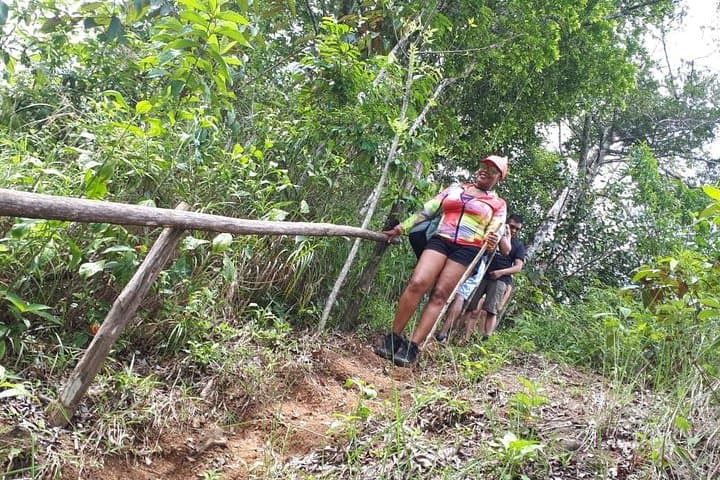
Practically, this is a full-day outing—rough, often muddy trails with short steep sections and stream crossings. Bring sturdy waterproof hiking shoes, at least 2–3 liters of water, a quick-dry layer, and insect repellent. Start early to avoid the hottest, wettest part of the day and to catch peak bird and primate activity. The tour is best for fit hikers comfortable with uneven terrain; stay on trail, pack out waste, and give animals space for safe, responsible viewing.
challenging.
8 hours.
High level of cardiovascular fitness and comfort on uneven, steep, and muddy terrain
The tour runs about 8 hours and is considered challenging—expect several hours of hiking on uneven, muddy trails with short steep sections.
Yes—capuchin and howler monkeys, iguanas, and a variety of birds are commonly seen, though sightings cannot be guaranteed.
Not recommended for pregnant travelers; children may participate if they are fit and accompanied by adults, but the operator advises a high fitness level.
Bring sturdy shoes, rain protection, 2–3 liters of water, insect repellent, sun protection, and a small daypack for personal items.
The trail follows a former US pipeline corridor tied to early 20th-century infrastructure projects and sits within forestlands influenced by Panama Canal-era development.
Trails run through sensitive forest fragments—stay on paths, avoid feeding wildlife, and carry out all trash to reduce human impact.
LIVE FOLKS operates guided outdoor trips and adventures with an emphasis on safety, stewardship, and memorable experiences.
A humid breath of rainforest meets the road as an air-conditioned van leaves Panama City and the urban skyline dissolves into green. The trail begins where an old US pipeline once cut a straight line through primary forest—today it guides walkers past dripping ferns, across ribs of exposed rock, and to small, thunderous falls that gather the mountain's runoff.
A humid breath of rainforest meets the road as an air-conditioned van leaves Panama City and the urban skyline dissolves into green. The trail begins where an old US pipeline once cut a straight line through primary forest—today it guides walkers past dripping ferns, across ribs of exposed rock, and to small, thunderous falls that gather the mountain's runoff.
This corridor sits within the ecological footprint of the Panama Canal region, an area shaped by tectonics and man-made waterways. The pipeline road and nearby ridge trails reveal layered geology: ancient volcanic sediments overlain by alluvial soils that feed abundant birdlife and orchids. Culturally, the route threads local farming communities with a national history tied to canal construction and U.S. presence in the early 20th century.
Expect close wildlife encounters: troops of capuchin and howler monkeys are common, iguanas bask on sunlit trunks, and a riot of canopy birds calls from above. Guides point out where the forest keeps its secrets and where viewpoints open to low mountains and distant canal cuts.
Practically, this is a full-day outing—rough, often muddy trails with short steep sections and stream crossings. Bring sturdy waterproof hiking shoes, at least 2–3 liters of water, a quick-dry layer, and insect repellent. Start early to avoid the hottest, wettest part of the day and to catch peak bird and primate activity. The tour is best for fit hikers comfortable with uneven terrain; stay on trail, pack out waste, and give animals space for safe, responsible viewing.