THE ADVENTURE COLLECTIVE® · Independent discovery and booking for outdoor travel

Explore colonial Casco Viejo, bike or stroll the Amador Causeway and watch ships move through the Panama Canal locks on a private half-day tour. Expect short walks, big views and guided historical context.
Explore colonial Casco Viejo, bike or stroll the Amador Causeway and watch ships move through the Panama Canal locks on a private half-day tour. Expect short walks, big views and guided historical context.
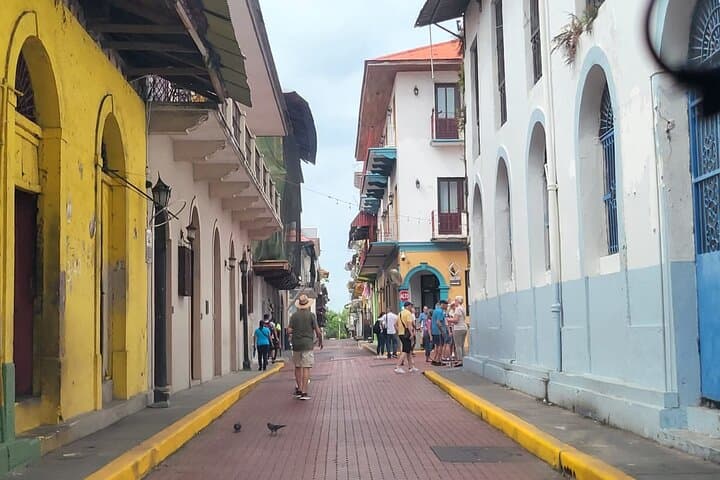
Morning light hits the coral façades of Casco Viejo and the city hums awake — vendors arranging fruit, church bells tracking time, and a guide pointing out wrought-iron balconies that survived eras of trade and conflict.
Verified experiences and guided adventures in the surrounding area.
Operated by Horacio · Panama City, Panamá Province
Morning light hits the coral façades of Casco Viejo and the city hums awake — vendors arranging fruit, church bells tracking time, and a guide pointing out wrought-iron balconies that survived eras of trade and conflict.
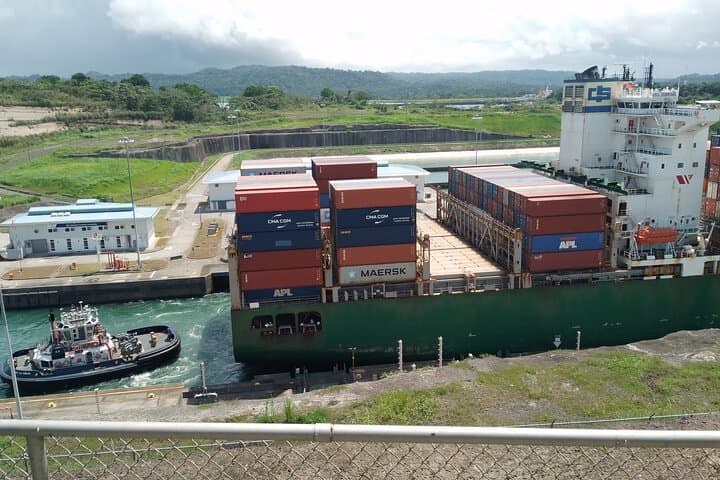
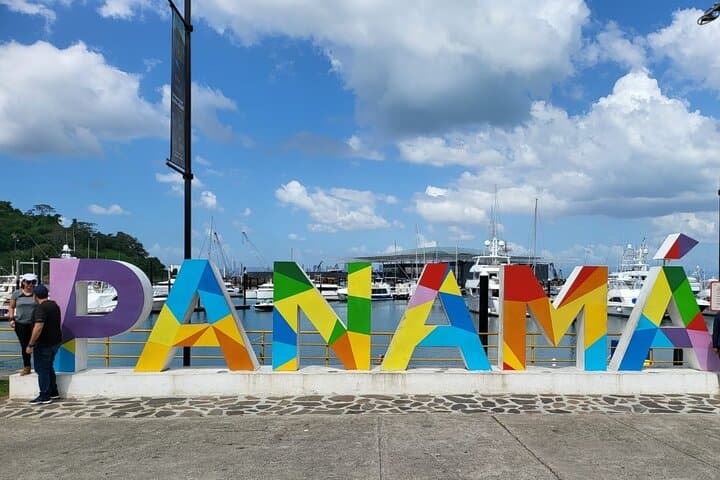
Visitors begin with the narrow streets of Casco Viejo, where French and Spanish architectural threads meet in stone and plaster. From there the route moves to the Amador Causeway: a man-made spine that pushes into the Pacific, giving clear sightlines to the skyline and the ocean’s restless edge. The tour finishes at the Panama Canal locks, where concrete and hydrology choreograph enormous cargo ships through a series of controlled lifts — a living engineering page that began in the 19th century and shaped global trade.
Geologically, Panama sits on a volcanic isthmus carved by tectonic uplift and ocean currents; culturally, the city is a crossroads of Afro-Caribbean, Indigenous, Spanish and global maritime influences. Expect a mix of short walks, viewpoints and time at an observation platform watching lock operations up close.
Practical guidance: bring sturdy walking shoes for cobbled streets and causeway paths, sun protection and a light rain layer (tropical showers are common). The canal visit includes lock views — arrive with patience during peak ship transits to catch the spectacle. Guides provide local context; private transport means easy transitions between sites.
Timing: plan five to six hours. Hydrate, carry small cash for cafes and tipping, and keep a camera ready — the contrasts between old town, ocean, and industrial scale are immediate and unforgettable.
easy.
5–6 hours.
Suitable for most fitness levels; requires walking on uneven surfaces and standing at viewpoints for 15–30 minute stretches
Yes — the itinerary includes time at canal observation points; specific museum or lock admission may be included depending on operator details, so confirm when booking.
Yes — the tour is stroller-accessible and suitable for families; infants may be required to sit on an adult’s lap during transit.
Expect intermittent walking and standing: short guided walks in Casco Viejo and along the Causeway, with vehicle transfers between sites to limit total exertion.
As a private tour, guides can often adjust timing to improve chances of seeing a scheduled ship transit, though exact ship arrival times can vary.
Casco Viejo dates to the late 17th century after the old city was relocated; the Panama Canal project began under French direction in the 1880s and was completed by the United States in 1914, reshaping global shipping routes.
The canal’s watershed is actively managed to balance water supply and ecology; visitors should stay on paths, avoid littering and respect wildlife to limit local impact.
Horacio operates guided outdoor trips and adventures with an emphasis on safety, stewardship, and memorable experiences.
Morning light hits the coral façades of Casco Viejo and the city hums awake — vendors arranging fruit, church bells tracking time, and a guide pointing out wrought-iron balconies that survived eras of trade and conflict.
Morning light hits the coral façades of Casco Viejo and the city hums awake — vendors arranging fruit, church bells tracking time, and a guide pointing out wrought-iron balconies that survived eras of trade and conflict.
Visitors begin with the narrow streets of Casco Viejo, where French and Spanish architectural threads meet in stone and plaster. From there the route moves to the Amador Causeway: a man-made spine that pushes into the Pacific, giving clear sightlines to the skyline and the ocean’s restless edge. The tour finishes at the Panama Canal locks, where concrete and hydrology choreograph enormous cargo ships through a series of controlled lifts — a living engineering page that began in the 19th century and shaped global trade.
Geologically, Panama sits on a volcanic isthmus carved by tectonic uplift and ocean currents; culturally, the city is a crossroads of Afro-Caribbean, Indigenous, Spanish and global maritime influences. Expect a mix of short walks, viewpoints and time at an observation platform watching lock operations up close.
Practical guidance: bring sturdy walking shoes for cobbled streets and causeway paths, sun protection and a light rain layer (tropical showers are common). The canal visit includes lock views — arrive with patience during peak ship transits to catch the spectacle. Guides provide local context; private transport means easy transitions between sites.
Timing: plan five to six hours. Hydrate, carry small cash for cafes and tipping, and keep a camera ready — the contrasts between old town, ocean, and industrial scale are immediate and unforgettable.