THE ADVENTURE COLLECTIVE® · Independent discovery and booking for outdoor travel

See ships rise at Miraflores Locks, wander Frank Gehry’s Biomuseo on the Amador Causeway and sip a local drink in Casco Antiguo. This one‑night transfer + city tour packs Panama’s engineering, ecology and history into a practical overnight visit.
See ships rise at Miraflores Locks, wander Frank Gehry’s Biomuseo on the Amador Causeway and sip a local drink in Casco Antiguo. This one‑night transfer + city tour packs Panama’s engineering, ecology and history into a practical overnight visit.
You step out of an air‑conditioned transfer into humid, salt‑tinged air as the Panama City skyline slices the horizon — glass towers reflecting a shipping lane older than the city’s modern sprawl. The first stop, Miraflores Visitor Center, places you on terraces that watch hulking freighters climb and drop 16 meters; the canal’s locks move with machine‑room calm while interpretive exhibits explain a century of engineering and geopolitics.
Verified experiences and guided adventures in the surrounding area.
Operated by VOYaIR PTY · Panama City, Panama Province
You step out of an air‑conditioned transfer into humid, salt‑tinged air as the Panama City skyline slices the horizon — glass towers reflecting a shipping lane older than the city’s modern sprawl. The first stop, Miraflores Visitor Center, places you on terraces that watch hulking freighters climb and drop 16 meters; the canal’s locks move with machine‑room calm while interpretive exhibits explain a century of engineering and geopolitics.
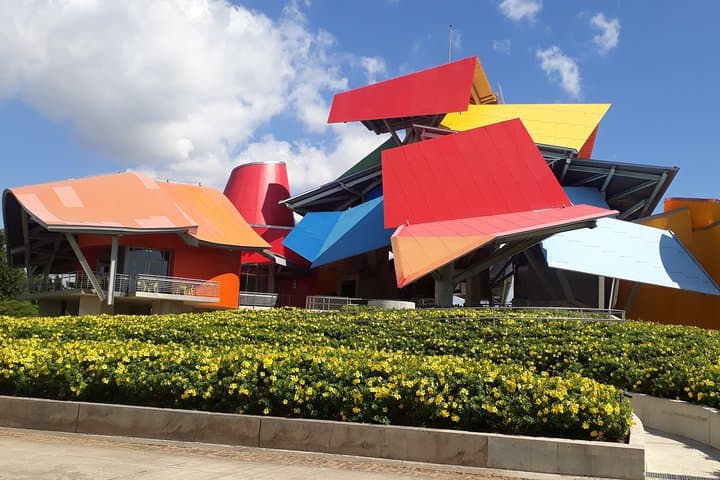
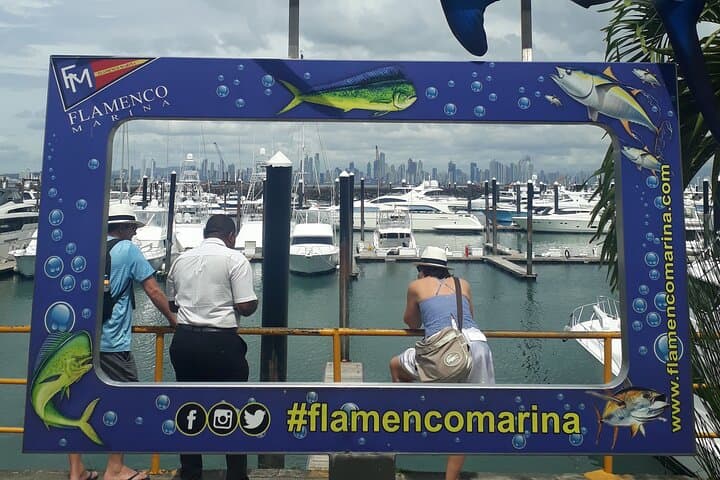
From the canal’s concrete rhythm the day bends toward the Amador Causeway: reclaimed rock that became a promenade, framing the city and pointing to Frank Gehry’s Biomuseo — a bright, angular primer on the isthmus that reshaped global ecology when North and South America joined. Casco Antiguo follows, where colonial facades, plazas and rooftop bars tell the social story of trade, independence and recent restoration.
Geology here is recent and consequential — the rise of the isthmus two million years ago redirected ocean currents and life, and culture has since layered ports, plantations and banking on top. Local vendors at the seafood market sell ceviche that tastes of the Pacific; watch for street art that maps political change.
Practical guidance: plan Miraflores in the morning for ship traffic, take comfortable shoes for cobbled streets, and expect sun and sudden rain — a light rain shell and reusable water bottle are smart. Allow time for traffic when transferring to airport or port; private transport eases schedule pressure. This itinerary is easy on fitness but rich in sightlines and stories — a compact primer on Panama in 48 hours.
easy.
1–2 days.
Suitable for travelers of all fitness levels; expect moderate walking on cobbles and short stair sections
This tour includes Miraflores Locks visitor center entrance as listed; confirm at booking for package details.
Yes — the itinerary typically allows about 60–90 minutes to walk plazas, visit a café and view key landmarks.
The tour is rated easy, but Miraflores terraces and Casco Antiguo have steps and uneven surfaces; contact the operator to arrange accessibility accommodations.
The booking requests pickup/drop‑off details; provide flight or cruise information so transfers are timed to your arrival or departure.
The Panama Canal opened in 1914 after a U.S.‑led construction effort following earlier French attempts; its completion reshaped global trade and local geopolitics.
Visitor centers and Biomuseo emphasize the isthmus’ role in biodiversity; stick to marked paths, avoid single‑use plastics and respect protected shoreline areas.
VOYaIR PTY operates guided outdoor trips and adventures with an emphasis on safety, stewardship, and memorable experiences.
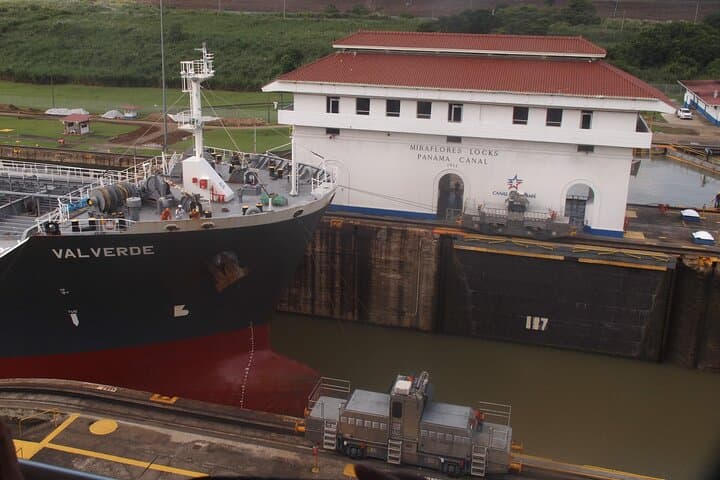
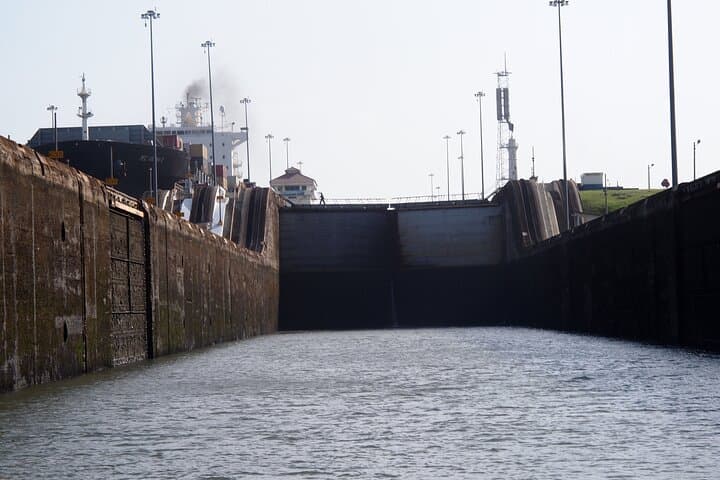
You step out of an air‑conditioned transfer into humid, salt‑tinged air as the Panama City skyline slices the horizon — glass towers reflecting a shipping lane older than the city’s modern sprawl. The first stop, Miraflores Visitor Center, places you on terraces that watch hulking freighters climb and drop 16 meters; the canal’s locks move with machine‑room calm while interpretive exhibits explain a century of engineering and geopolitics.
You step out of an air‑conditioned transfer into humid, salt‑tinged air as the Panama City skyline slices the horizon — glass towers reflecting a shipping lane older than the city’s modern sprawl. The first stop, Miraflores Visitor Center, places you on terraces that watch hulking freighters climb and drop 16 meters; the canal’s locks move with machine‑room calm while interpretive exhibits explain a century of engineering and geopolitics.
From the canal’s concrete rhythm the day bends toward the Amador Causeway: reclaimed rock that became a promenade, framing the city and pointing to Frank Gehry’s Biomuseo — a bright, angular primer on the isthmus that reshaped global ecology when North and South America joined. Casco Antiguo follows, where colonial facades, plazas and rooftop bars tell the social story of trade, independence and recent restoration.
Geology here is recent and consequential — the rise of the isthmus two million years ago redirected ocean currents and life, and culture has since layered ports, plantations and banking on top. Local vendors at the seafood market sell ceviche that tastes of the Pacific; watch for street art that maps political change.
Practical guidance: plan Miraflores in the morning for ship traffic, take comfortable shoes for cobbled streets, and expect sun and sudden rain — a light rain shell and reusable water bottle are smart. Allow time for traffic when transferring to airport or port; private transport eases schedule pressure. This itinerary is easy on fitness but rich in sightlines and stories — a compact primer on Panama in 48 hours.