THE ADVENTURE COLLECTIVE® · Independent discovery and booking for outdoor travel

In one compact day you can hike an urban rainforest, explore Frank Gehry’s Biomuseo, and touch marine life at the Smithsonian’s Punta Culebra. This BioTour is a quick, wildlife-focused primer on Panama’s natural and cultural history that’s easy to fit into any Panama City itinerary.
In one compact day you can hike an urban rainforest, explore Frank Gehry’s Biomuseo, and touch marine life at the Smithsonian’s Punta Culebra. This BioTour is a quick, wildlife-focused primer on Panama’s natural and cultural history that’s easy to fit into any Panama City itinerary.
You step out of your hotel into a city that refuses to separate concrete from canopy. The air is warm and humid; somewhere above the bustle of Avenida Balboa a toucan cries and the rainforest seems to lean inward, as if to remind Panama City there is still wildness within arm’s reach.
Verified experiences and guided adventures in the surrounding area.
Operated by Beautiful Tours Panama · Panama City, Panama Province
You step out of your hotel into a city that refuses to separate concrete from canopy. The air is warm and humid; somewhere above the bustle of Avenida Balboa a toucan cries and the rainforest seems to lean inward, as if to remind Panama City there is still wildness within arm’s reach.
This full-day BioTour threads three distinct experiences into a single, manageable loop: a 90-minute hike through the Metropolitan Natural Park—an island of tropical forest perched on a ridge in the city—followed by a two-hour visit to the Frank Gehry-designed Biomuseo, and a closing hour at the Smithsonian’s Punta Culebra Nature Center on the Amador Causeway. The rhythm of the day moves from green, bird-dotted understory to bold, coastal architecture to hands-on marine exhibits, offering a compact primer on Panama’s extraordinary biodiversity and cultural history.
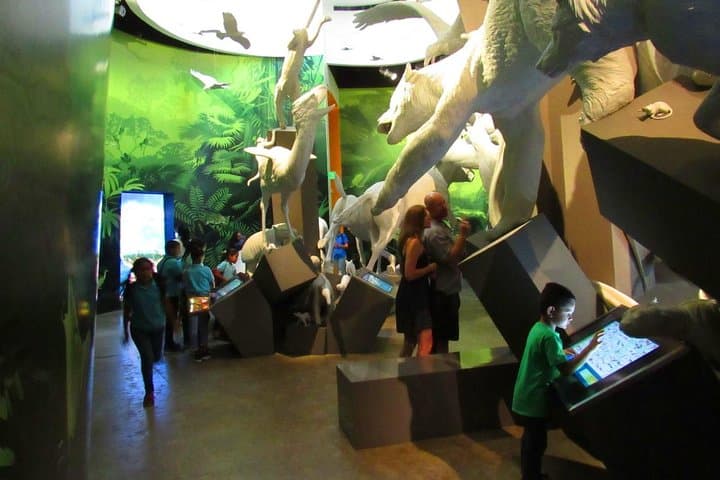
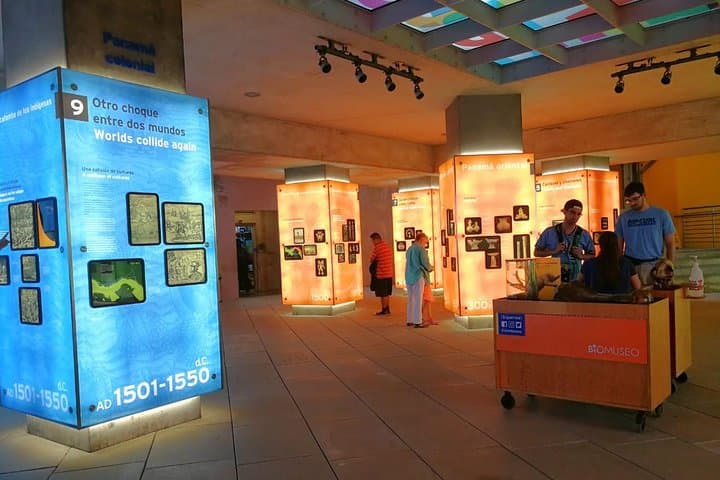
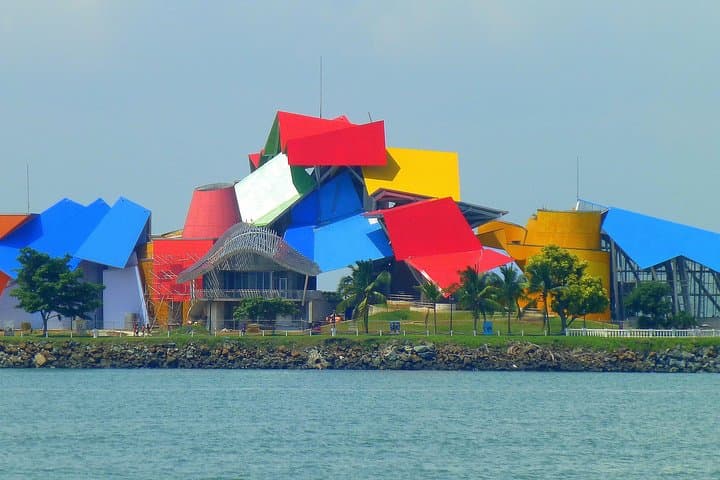
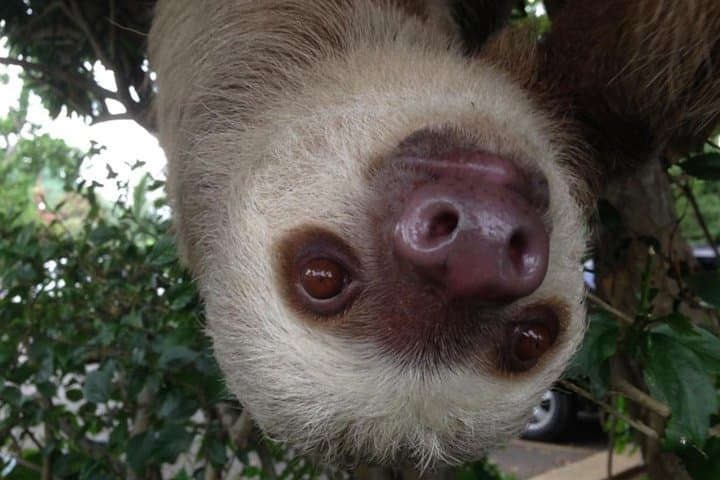
Geologically, Panama is young—its isthmus rose in the Pliocene, stitching North and South America together and altering ocean currents and climate. The Biomuseo explains this in bright, accessible displays; Gehry’s color-splashed forms echo the tropical palette of coral, leaf and insect. Culturally, the tour intersects the story of the Panama Canal and a nation shaped by trade and migration. Local guides weave these threads, connecting species you’ll see—sloths inching through branches, agoutis slipping under leaf litter, or the long-billed toucan flashing across the canopy—to broader conservation efforts in the city.
Practical notes: the hike is short but uneven—expect roots, steep steps and slick soil after rain. Guides split the day with transport between sites in air-conditioned vans, and pickup from most Panama City hotels is included. Plan for roughly 5–6 hours on the road, with a lunch stop at a nearby café on the Amador Causeway (meals are not included).
Bring insect repellent and a light rain layer; showers are common even in the dry season. Binoculars make wildlife sightings remarkably richer, and a small daypack with water, sunscreen and spare batteries keeps you mobile. Mornings deliver the best wildlife activity and softer light for photography, while the Biomuseo is strongest midday when exhibits are less shadowed.
For travelers short on time, this tour is a concentrated way to meet Panama’s wild side without leaving the city. It’s an easy, enlightening mix of trail, museum and shore that makes the biological story of the continents feel immediate—and gives you a series of moments, from canopy hush to Gehry’s dramatic sails, that linger long after you return to the skyline.
easy.
5–6 hours.
Light walking ability; suitable for most fitness levels but expect uneven trail sections and some stairs.
The tour runs about 5–6 hours and includes a rainforest hike at Metropolitan Natural Park, a visit to the Biomuseo, and time at Punta Culebra Nature Center.
Yes—pickup from most hotels in Panama City’s metropolitan area is included; confirm your exact pickup point at booking.
Lunch is not included; the tour stops for a meal on the Amador Causeway where you can pay for your own food.
The hike is considered easy but uneven; infants can use strollers for short flat sections, though the trail has roots and steps—bring a carrier for young children.
Common sightings include toucans, coatis, agoutis, and occasionally sloths; binoculars improve your chances of spotting canopy species.
Full refund is available if you cancel at least 24 hours before the scheduled departure time; within 24 hours bookings are non-refundable.
Panama’s isthmus closed around 3 million years ago, linking continents and triggering ecological exchange; the Biomuseo interprets that pivotal geological story.
Metropolitan Natural Park and Punta Culebra focus on urban conservation and education; follow trail rules, avoid feeding wildlife, and use reef-safe sunscreen at marine exhibits.
Beautiful Tours Panama operates guided outdoor trips and adventures with an emphasis on safety, stewardship, and memorable experiences.
You step out of your hotel into a city that refuses to separate concrete from canopy. The air is warm and humid; somewhere above the bustle of Avenida Balboa a toucan cries and the rainforest seems to lean inward, as if to remind Panama City there is still wildness within arm’s reach.
You step out of your hotel into a city that refuses to separate concrete from canopy. The air is warm and humid; somewhere above the bustle of Avenida Balboa a toucan cries and the rainforest seems to lean inward, as if to remind Panama City there is still wildness within arm’s reach.
This full-day BioTour threads three distinct experiences into a single, manageable loop: a 90-minute hike through the Metropolitan Natural Park—an island of tropical forest perched on a ridge in the city—followed by a two-hour visit to the Frank Gehry-designed Biomuseo, and a closing hour at the Smithsonian’s Punta Culebra Nature Center on the Amador Causeway. The rhythm of the day moves from green, bird-dotted understory to bold, coastal architecture to hands-on marine exhibits, offering a compact primer on Panama’s extraordinary biodiversity and cultural history.
Geologically, Panama is young—its isthmus rose in the Pliocene, stitching North and South America together and altering ocean currents and climate. The Biomuseo explains this in bright, accessible displays; Gehry’s color-splashed forms echo the tropical palette of coral, leaf and insect. Culturally, the tour intersects the story of the Panama Canal and a nation shaped by trade and migration. Local guides weave these threads, connecting species you’ll see—sloths inching through branches, agoutis slipping under leaf litter, or the long-billed toucan flashing across the canopy—to broader conservation efforts in the city.
Practical notes: the hike is short but uneven—expect roots, steep steps and slick soil after rain. Guides split the day with transport between sites in air-conditioned vans, and pickup from most Panama City hotels is included. Plan for roughly 5–6 hours on the road, with a lunch stop at a nearby café on the Amador Causeway (meals are not included).
Bring insect repellent and a light rain layer; showers are common even in the dry season. Binoculars make wildlife sightings remarkably richer, and a small daypack with water, sunscreen and spare batteries keeps you mobile. Mornings deliver the best wildlife activity and softer light for photography, while the Biomuseo is strongest midday when exhibits are less shadowed.
For travelers short on time, this tour is a concentrated way to meet Panama’s wild side without leaving the city. It’s an easy, enlightening mix of trail, museum and shore that makes the biological story of the continents feel immediate—and gives you a series of moments, from canopy hush to Gehry’s dramatic sails, that linger long after you return to the skyline.