THE ADVENTURE COLLECTIVE® · Independent discovery and booking for outdoor travel

Three days of pool practice, shore dives and boat sessions teach new divers to safely reach 60 feet off Panama City Beach. This certification is recognized worldwide and mixes classroom theory with hands‑on training in variable Gulf conditions.
Three days of pool practice, shore dives and boat sessions teach new divers to safely reach 60 feet off Panama City Beach. This certification is recognized worldwide and mixes classroom theory with hands‑on training in variable Gulf conditions.
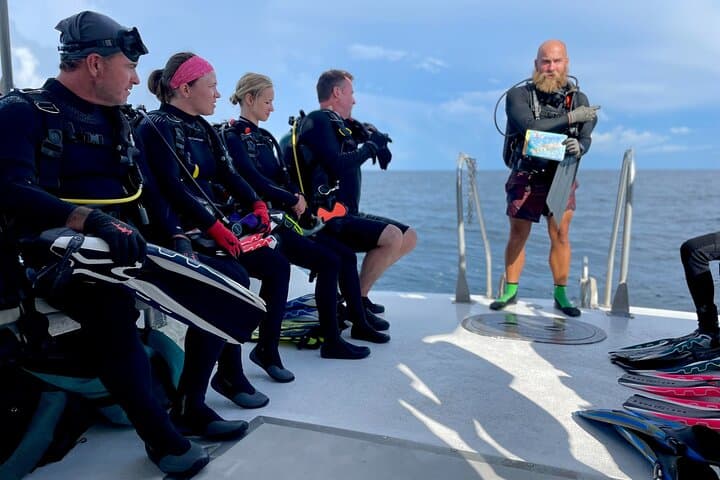
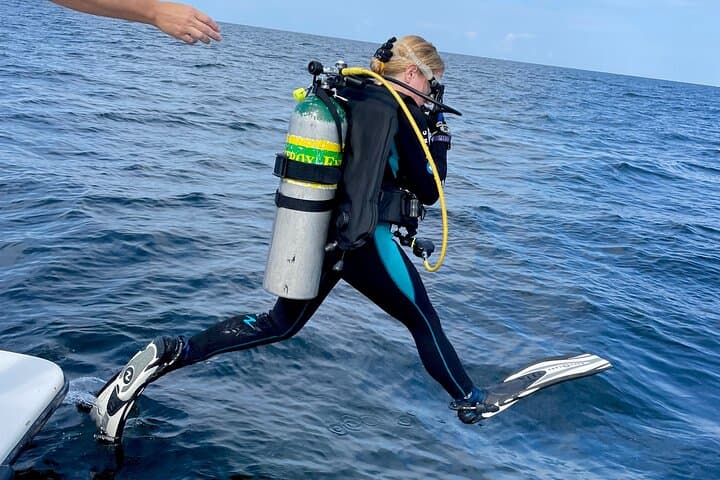
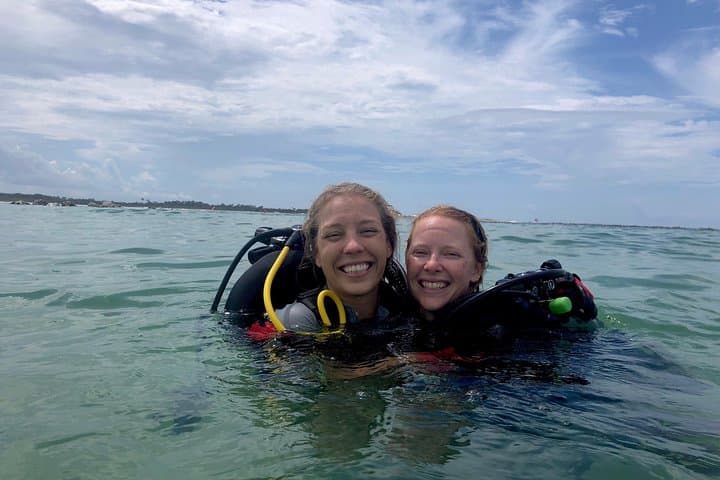
The Gulf sprawls out, a hard horizon of green water that dares you to go beneath its surface. At the dive shop in Panama City Beach you assemble gear, listen to briefings and practice buoyancy in a warm training pool before heading to shore and then a boat for open-water sessions.
Verified experiences and guided adventures in the surrounding area.
Operated by Panama City Diving · Panama City Beach, Florida
The Gulf sprawls out, a hard horizon of green water that dares you to go beneath its surface. At the dive shop in Panama City Beach you assemble gear, listen to briefings and practice buoyancy in a warm training pool before heading to shore and then a boat for open-water sessions.
This is entry‑level certification designed to get you diving safely to 60 feet with a buddy. The region’s shallow sandbars, seagrass flats and nearshore wrecks reflect a coastline shaped by Pleistocene shoals and modern storms; visibility and current change with tide and weather. The town’s fishing and tourism history is evident in local marinas and bait shops, while Indigenous and coastal fishing traditions quietly persist in local culture.
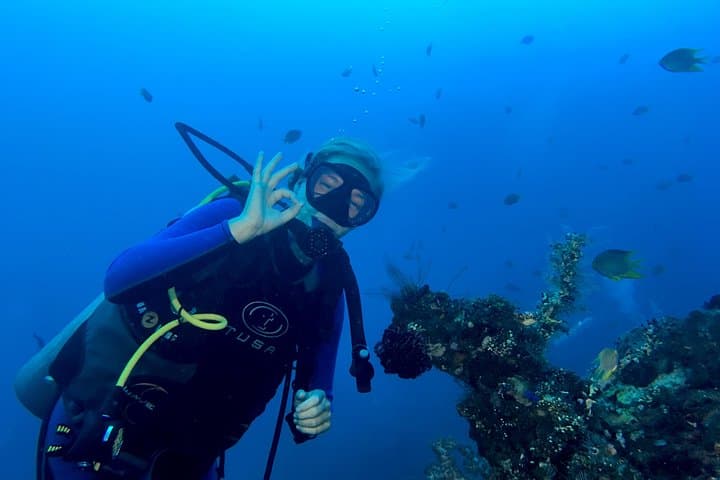
Expect three days of classroom theory, confined‑water skills and multiple open‑water dives from shore and boat. Instructors emphasize equalization, air management and emergency procedures; certification is lifetime and widely recognized. Water temperatures in summer can reach the high 70s–low 80s°F, cooling in shoulder seasons; a wetsuit choice will depend on timing. You’ll share the water with sea turtles and schooling reef fish while exploring shallow wrecks that shelter marine life.
Practical guidance: arrive hydrated and rested, complete the medical questionnaire honestly, and bring a swimsuit, towel and closed‑toe shoes for boat transfers. Plan for sun exposure between dives and allow surface intervals to avoid fatigue. If you’ve never snorkeled or cleared your ears, consider a short practice session first — the course moves deliberately but expects basic comfort in the water.
moderate.
3 days.
Moderate fitness; comfortable swimming ability and basic stamina for repeated dives and surface intervals
No prior scuba experience is required, but you should be a comfortable swimmer and able to perform basic water skills; the course teaches fundamentals from confined water onward.
This entry‑level certification authorizes recreational diving to 60 feet (18 meters) with a buddy under standard open‑water protocols.
Pregnancy, certain heart or respiratory conditions and significant spinal injuries are contraindications; a medical questionnaire will flag issues that require physician clearance.
Yes — most recreational certifications are accepted worldwide, allowing you to rent gear and join guided dives at other dive shops once certified.
Panama City Beach grew around fishing, shipping and coastal tourism; recreational diving expanded in the late 20th century alongside sportfishing and wreck exploration.
Follow no‑touch rules and use reef‑safe sunscreen; local operators participate in occasional reef cleanups and emphasize responsible buoyancy to protect seagrass and wreck habitats.
Panama City Diving operates guided outdoor trips and adventures with an emphasis on safety, stewardship, and memorable experiences.
The Gulf sprawls out, a hard horizon of green water that dares you to go beneath its surface. At the dive shop in Panama City Beach you assemble gear, listen to briefings and practice buoyancy in a warm training pool before heading to shore and then a boat for open-water sessions.
The Gulf sprawls out, a hard horizon of green water that dares you to go beneath its surface. At the dive shop in Panama City Beach you assemble gear, listen to briefings and practice buoyancy in a warm training pool before heading to shore and then a boat for open-water sessions.
This is entry‑level certification designed to get you diving safely to 60 feet with a buddy. The region’s shallow sandbars, seagrass flats and nearshore wrecks reflect a coastline shaped by Pleistocene shoals and modern storms; visibility and current change with tide and weather. The town’s fishing and tourism history is evident in local marinas and bait shops, while Indigenous and coastal fishing traditions quietly persist in local culture.
Expect three days of classroom theory, confined‑water skills and multiple open‑water dives from shore and boat. Instructors emphasize equalization, air management and emergency procedures; certification is lifetime and widely recognized. Water temperatures in summer can reach the high 70s–low 80s°F, cooling in shoulder seasons; a wetsuit choice will depend on timing. You’ll share the water with sea turtles and schooling reef fish while exploring shallow wrecks that shelter marine life.
Practical guidance: arrive hydrated and rested, complete the medical questionnaire honestly, and bring a swimsuit, towel and closed‑toe shoes for boat transfers. Plan for sun exposure between dives and allow surface intervals to avoid fatigue. If you’ve never snorkeled or cleared your ears, consider a short practice session first — the course moves deliberately but expects basic comfort in the water.