THE ADVENTURE COLLECTIVE® · Independent discovery and booking for outdoor travel

See ships pass through the Miraflores Locks, walk former American base towns, and visit Balboa’s canal administration building on a focused 4–5 hour drive-and-walk tour of the Old Canal Zone.
See ships pass through the Miraflores Locks, walk former American base towns, and visit Balboa’s canal administration building on a focused 4–5 hour drive-and-walk tour of the Old Canal Zone.
The bus eases out of Panama City's glass-and-concrete hum and the air shifts—salt and diesel, historical echoes—when you arrive at Miraflores. From the fourth-floor observation deck, a freighter squeezes between gates and the lock valves whisper their age; the moment is tactile, mechanical, and quietly theatrical.
Verified experiences and guided adventures in the surrounding area.
Operated by Panamanian Aventures · Panama City, Panamá Province
The bus eases out of Panama City's glass-and-concrete hum and the air shifts—salt and diesel, historical echoes—when you arrive at Miraflores. From the fourth-floor observation deck, a freighter squeezes between gates and the lock valves whisper their age; the moment is tactile, mechanical, and quietly theatrical.
This route traces the human engineering and military footprint that shaped 20th-century Panama. You’ll move from the Miraflores Visitor Center’s exhibits about French and American canal efforts to the former U.S. installations at Clayton and Corozal—towns that once housed tens of thousands of workers and service members. The tour pauses at the American military cemetery and the old Albrook airfield, then winds past the Panama Canal Administration Building in Balboa before finishing on the Amador Causeway, where island forts once guarded the Pacific entrance.
Geologically, the canal cuts through uplifted continental crust and ancient river valleys; the locks exploit elevation differences more than tidal drama. Culturally, the Canal Zone reflects a layered history of multinational labor, U.S. strategic presence, and Panamanian sovereignty struggles—museums and plaques provide context.
Practical guidance: plan for 4–5 hours with intermittent walking and stairs (Miraflores observation floors). Entry fees to Miraflores Visitor Center and Canal Museum are paid on site; bring small cash or card. Wear comfortable shoes for quick walks, sun protection for exposed viewpoints, and keep water handy—an air-conditioned vehicle handles most transit, but humidity remains. Timing your visit for mid-morning increases the chance of seeing commercial transits without the afternoon haze.
moderate.
4–5 hours.
Moderate fitness recommended; mostly seated transport with several short walks and stair climbs.
No. Both require on-site payment (Miraflores Visitor Center around $17, Canal Museum around $15); bring card or USD.
Expect several short walks and stair climbs (observation decks, museum rooms, brief stops at historic sites); most travel is by air-conditioned vehicle.
Yes, but plan for limited mobility at some stops; contact the operator about accessibility or reduced walking options.
Often yes—spending an hour at Miraflores gives a good chance to watch commercial vessels pass, but exact timing depends on canal traffic.
The Canal Zone was developed during the U.S. construction and administration of the Panama Canal (early 20th century); U.S. bases like Clayton housed thousands until turnover to Panama in the later 20th century.
Visitor centers emphasize canal watershed protection and water management; limit single-use plastics and stay on designated paths to protect mangroves and shoreline habitats.
Panamanian Aventures operates guided outdoor trips and adventures with an emphasis on safety, stewardship, and memorable experiences.


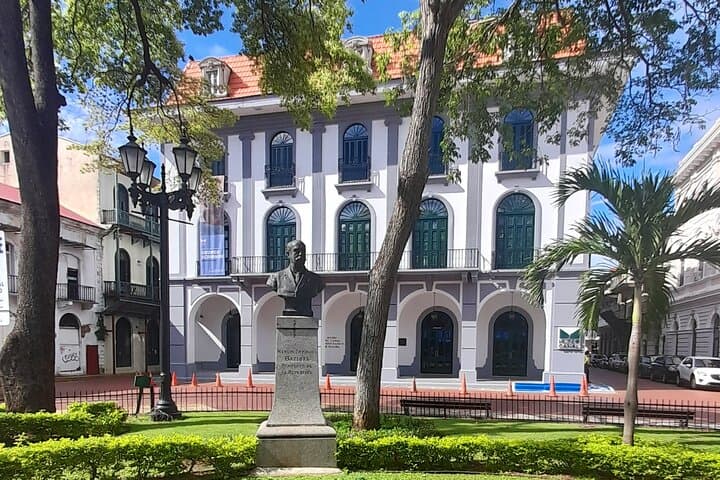

The bus eases out of Panama City's glass-and-concrete hum and the air shifts—salt and diesel, historical echoes—when you arrive at Miraflores. From the fourth-floor observation deck, a freighter squeezes between gates and the lock valves whisper their age; the moment is tactile, mechanical, and quietly theatrical.
The bus eases out of Panama City's glass-and-concrete hum and the air shifts—salt and diesel, historical echoes—when you arrive at Miraflores. From the fourth-floor observation deck, a freighter squeezes between gates and the lock valves whisper their age; the moment is tactile, mechanical, and quietly theatrical.
This route traces the human engineering and military footprint that shaped 20th-century Panama. You’ll move from the Miraflores Visitor Center’s exhibits about French and American canal efforts to the former U.S. installations at Clayton and Corozal—towns that once housed tens of thousands of workers and service members. The tour pauses at the American military cemetery and the old Albrook airfield, then winds past the Panama Canal Administration Building in Balboa before finishing on the Amador Causeway, where island forts once guarded the Pacific entrance.
Geologically, the canal cuts through uplifted continental crust and ancient river valleys; the locks exploit elevation differences more than tidal drama. Culturally, the Canal Zone reflects a layered history of multinational labor, U.S. strategic presence, and Panamanian sovereignty struggles—museums and plaques provide context.
Practical guidance: plan for 4–5 hours with intermittent walking and stairs (Miraflores observation floors). Entry fees to Miraflores Visitor Center and Canal Museum are paid on site; bring small cash or card. Wear comfortable shoes for quick walks, sun protection for exposed viewpoints, and keep water handy—an air-conditioned vehicle handles most transit, but humidity remains. Timing your visit for mid-morning increases the chance of seeing commercial transits without the afternoon haze.