THE ADVENTURE COLLECTIVE® · Independent discovery and booking for outdoor travel

Cruise half the way through one of the world’s most famous engineered waterways, rising through the Miraflores and Pedro Miguel locks and passing the Culebra Cut. This guided partial transit combines lock mechanics, bridge views and a paced, informative onboard experience.
Cruise half the way through one of the world’s most famous engineered waterways, rising through the Miraflores and Pedro Miguel locks and passing the Culebra Cut. This guided partial transit combines lock mechanics, bridge views and a paced, informative onboard experience.
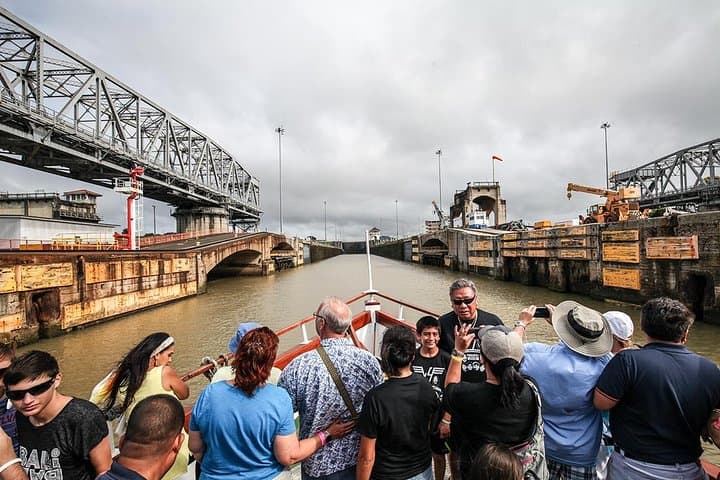
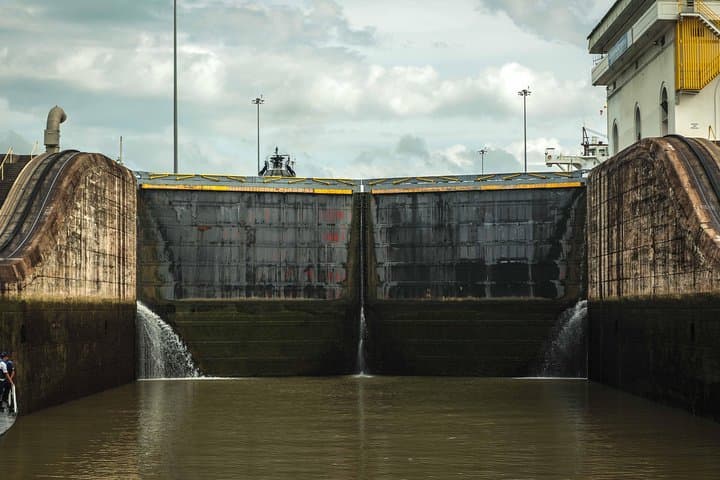
You step onto the upper deck as the city drops away and the canal takes over: concrete walls climb like an engineered canyon, ships loafing through the narrow cut while gulls wheel and call. The vessel settles into the slow rhythm of locks and chambers—water lifting you 56 feet at Miraflores and Pedro Miguel—while the Centennial Bridge and Bridge of the Americas slide into view.
Verified experiences and guided adventures in the surrounding area.
Operated by Event Plus Panama, S.A. · Panama City, Panamá Province
You step onto the upper deck as the city drops away and the canal takes over: concrete walls climb like an engineered canyon, ships loafing through the narrow cut while gulls wheel and call. The vessel settles into the slow rhythm of locks and chambers—water lifting you 56 feet at Miraflores and Pedro Miguel—while the Centennial Bridge and Bridge of the Americas slide into view.
This partial transit follows the same corridor carved through the Isthmus of Panama in the early 20th century, where engineers cut the Culebra Cut through ancient continental rock and reshaped trade routes worldwide. The geology is blunt and visible—sheared volcanic and sedimentary strata exposed along the cut—while the culture onboard and in surrounding ports blends Afro-Caribbean, Spanish and Indigenous influences, seen in the food and the cadence of Panama City radio.
Expect a guided sightseeing cruise with commentary, lunch, and hotel pickup. The tempo is deliberate: lock approaches, water level changes, and panoramic pauses for bridge sightings provide natural breaks for photos and questions. Birdlife and small shoreline communities appear along the banks; keep binoculars ready.
Practical notes: bring sun protection and a wind layer, and plan for 7 hours away from the hotel. Mobility-friendly access is common, but if you require assistance confirm pickup details in advance. For calmer experience, choose dry-season months when visibility is best; rainy-season transits are atmospheric but wetter. Above all, use the boat’s foredeck to watch the lock mechanics—this is where the canal’s scale and ingenuity feel most immediate.
easy.
7 hours.
Suitable for most fitness levels; mainly standing and short walks on deck.
Bring a government-issued photo ID or passport for boarding and any included hotel pickup; requirements vary if you join from the port rather than a hotel.
The experience lasts about 7 hours and typically includes a guided cruise, lunch, non-alcoholic beverages, and hotel pickup and drop-off.
This is a partial transit: you’ll pass through key locks (Miraflores, Pedro Miguel) and the Culebra Cut but not the full Atlantic-to-Pacific crossing.
Many operators provide wheelchair-accessible vessels and boarding assistance; confirm accessibility and any special requirements when booking.
The Panama Canal opened in 1914 after decades of engineering and geopolitical effort, transforming global shipping by connecting the Atlantic and Pacific through a system of locks cut across continental rock.
The canal corridor is actively managed; operators and authorities emphasize limiting fuel spills, proper waste disposal, and respecting shoreline habitats to protect mangroves and estuarine species.
Event Plus Panama, S.A. operates guided outdoor trips and adventures with an emphasis on safety, stewardship, and memorable experiences.
You step onto the upper deck as the city drops away and the canal takes over: concrete walls climb like an engineered canyon, ships loafing through the narrow cut while gulls wheel and call. The vessel settles into the slow rhythm of locks and chambers—water lifting you 56 feet at Miraflores and Pedro Miguel—while the Centennial Bridge and Bridge of the Americas slide into view.
You step onto the upper deck as the city drops away and the canal takes over: concrete walls climb like an engineered canyon, ships loafing through the narrow cut while gulls wheel and call. The vessel settles into the slow rhythm of locks and chambers—water lifting you 56 feet at Miraflores and Pedro Miguel—while the Centennial Bridge and Bridge of the Americas slide into view.
This partial transit follows the same corridor carved through the Isthmus of Panama in the early 20th century, where engineers cut the Culebra Cut through ancient continental rock and reshaped trade routes worldwide. The geology is blunt and visible—sheared volcanic and sedimentary strata exposed along the cut—while the culture onboard and in surrounding ports blends Afro-Caribbean, Spanish and Indigenous influences, seen in the food and the cadence of Panama City radio.
Expect a guided sightseeing cruise with commentary, lunch, and hotel pickup. The tempo is deliberate: lock approaches, water level changes, and panoramic pauses for bridge sightings provide natural breaks for photos and questions. Birdlife and small shoreline communities appear along the banks; keep binoculars ready.
Practical notes: bring sun protection and a wind layer, and plan for 7 hours away from the hotel. Mobility-friendly access is common, but if you require assistance confirm pickup details in advance. For calmer experience, choose dry-season months when visibility is best; rainy-season transits are atmospheric but wetter. Above all, use the boat’s foredeck to watch the lock mechanics—this is where the canal’s scale and ingenuity feel most immediate.