THE ADVENTURE COLLECTIVE® · Independent discovery and booking for outdoor travel

Board a boat on Gatun Lake for close-up wildlife viewing—howler monkeys, crocodiles and tropical birds—while watching ships transit the Panama Canal. The tour ends with a hands-on stop at a local fruit market to taste Panama’s famously sweet pineapple.
Board a boat on Gatun Lake for close-up wildlife viewing—howler monkeys, crocodiles and tropical birds—while watching ships transit the Panama Canal. The tour ends with a hands-on stop at a local fruit market to taste Panama’s famously sweet pineapple.
Morning mist lifts off Gatun Lake as the boat slips from the dock, engines thrum and the canopy of the Canal’s freshwater basin closes in. Mangrove roots and pilings pass like signposts; a troop of howler monkeys answers with distant calls while a watchful crocodile basks on a muddy bank. Ships climbing the lock system appear as improbable neighbors—steel leviathans moving through an engineered sea.
Verified experiences and guided adventures in the surrounding area.
Operated by Mytourpty · Panama City, Panama Province
Morning mist lifts off Gatun Lake as the boat slips from the dock, engines thrum and the canopy of the Canal’s freshwater basin closes in. Mangrove roots and pilings pass like signposts; a troop of howler monkeys answers with distant calls while a watchful crocodile basks on a muddy bank. Ships climbing the lock system appear as improbable neighbors—steel leviathans moving through an engineered sea.
Gatun Lake is not a natural lake but the great reservoir carved for the Panama Canal in the early 20th century; its flooded valleys—and the forest islands left behind—created concentrated wildlife pockets. The tour threads history with ecology: French and American canal builders reshaped the land, and today local guides read the landscape as both habitat and human achievement. Culture comes ashore at the fruit market stop, where vendors—often small-scale farmers—offer pineapple, mango and papaya and tell short family stories through taste.
Practically, expect calm, shallow channels, intermittent open water and close wildlife encounters more likely in the cooler morning hours. Photography favors a 200–400mm zoom for monkeys and birds; polarized sunglasses cut glare on the lake. Bring sun protection, insect repellent and a light rain layer—the tropics can shift quickly.
This is an accessible half-day trip suitable for most travelers who want a compact wildlife experience paired with a sensory market visit: the rush of the Canal’s engineering, the neighbors of the rainforest, and pineapple so sweet it makes a good ending to the morning.
easy.
4–5 hours.
Suitable for most fitness levels; requires boarding a small boat and short walks at the market.
Yes—this tour includes hotel pickup and drop-off in Panama City; confirm your specific pickup location during booking.
No—guides maximize chances by choosing quiet channels and morning starts, but wildlife is wild and sightings can’t be guaranteed.
Yes—the itinerary includes a guided market visit where you can sample fresh pineapple and other local fruit, often served by the vendors.
Boat boarding and uneven market aisles can be challenging; contact the operator in advance to discuss mobility needs and available assistance.
Gatun Lake was created in 1913–1914 when valleys were flooded during construction of the Panama Canal; islands and forest fragments formed productive wildlife refuges.
The Canal watershed is critical for both shipping and biodiversity—tour operators encourage no-trace behavior and avoiding wildlife feeding to minimize human impact.
Mytourpty operates guided outdoor trips and adventures with an emphasis on safety, stewardship, and memorable experiences.


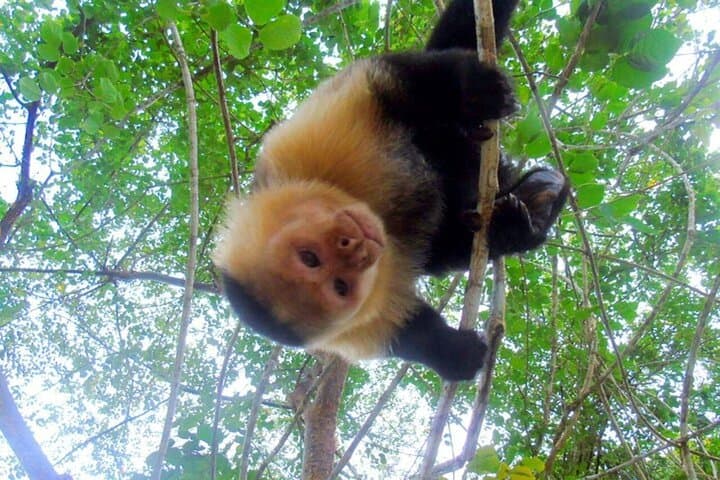
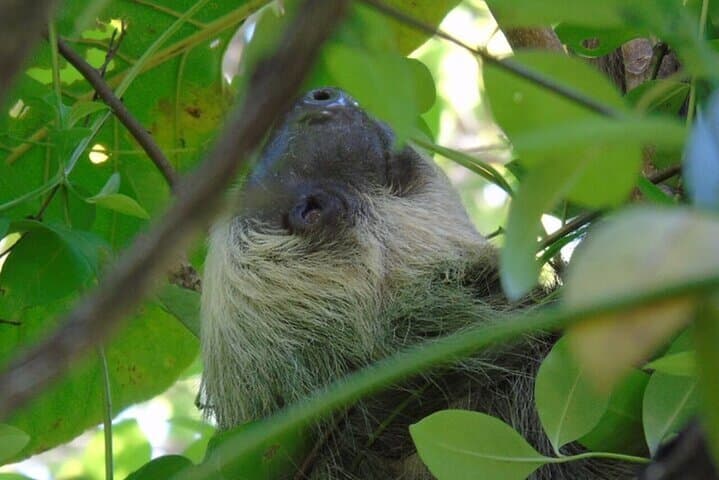
Morning mist lifts off Gatun Lake as the boat slips from the dock, engines thrum and the canopy of the Canal’s freshwater basin closes in. Mangrove roots and pilings pass like signposts; a troop of howler monkeys answers with distant calls while a watchful crocodile basks on a muddy bank. Ships climbing the lock system appear as improbable neighbors—steel leviathans moving through an engineered sea.
Morning mist lifts off Gatun Lake as the boat slips from the dock, engines thrum and the canopy of the Canal’s freshwater basin closes in. Mangrove roots and pilings pass like signposts; a troop of howler monkeys answers with distant calls while a watchful crocodile basks on a muddy bank. Ships climbing the lock system appear as improbable neighbors—steel leviathans moving through an engineered sea.
Gatun Lake is not a natural lake but the great reservoir carved for the Panama Canal in the early 20th century; its flooded valleys—and the forest islands left behind—created concentrated wildlife pockets. The tour threads history with ecology: French and American canal builders reshaped the land, and today local guides read the landscape as both habitat and human achievement. Culture comes ashore at the fruit market stop, where vendors—often small-scale farmers—offer pineapple, mango and papaya and tell short family stories through taste.
Practically, expect calm, shallow channels, intermittent open water and close wildlife encounters more likely in the cooler morning hours. Photography favors a 200–400mm zoom for monkeys and birds; polarized sunglasses cut glare on the lake. Bring sun protection, insect repellent and a light rain layer—the tropics can shift quickly.
This is an accessible half-day trip suitable for most travelers who want a compact wildlife experience paired with a sensory market visit: the rush of the Canal’s engineering, the neighbors of the rainforest, and pineapple so sweet it makes a good ending to the morning.