THE ADVENTURE COLLECTIVE® · Independent discovery and booking for outdoor travel

Walk the painted lanes of Fontainhas and the riverfront of Panaji with a cultural evangelist. This guided three-hour tour weaves colonial history, local temples and cinematic landmarks with practical tips for navigating cobbled streets.
Walk the painted lanes of Fontainhas and the riverfront of Panaji with a cultural evangelist. This guided three-hour tour weaves colonial history, local temples and cinematic landmarks with practical tips for navigating cobbled streets.
You step off the car and into sunlight that slides across narrow lanes of painted houses; the air carries the salt of the Mandovi and the click of sandals on cobblestone. The Fontainhas quarter opens like a living map of Goa’s Portuguese past—bright facades, wrought-iron balconies and doors that remember other languages.
Verified experiences and guided adventures in the surrounding area.
Operated by 5 Senses Walks · Panaji, Goa
You step off the car and into sunlight that slides across narrow lanes of painted houses; the air carries the salt of the Mandovi and the click of sandals on cobblestone. The Fontainhas quarter opens like a living map of Goa’s Portuguese past—bright facades, wrought-iron balconies and doors that remember other languages.
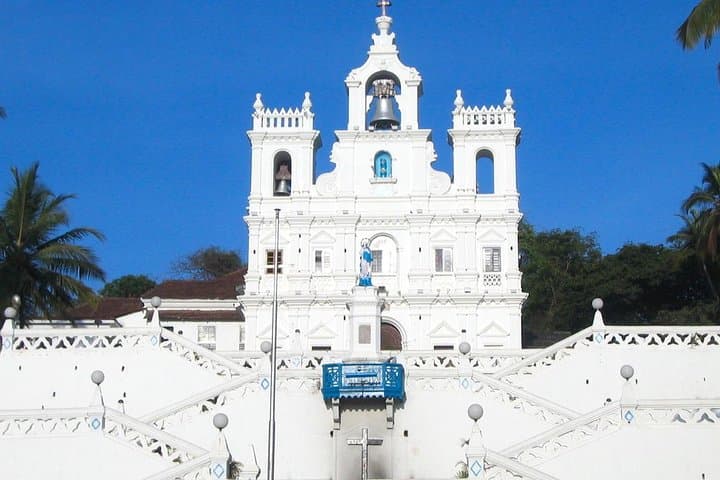
This three-hour guided walk moves from the Latin quarter through Tobacco Square to the Palace of Maquinezes, pausing at the Our Lady of the Immaculate Conception Church and the Mahalakshmi Temple. Panaji became the capital after the mid-19th century plague closed Old Goa; the city’s layout and architecture reflect layers of colonial administration, local Konkani culture and maritime trade along the Mandovi.
Geologically, the area sits on coastal alluvium where the river meets the Arabian Sea; promenades and quays were shaped by tides and the demands of shipping. Cultural highlights include Indo-Portuguese homes, the cinematic church bell, and the surprising survival of the Mahalakshmi Temple—one of the few temples preserved under colonial rule.
Practical guidance: wear sturdy, closed-toe walking shoes for uneven cobbles and tight lanes; carry water and sun protection—Goa’s sun can be relentless by mid-morning. The guide provides local context and light snacks; pickup and drop can be arranged from most Panaji hotels. Expect moderate walking (steps and short hills) and plenty of photo stops; cash helps for small donations or street purchases. Time your visit in cooler months (Nov–Feb) or early morning to avoid heat and crowds.
moderate.
2–3 hours.
Requires moderate fitness—standing, walking on uneven surfaces and a few short climbs; suitable for most adults who can walk 2–4 miles.
The tour runs about 3 hours with a leisurely pace, allowing time at each stop for history and photos.
Pickup and drop are available if the option is selected at booking; otherwise meet at the designated starting point in Fontainhas.
Moderate walking and uneven surfaces mean it’s fine for children and older adults who are steady on their feet; inform the operator of mobility needs.
Guides typically speak English and local Konkani; confirm language needs when booking.
Panaji became Goa’s capital in 1843 after Old Goa’s decline; Fontainhas preserves the compact Portuguese-era urban fabric and colonial architecture.
Respect fragile heritage facades by avoiding leaning or touching painted surfaces; support local businesses and avoid single-use plastics to reduce tourism impact.
5 Senses Walks operates guided outdoor trips and adventures with an emphasis on safety, stewardship, and memorable experiences.
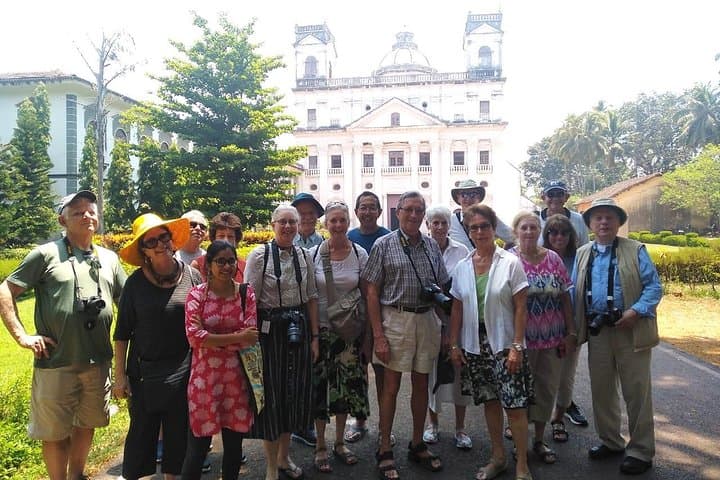
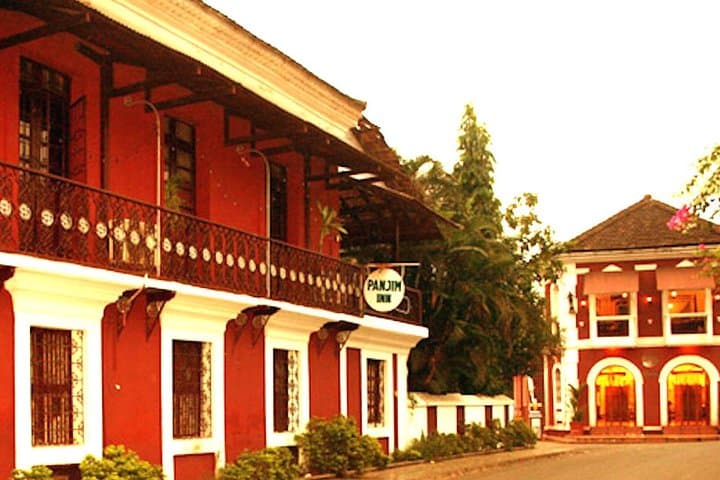
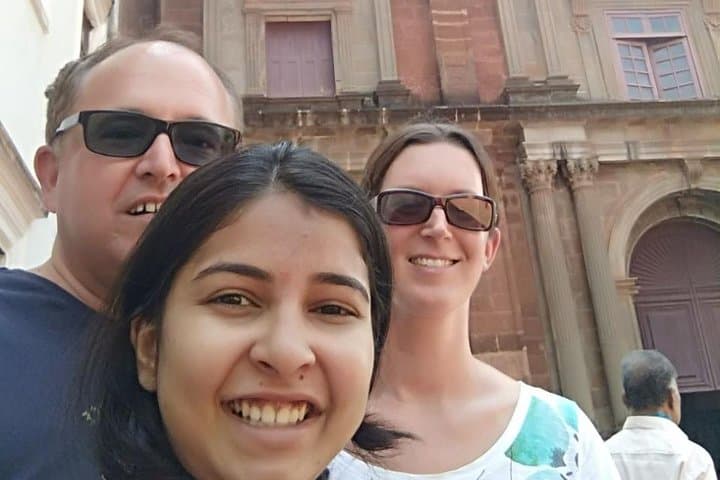
You step off the car and into sunlight that slides across narrow lanes of painted houses; the air carries the salt of the Mandovi and the click of sandals on cobblestone. The Fontainhas quarter opens like a living map of Goa’s Portuguese past—bright facades, wrought-iron balconies and doors that remember other languages.
You step off the car and into sunlight that slides across narrow lanes of painted houses; the air carries the salt of the Mandovi and the click of sandals on cobblestone. The Fontainhas quarter opens like a living map of Goa’s Portuguese past—bright facades, wrought-iron balconies and doors that remember other languages.
This three-hour guided walk moves from the Latin quarter through Tobacco Square to the Palace of Maquinezes, pausing at the Our Lady of the Immaculate Conception Church and the Mahalakshmi Temple. Panaji became the capital after the mid-19th century plague closed Old Goa; the city’s layout and architecture reflect layers of colonial administration, local Konkani culture and maritime trade along the Mandovi.
Geologically, the area sits on coastal alluvium where the river meets the Arabian Sea; promenades and quays were shaped by tides and the demands of shipping. Cultural highlights include Indo-Portuguese homes, the cinematic church bell, and the surprising survival of the Mahalakshmi Temple—one of the few temples preserved under colonial rule.
Practical guidance: wear sturdy, closed-toe walking shoes for uneven cobbles and tight lanes; carry water and sun protection—Goa’s sun can be relentless by mid-morning. The guide provides local context and light snacks; pickup and drop can be arranged from most Panaji hotels. Expect moderate walking (steps and short hills) and plenty of photo stops; cash helps for small donations or street purchases. Time your visit in cooler months (Nov–Feb) or early morning to avoid heat and crowds.