THE ADVENTURE COLLECTIVE® · Independent discovery and booking for outdoor travel

Walk the Pamulaklakin Trail with Aeta guides and learn traditional survival skills in one of Subic Bay’s few remaining lowland rainforests. This full-day cultural and nature experience combines hands-on demonstrations, a bamboo-cooked lunch, and a guided forest walk.
Walk the Pamulaklakin Trail with Aeta guides and learn traditional survival skills in one of Subic Bay’s few remaining lowland rainforests. This full-day cultural and nature experience combines hands-on demonstrations, a bamboo-cooked lunch, and a guided forest walk.
You step off the van into heat and green—leaves glinting wet, air heavy with earth and the scent of cut bamboo. The Binictican hills rise like a folded map, and the Pamulaklakin Trail threads through lowland rainforest where sunlight filters in narrow shafts. The river ahead seems to dare you onward, its current pushing the trail’s edges into moss and stone.
Verified experiences and guided adventures in the surrounding area.
Operated by Yolo Travel Philippines · Olongapo, Zambales
You step off the van into heat and green—leaves glinting wet, air heavy with earth and the scent of cut bamboo. The Binictican hills rise like a folded map, and the Pamulaklakin Trail threads through lowland rainforest where sunlight filters in narrow shafts. The river ahead seems to dare you onward, its current pushing the trail’s edges into moss and stone.
This is Aeta country: one of the Philippines’ oldest indigenous groups, living in Subic Bay’s remaining rainforest pockets. The landscape here is young volcanic substrate weathered into shallow ridges, with fertile alluvial flats where the community gardens and bamboo groves grow. The Aetas’ knowledge of this terrain—edible plants, tracking, and traditional shelter-building—has sustained generations and is central to the walking demonstrations you’ll see.
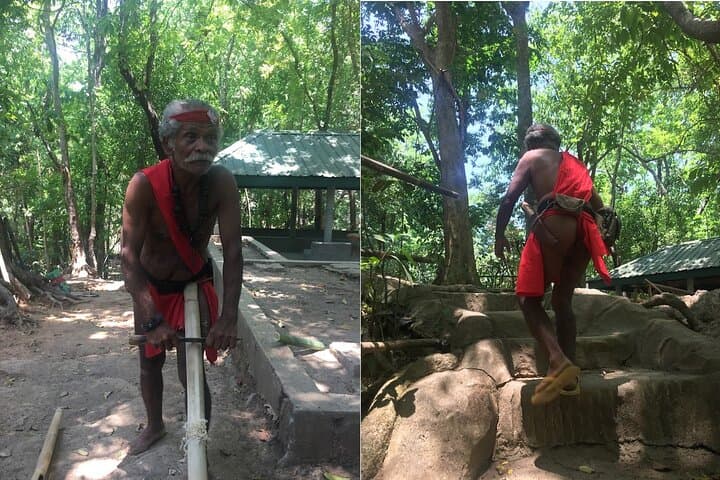
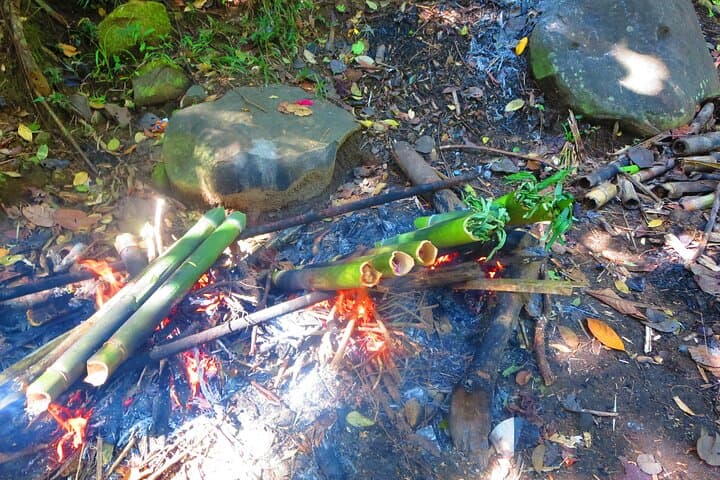
On the trail expect short, uneven climbs, damp leaf litter underfoot, and close encounters with a forest that favors shade and humidity. Guides from the community will demonstrate survival techniques, set up a bamboo-cooked lunch, and explain cultural practices tied to ritual hunting and forest stewardship.
Practical notes: this is a full-day excursion (about 10–12 hours including transfers from Manila), so prioritize hydration, sun protection for open stretches, and closed-toe shoes for muddy sections. Bring small cash for local crafts and be prepared for basic facilities. The experience is as much cultural exchange as it is a hike—move respectfully, follow the guide’s instructions, and remember your choices affect the forest you’re visiting.
moderate.
10–12 hours.
Suitable for travelers with basic fitness—comfortable walking stamina for uneven, humid forest trails is recommended.
Most tours include pickup from Manila (Makati, Taguig, Ermita, Malate, Las Piñas, Muntinlupa, Pasay). The drive to Subic/Binictican takes around 2–3 hours depending on traffic.
The walk is family-friendly but requires steady footing; children and seniors should be comfortable with uneven terrain and tropical heat. Not recommended for pregnant travelers or those with serious heart or spine conditions.
Lunch is included and traditionally cooked inside bamboo by Aeta hosts—notify guides of dietary restrictions ahead of time.
Facilities are basic; expect pit or simple toilet facilities near the community and limited running water—plan accordingly.
The Aeta people are among the Philippines’ original inhabitants; the Pamulaklakin area has long been an ancestral domain where traditional knowledge of plants and hunting persists.
The Binictican rainforest is one of the region’s remaining lowland forests—responsible tourism supports local livelihoods and helps protect habitat; avoid single‑use plastics and stick to trails.
Yolo Travel Philippines operates guided outdoor trips and adventures with an emphasis on safety, stewardship, and memorable experiences.


You step off the van into heat and green—leaves glinting wet, air heavy with earth and the scent of cut bamboo. The Binictican hills rise like a folded map, and the Pamulaklakin Trail threads through lowland rainforest where sunlight filters in narrow shafts. The river ahead seems to dare you onward, its current pushing the trail’s edges into moss and stone.
You step off the van into heat and green—leaves glinting wet, air heavy with earth and the scent of cut bamboo. The Binictican hills rise like a folded map, and the Pamulaklakin Trail threads through lowland rainforest where sunlight filters in narrow shafts. The river ahead seems to dare you onward, its current pushing the trail’s edges into moss and stone.
This is Aeta country: one of the Philippines’ oldest indigenous groups, living in Subic Bay’s remaining rainforest pockets. The landscape here is young volcanic substrate weathered into shallow ridges, with fertile alluvial flats where the community gardens and bamboo groves grow. The Aetas’ knowledge of this terrain—edible plants, tracking, and traditional shelter-building—has sustained generations and is central to the walking demonstrations you’ll see.
On the trail expect short, uneven climbs, damp leaf litter underfoot, and close encounters with a forest that favors shade and humidity. Guides from the community will demonstrate survival techniques, set up a bamboo-cooked lunch, and explain cultural practices tied to ritual hunting and forest stewardship.
Practical notes: this is a full-day excursion (about 10–12 hours including transfers from Manila), so prioritize hydration, sun protection for open stretches, and closed-toe shoes for muddy sections. Bring small cash for local crafts and be prepared for basic facilities. The experience is as much cultural exchange as it is a hike—move respectfully, follow the guide’s instructions, and remember your choices affect the forest you’re visiting.