THE ADVENTURE COLLECTIVE® · Independent discovery and booking for outdoor travel

Rise at dawn and watch Pamukkale’s white travertine terraces unfold beneath a 60-minute hot air balloon flight. This tour pairs aerial perspective with buffet breakfast and a celebratory champagne toast after touchdown.
Rise at dawn and watch Pamukkale’s white travertine terraces unfold beneath a 60-minute hot air balloon flight. This tour pairs aerial perspective with buffet breakfast and a celebratory champagne toast after touchdown.
You lift before dawn, the basket swinging like a slow heartbeat as the burner hisses and the valley opens beneath you. The travertine shelves of Pamukkale gleam white in the first light, thermal steam curling from pools while the mosaic ruins of Hierapolis cut a dark line on the ridge. From the basket the landscape reads like layers—mineral terraces, agricultural terraces in the Menderes Valley, and the pale ribbon of the river below—each element exerting its own quiet motion.
Verified experiences and guided adventures in the surrounding area.
Operated by Moonstar Tour · Pamukkale, Denizli Province
You lift before dawn, the basket swinging like a slow heartbeat as the burner hisses and the valley opens beneath you. The travertine shelves of Pamukkale gleam white in the first light, thermal steam curling from pools while the mosaic ruins of Hierapolis cut a dark line on the ridge. From the basket the landscape reads like layers—mineral terraces, agricultural terraces in the Menderes Valley, and the pale ribbon of the river below—each element exerting its own quiet motion.
Pamukkale is a UNESCO World Heritage site formed by millennia of calcium-rich thermal water depositing travertine. The adjacent city of Hierapolis, founded in the Hellenistic period and expanded by Rome, leaves stone theatres, necropolises, and thermal baths that hint at the region’s cultural weight. Today hot-air operations stage flights that combine that history with aerial perspective: 60-minute flights typically carry 16–24 passengers and include buffet breakfast on launch and a champagne toast on landing.
Practically, expect an early pickup, standing in the basket for about an hour, and brief, gentle landings. Weather cancels flights—operators will call off flights in wind, rain, or low visibility. Wear closed-toe shoes and layered clothing; temperatures at sunrise can be sharp even in summer. Cameras with secure straps are essential, and follow crew instructions during launch and descent.
If you want the quietest light, target spring or autumn mornings; summer offers clearer skies but hotter days, and winter can be dramatically cold with potential cancellations. This flight is an efficient, sensory way to read Pamukkale’s geology and history from above while leaving footprints light on the terraces below.
moderate.
3–4 hours (includes pickup, breakfast, and transfer).
Moderate: must be able to stand and climb in/out of the basket and follow safety briefings
The airborne portion is about 60 minutes; the full experience including pickup, breakfast, and return transfer takes roughly 3–4 hours.
Operators cancel flights in unsafe conditions; policies vary but this specific tour lists cancellations for bad weather with all sales final—confirm refund or reschedule terms with the provider before booking.
This tour is not recommended for pregnant travelers or those with significant heart or spinal conditions; a moderate fitness level is advised.
Sunrise is the standard for light and stable conditions; spring and autumn mornings offer cooler air and photogenic light, while summer is warmer but can be hazy.
Pamukkale’s travertines formed from thermal springs; the ancient city of Hierapolis, founded in the 2nd century BCE and later Romanized, made the area a spa and religious center.
The travertine pools are fragile—visitors must use designated walkways and respect water management rules; local conservation efforts balance tourism with protecting thermal flows.
Moonstar Tour operates guided outdoor trips and adventures with an emphasis on safety, stewardship, and memorable experiences.
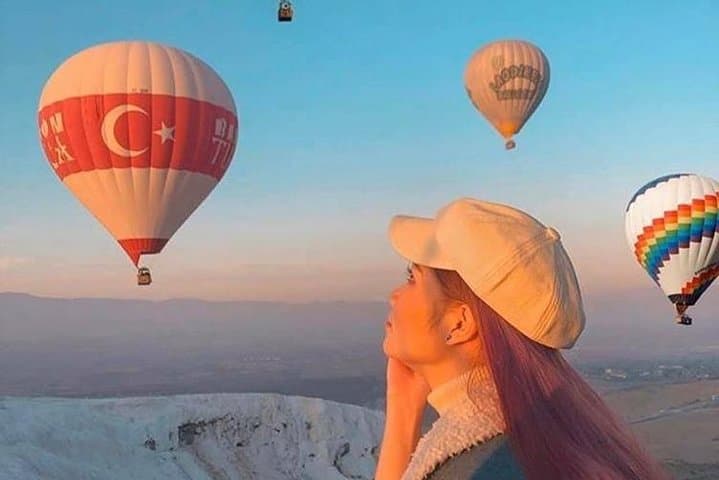
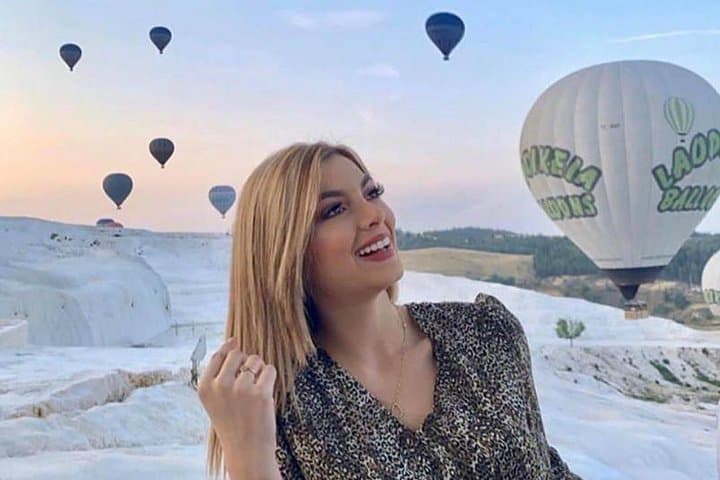
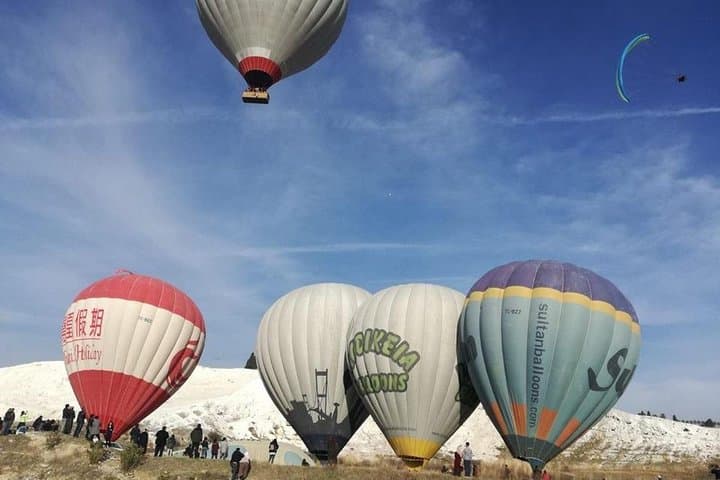
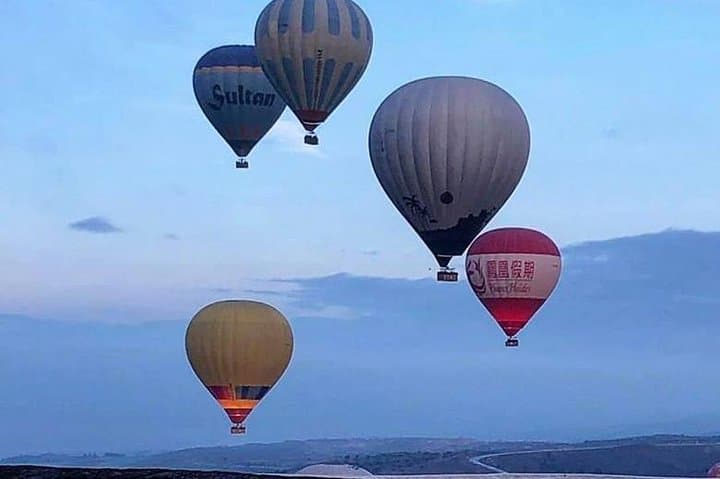
You lift before dawn, the basket swinging like a slow heartbeat as the burner hisses and the valley opens beneath you. The travertine shelves of Pamukkale gleam white in the first light, thermal steam curling from pools while the mosaic ruins of Hierapolis cut a dark line on the ridge. From the basket the landscape reads like layers—mineral terraces, agricultural terraces in the Menderes Valley, and the pale ribbon of the river below—each element exerting its own quiet motion.
You lift before dawn, the basket swinging like a slow heartbeat as the burner hisses and the valley opens beneath you. The travertine shelves of Pamukkale gleam white in the first light, thermal steam curling from pools while the mosaic ruins of Hierapolis cut a dark line on the ridge. From the basket the landscape reads like layers—mineral terraces, agricultural terraces in the Menderes Valley, and the pale ribbon of the river below—each element exerting its own quiet motion.
Pamukkale is a UNESCO World Heritage site formed by millennia of calcium-rich thermal water depositing travertine. The adjacent city of Hierapolis, founded in the Hellenistic period and expanded by Rome, leaves stone theatres, necropolises, and thermal baths that hint at the region’s cultural weight. Today hot-air operations stage flights that combine that history with aerial perspective: 60-minute flights typically carry 16–24 passengers and include buffet breakfast on launch and a champagne toast on landing.
Practically, expect an early pickup, standing in the basket for about an hour, and brief, gentle landings. Weather cancels flights—operators will call off flights in wind, rain, or low visibility. Wear closed-toe shoes and layered clothing; temperatures at sunrise can be sharp even in summer. Cameras with secure straps are essential, and follow crew instructions during launch and descent.
If you want the quietest light, target spring or autumn mornings; summer offers clearer skies but hotter days, and winter can be dramatically cold with potential cancellations. This flight is an efficient, sensory way to read Pamukkale’s geology and history from above while leaving footprints light on the terraces below.