THE ADVENTURE COLLECTIVE® · Independent discovery and booking for outdoor travel

Rise at dawn over Pamukkale’s white travertines and the ruins of Hierapolis on a 60‑minute hot air balloon flight. This early‑morning ride pairs sweeping geological views with a glimpse into an ancient thermal spa city.
Rise at dawn over Pamukkale’s white travertines and the ruins of Hierapolis on a 60‑minute hot air balloon flight. This early‑morning ride pairs sweeping geological views with a glimpse into an ancient thermal spa city.
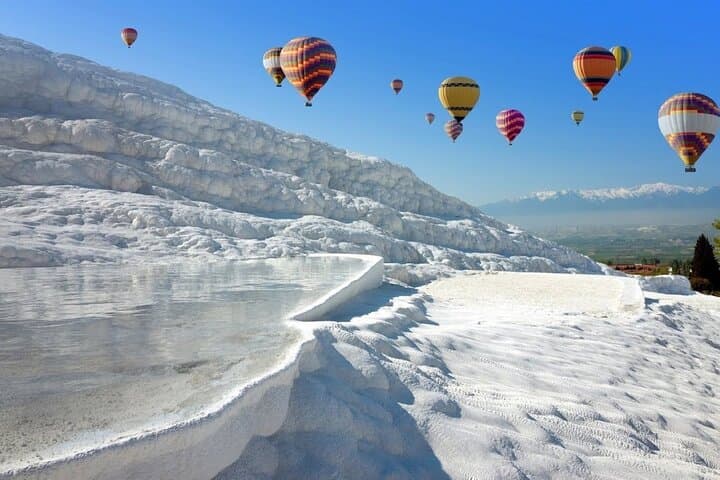
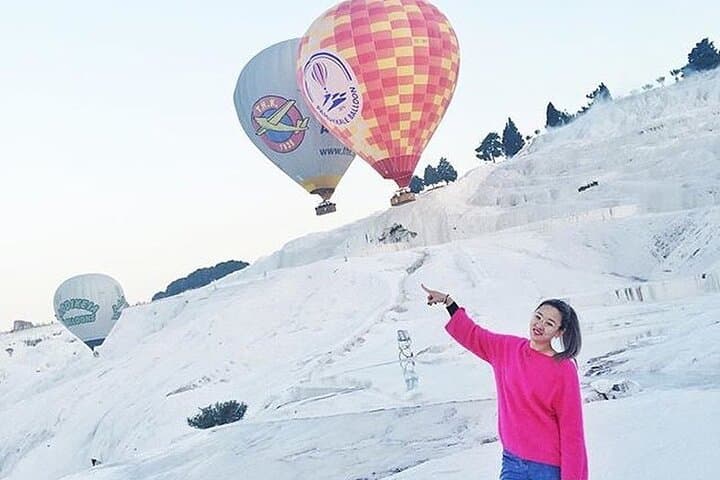
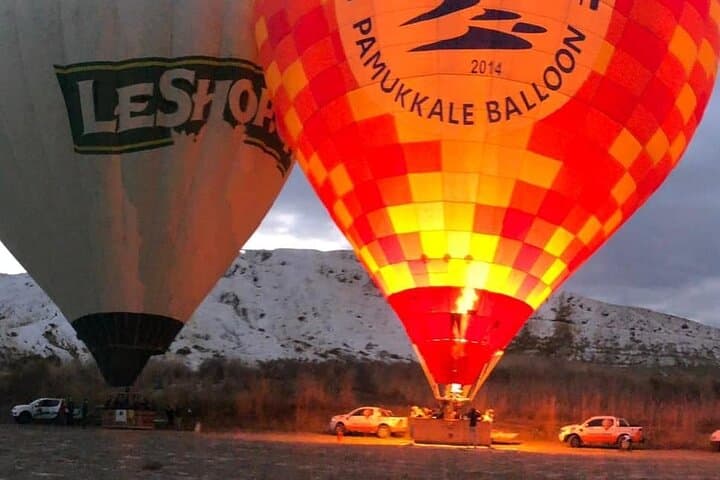
The balloon lifts at first light and Pamukkale opens beneath you like a slow, luminous tide — terraces of white travertine catch the orange wash while steam from thermal springs drifts through stone ruins. From the basket, the ancient city of Hierapolis unfolds in grid and ruin: the theatre, the necropolis, and the thermal pools that once drew Roman pilgrims. The valley breathes; the wind nudges the balloon and the terraces seem to ripple.
Verified experiences and guided adventures in the surrounding area.
Operated by OLENDA TRAVEL · Pamukkale, Denizli Province
The balloon lifts at first light and Pamukkale opens beneath you like a slow, luminous tide — terraces of white travertine catch the orange wash while steam from thermal springs drifts through stone ruins. From the basket, the ancient city of Hierapolis unfolds in grid and ruin: the theatre, the necropolis, and the thermal pools that once drew Roman pilgrims. The valley breathes; the wind nudges the balloon and the terraces seem to ripple.
Hierapolis grew around the calcium-rich springs, a healing and spiritual centre from Hellenistic times through the Roman era. The travertines are a geological ledger: mineral-laden waters depositing layers of calcium carbonate over millennia to create terraces and basins. The nearby red waters of Karahayıt and the antique pool reveal different mineral stories at close range. Local culture is shaped by thermal bathing and archaeology — a mix of rural Anatolian life and tourism infrastructure in Denizli province.
Practically, expect an early pickup around 7:00 a.m., an air-conditioned transfer, a pre-flight photo window and a roughly 60-minute airborne route that may pass directly above Hierapolis and the white terraces. Flights are weather-dependent and canceled in high winds. Bring layered clothing for cool morning air, a secure way to carry a camera, and ID/passport for booking. Pregnant travelers should avoid ballooning. Wear comfortable, flat shoes for climbing into the basket and follow the pilot’s safety briefing.
A balloon ride here is brief but panoramic — a quiet, elevated survey of geology, history and thermal landscapes that rewards early mornings and clear skies.
easy.
1 hour (flight); 2–3 hours total including transfers.
No special fitness required beyond standing for the flight and climbing into a low-sided basket
The flight itself is approximately 60 minutes; allow 2–3 hours total including hotel pickup and transfers.
Flights follow strict safety and weather protocols; pilots cancel for high winds or low visibility and reschedule or refund per policy.
This operator does not recommend hot air ballooning for pregnant travelers; check with your doctor and the operator’s restrictions.
The flight offers aerial views of Hierapolis and the travertines; on-ground admission to archaeological sites or pools is typically not included in the flight price.
Hierapolis developed from the Hellenistic period into a Roman healing centre built around thermal springs; the site preserves a large theatre, necropolis and bath complexes.
The travertines are sensitive to water diversion and heavy foot traffic; site managers restrict access and route water flow to preserve deposits and maintain natural deposition patterns.
OLENDA TRAVEL operates guided outdoor trips and adventures with an emphasis on safety, stewardship, and memorable experiences.

The balloon lifts at first light and Pamukkale opens beneath you like a slow, luminous tide — terraces of white travertine catch the orange wash while steam from thermal springs drifts through stone ruins. From the basket, the ancient city of Hierapolis unfolds in grid and ruin: the theatre, the necropolis, and the thermal pools that once drew Roman pilgrims. The valley breathes; the wind nudges the balloon and the terraces seem to ripple.
The balloon lifts at first light and Pamukkale opens beneath you like a slow, luminous tide — terraces of white travertine catch the orange wash while steam from thermal springs drifts through stone ruins. From the basket, the ancient city of Hierapolis unfolds in grid and ruin: the theatre, the necropolis, and the thermal pools that once drew Roman pilgrims. The valley breathes; the wind nudges the balloon and the terraces seem to ripple.
Hierapolis grew around the calcium-rich springs, a healing and spiritual centre from Hellenistic times through the Roman era. The travertines are a geological ledger: mineral-laden waters depositing layers of calcium carbonate over millennia to create terraces and basins. The nearby red waters of Karahayıt and the antique pool reveal different mineral stories at close range. Local culture is shaped by thermal bathing and archaeology — a mix of rural Anatolian life and tourism infrastructure in Denizli province.
Practically, expect an early pickup around 7:00 a.m., an air-conditioned transfer, a pre-flight photo window and a roughly 60-minute airborne route that may pass directly above Hierapolis and the white terraces. Flights are weather-dependent and canceled in high winds. Bring layered clothing for cool morning air, a secure way to carry a camera, and ID/passport for booking. Pregnant travelers should avoid ballooning. Wear comfortable, flat shoes for climbing into the basket and follow the pilot’s safety briefing.
A balloon ride here is brief but panoramic — a quiet, elevated survey of geology, history and thermal landscapes that rewards early mornings and clear skies.