THE ADVENTURE COLLECTIVE® · Independent discovery and booking for outdoor travel

A full-day small-group tour from Kusadasi to Pamukkale and ancient Hierapolis combining thermal pools, a mud bath lunch stop, and a guided walk among travertine terraces and Roman ruins. Ideal for travelers wanting comfort, fewer crowds, and hands-on local insight.
A full-day small-group tour from Kusadasi to Pamukkale and ancient Hierapolis combining thermal pools, a mud bath lunch stop, and a guided walk among travertine terraces and Roman ruins. Ideal for travelers wanting comfort, fewer crowds, and hands-on local insight.
Morning light strips across white calcium terraces as the minibus eases into view: the travertines of Pamukkale glint like frozen steam and the columns of Hierapolis stand patient behind them. Participants step down from the Mercedes Sprinter and feel warm mineral air on their faces — a day that moves from restorative thermal pools to the field-work of archaeology.
Verified experiences and guided adventures in the surrounding area.
Operated by New Happy Days Travel · Pamukkale, Denizli
Morning light strips across white calcium terraces as the minibus eases into view: the travertines of Pamukkale glint like frozen steam and the columns of Hierapolis stand patient behind them. Participants step down from the Mercedes Sprinter and feel warm mineral air on their faces — a day that moves from restorative thermal pools to the field-work of archaeology.
Geology here is visible time: millennia of calcium-rich spring water have built stepped, milky shelves where shallow pools reflect sky. The nearby Roman and Hellenistic remains of Hierapolis — theater, baths, necropolis — trace cultural layers from Greek colonists to Roman spa culture. Locals have long prized these thermal waters for health and ritual; Cleopatra’s pool, filled with submerged columns, is a story sold with the site.
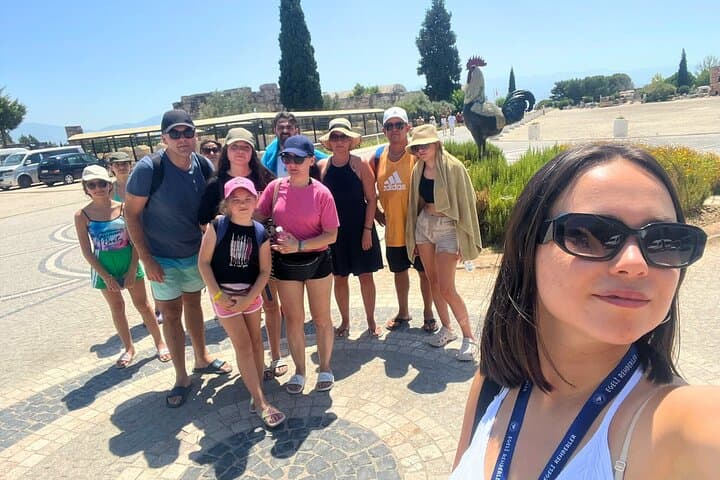
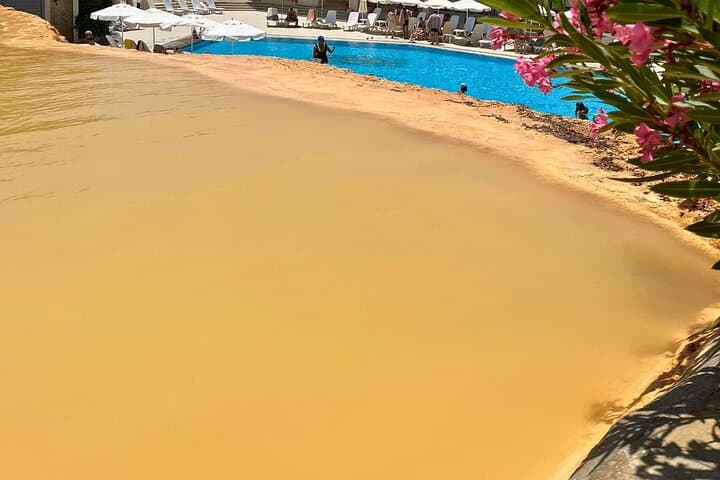
On this small-group tour, expect guided walks over fragile travertine (soft-soled shoes are required off wet terraces), a sit-down buffet lunch at a thermal hotel and a supervised mud-bath soak before guided exploration of ruins. Note that park entrance and optional ancient-pool swim fees are extra; the guide helps with skips and tickets.
Practical rhythm: arrive early afternoon for better light and fewer crowds, bring sun protection and a reusable water bottle, and limit soaps or lotions before thermal dips to protect springs. The day is long — 11–12 hours including a 3-hour drive each way — but balanced with comfort breaks and free time for photography. For travelers seeking a compact blend of natural spectacle and layered history, this route delivers measurable rewards without the big-bus crush.
moderate.
11–12 hours.
Moderate fitness recommended — able to walk on uneven surfaces and handle a long day with a few stairs and short uphill sections
No — park entrance and optional ancient pool swim fees are paid at the gate; the guide assists with ticket purchase.
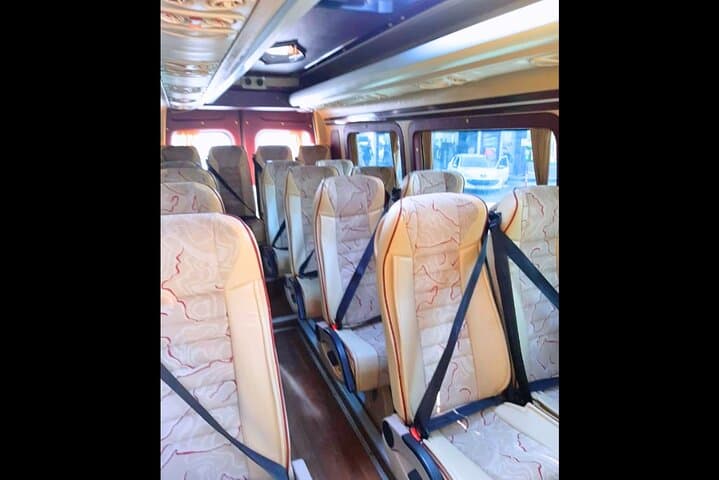
Yes — the tour includes round-trip pickup and drop-off from selected Kusadasi hotels and the cruise port; confirm pickup point at booking.
Yes, there’s an optional paid swim in the ancient pool with submerged columns; availability and fee vary and are paid on-site.
The mud baths are generally safe, but not recommended for pregnant travelers or those with serious heart or spinal conditions as noted by the operator.
Hierapolis grew as a Roman spa city built on a Hellenistic settlement; necropoleis and theaters reflect its role as both a health center and regional hub.
Travertine formations are sensitive to soaps and oils — visitors must follow park rules to protect mineral deposition; local guides work with authorities to channel foot traffic and reduce erosion.
New Happy Days Travel operates guided outdoor trips and adventures with an emphasis on safety, stewardship, and memorable experiences.
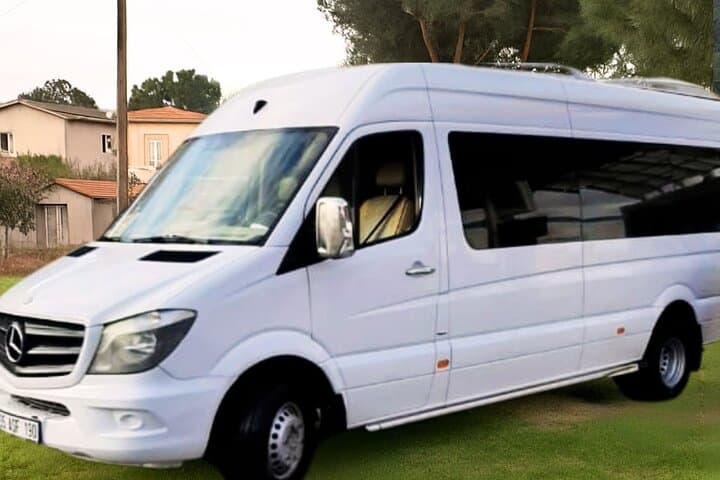
Morning light strips across white calcium terraces as the minibus eases into view: the travertines of Pamukkale glint like frozen steam and the columns of Hierapolis stand patient behind them. Participants step down from the Mercedes Sprinter and feel warm mineral air on their faces — a day that moves from restorative thermal pools to the field-work of archaeology.
Morning light strips across white calcium terraces as the minibus eases into view: the travertines of Pamukkale glint like frozen steam and the columns of Hierapolis stand patient behind them. Participants step down from the Mercedes Sprinter and feel warm mineral air on their faces — a day that moves from restorative thermal pools to the field-work of archaeology.
Geology here is visible time: millennia of calcium-rich spring water have built stepped, milky shelves where shallow pools reflect sky. The nearby Roman and Hellenistic remains of Hierapolis — theater, baths, necropolis — trace cultural layers from Greek colonists to Roman spa culture. Locals have long prized these thermal waters for health and ritual; Cleopatra’s pool, filled with submerged columns, is a story sold with the site.
On this small-group tour, expect guided walks over fragile travertine (soft-soled shoes are required off wet terraces), a sit-down buffet lunch at a thermal hotel and a supervised mud-bath soak before guided exploration of ruins. Note that park entrance and optional ancient-pool swim fees are extra; the guide helps with skips and tickets.
Practical rhythm: arrive early afternoon for better light and fewer crowds, bring sun protection and a reusable water bottle, and limit soaps or lotions before thermal dips to protect springs. The day is long — 11–12 hours including a 3-hour drive each way — but balanced with comfort breaks and free time for photography. For travelers seeking a compact blend of natural spectacle and layered history, this route delivers measurable rewards without the big-bus crush.