THE ADVENTURE COLLECTIVE® · Independent discovery and booking for outdoor travel

Walk the surreal white travertine terraces and explore the ancient spa city of Hierapolis on a full-day trip. This practical guide explains what to expect—terrain, timing, fees and what to pack—so you can enjoy the springs without harming them.
Walk the surreal white travertine terraces and explore the ancient spa city of Hierapolis on a full-day trip. This practical guide explains what to expect—terrain, timing, fees and what to pack—so you can enjoy the springs without harming them.
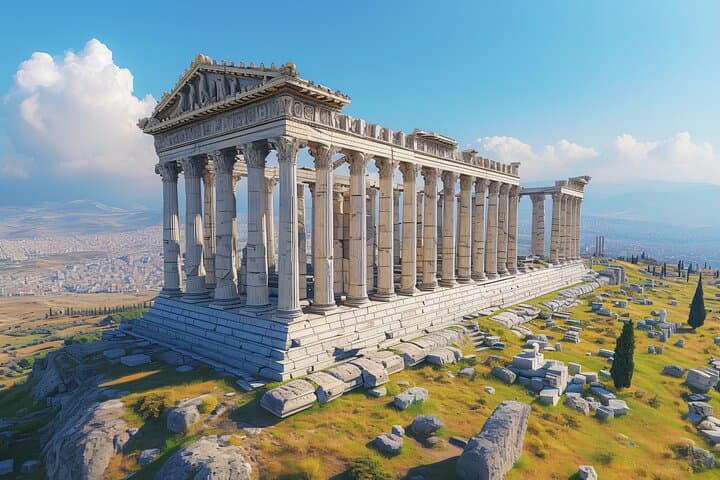
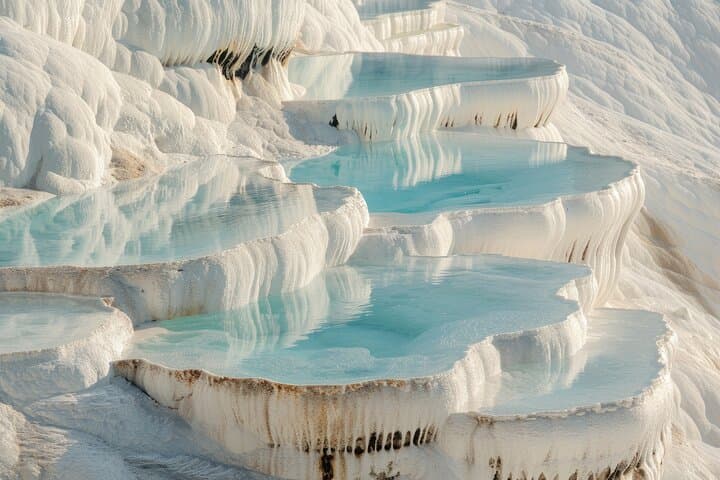
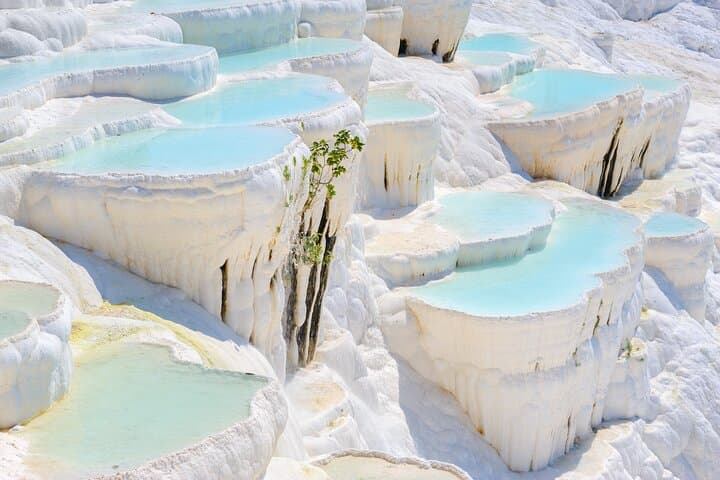
A crisp white stage unfolds as the bus eases onto the plateau: terraces of glistening calcium carbonate sweep away in shallow basins, the thermal waters moving like pale glass across them, daring you to slow down and step closer. From the viewing terraces the ruins of Hierapolis rise behind the travertines—columns, baths and a broad colonnaded street that still hold the shape of a city built around spring water.
Verified experiences and guided adventures in the surrounding area.
Operated by Travel LYKKE · Pamukkale, Denizli Province
A crisp white stage unfolds as the bus eases onto the plateau: terraces of glistening calcium carbonate sweep away in shallow basins, the thermal waters moving like pale glass across them, daring you to slow down and step closer. From the viewing terraces the ruins of Hierapolis rise behind the travertines—columns, baths and a broad colonnaded street that still hold the shape of a city built around spring water.
Hierapolis was founded in the 2nd century BCE as a Roman spa town; its necropolis is one of the largest in Anatolia, with ornate sarcophagi that speak to a culture that treated death with ritual and craftsmanship. Geologically, the Pamukkale formations are active travertine—calcium-rich hot springs deposit layers year after year, building the stair-like white cascades visitors now walk beside (with restrictions).
Locally, small restaurants serve hearty Turkish lentil soup and gozleme; the red springs of Karahayit lie a short drive away and contrast sharply with Pamukkale’s white. Photography is best in the morning or late afternoon when light sculpts the terraces without washing them out.
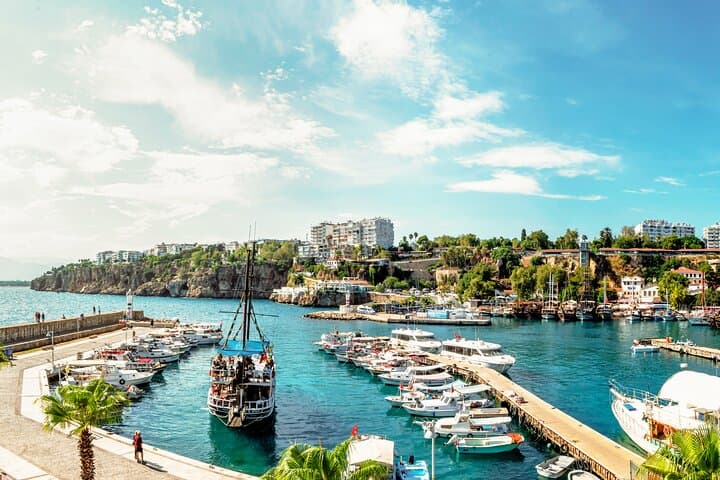
Practicalities: expect about a 6‑hour excursion with periods of standing and moderate walking on slick stone and paved archaeological paths. Entrance for some areas is included, but access to wade in the primary pools can be restricted or require an extra fee. Wear grippy shoes you can remove, carry water and sun protection, and follow signage—walking only on designated paths preserves fragile deposits. If you have mobility limits, note parts of Hierapolis have uneven steps; organized transport typically provides air-conditioned vehicles and optional drop-off in Antalya at the end of the day.
easy.
6 hours.
Suitable for average fitness: includes walking over uneven stone and short stair sections; not strenuous.
The tour typically includes entrance to the archaeological site; access to certain thermal pools or special areas may require an additional fee—confirm with the operator.
Yes, but only on designated sections where shoes are removed; other zones are off-limits to protect the formations.
The tour is family-friendly and generally easy, but uneven steps and slippery surfaces can challenge very young children and those with mobility issues—check accessibility options when booking.
Carry some lira for small purchases, entrance extras and tips; most organized tour payments are handled in advance but vendors may prefer cash.
Hierapolis became a major Roman spa town in the 2nd century BCE and later grew around its thermal springs; the necropolis reflects its long funerary traditions.
Pamukkale’s travertines are fragile; visitor routes and shoe rules were introduced to limit erosion—follow local guidelines to protect the formations.
Travel LYKKE operates guided outdoor trips and adventures with an emphasis on safety, stewardship, and memorable experiences.
A crisp white stage unfolds as the bus eases onto the plateau: terraces of glistening calcium carbonate sweep away in shallow basins, the thermal waters moving like pale glass across them, daring you to slow down and step closer. From the viewing terraces the ruins of Hierapolis rise behind the travertines—columns, baths and a broad colonnaded street that still hold the shape of a city built around spring water.
A crisp white stage unfolds as the bus eases onto the plateau: terraces of glistening calcium carbonate sweep away in shallow basins, the thermal waters moving like pale glass across them, daring you to slow down and step closer. From the viewing terraces the ruins of Hierapolis rise behind the travertines—columns, baths and a broad colonnaded street that still hold the shape of a city built around spring water.
Hierapolis was founded in the 2nd century BCE as a Roman spa town; its necropolis is one of the largest in Anatolia, with ornate sarcophagi that speak to a culture that treated death with ritual and craftsmanship. Geologically, the Pamukkale formations are active travertine—calcium-rich hot springs deposit layers year after year, building the stair-like white cascades visitors now walk beside (with restrictions).
Locally, small restaurants serve hearty Turkish lentil soup and gozleme; the red springs of Karahayit lie a short drive away and contrast sharply with Pamukkale’s white. Photography is best in the morning or late afternoon when light sculpts the terraces without washing them out.
Practicalities: expect about a 6‑hour excursion with periods of standing and moderate walking on slick stone and paved archaeological paths. Entrance for some areas is included, but access to wade in the primary pools can be restricted or require an extra fee. Wear grippy shoes you can remove, carry water and sun protection, and follow signage—walking only on designated paths preserves fragile deposits. If you have mobility limits, note parts of Hierapolis have uneven steps; organized transport typically provides air-conditioned vehicles and optional drop-off in Antalya at the end of the day.