THE ADVENTURE COLLECTIVE® · Independent discovery and booking for outdoor travel

Two days that pair Pamukkale’s otherworldly white terraces with the marble streets of Ephesus. Ideal for history lovers who want thermal waters and classical ruins in a compact, well‑organized itinerary.
Two days that pair Pamukkale’s otherworldly white terraces with the marble streets of Ephesus. Ideal for history lovers who want thermal waters and classical ruins in a compact, well‑organized itinerary.
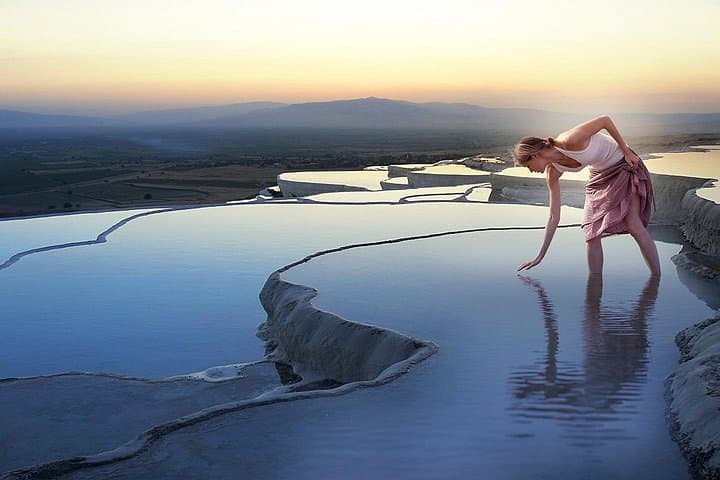
You arrive before dawn and the terraces are a pale ribbon on the slope—white calcite pools catching the first light while the ruins of Hierapolis watch from above. The air smells faintly of mineral and thyme; the hot springs hiss like a promise. Over the next 48 hours you move between epochs: steam-warmed travertine bowls, Roman mosaics, and a seaside town that keeps one eye on the Aegean.
Verified experiences and guided adventures in the surrounding area.
Operated by Turkey Experiences · Pamukkale, Denizli Province
You arrive before dawn and the terraces are a pale ribbon on the slope—white calcite pools catching the first light while the ruins of Hierapolis watch from above. The air smells faintly of mineral and thyme; the hot springs hiss like a promise. Over the next 48 hours you move between epochs: steam-warmed travertine bowls, Roman mosaics, and a seaside town that keeps one eye on the Aegean.
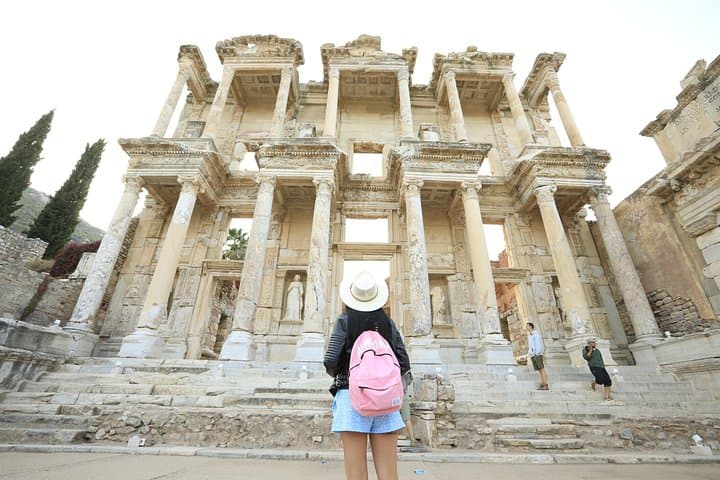
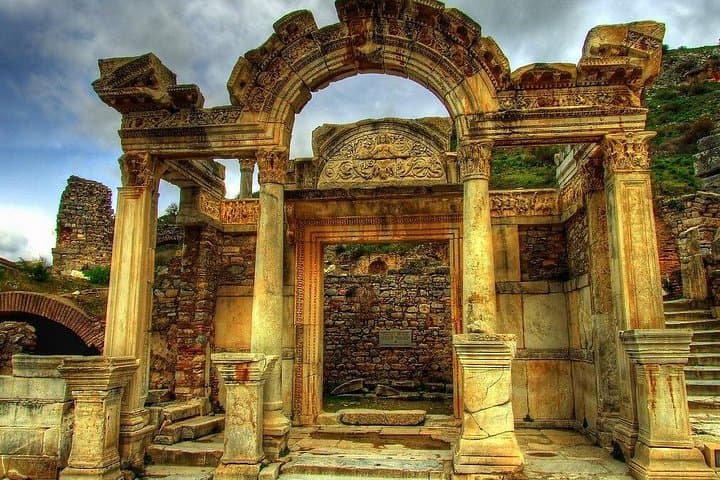
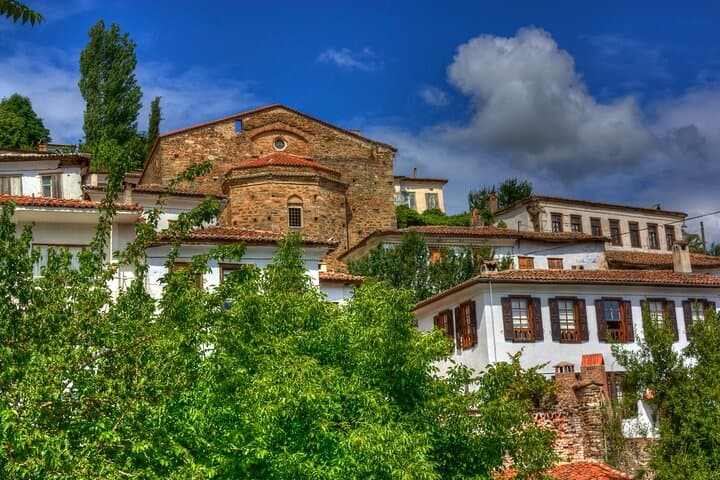
Pamukkale’s travertines formed as calcium-rich thermal water cooled and deposited terraces over millennia; Hierapolis grew atop them as a healing city in Roman times. Ephesus, by contrast, was a bustling Mediterranean port and a Roman administrative center—its Celsus Library and theater articulate the scale of ancient civic life. Local culture mixes Aegean hospitality with village crafts—Şirince’s fruit wines and Selçuk’s carved stonework are everyday expressions of that legacy.
Practically: expect lots of walking on uneven stone and boardwalks, and mandatory barefoot sections on the travertines to protect the carbonate crust. Mornings and late afternoons deliver the best light and smaller crowds; mid-day can be hot and bright. Wear sturdy, quick-dry shoes you can carry, sun protection, and a light layer for breeze off the bay. Hydrate—thermal landscapes and archaeological sites are deceptively tiring.
Guides handle logistics—domestic flights, hotel transfers, and entrée timing—so you can focus on place and pace. Whether you pause for a thermal soak, an olive-scented lunch, or a glass of Şirince wine, this two-day route stacks geological spectacle and classical history into a compact, highly walkable Aegean experience.
moderate.
2 days.
Suitable for travelers with moderate fitness—expect several hours of walking on uneven surfaces and some stairs.
Some site admissions are included by the tour operator; check your booking details—optional extras like the Antique Pool are paid on site.
Swimming in the natural white pools is restricted to protect the formations; the paid Antique Pool offers a thermal swim in clear waters.
Many archaeological areas have uneven stone and steps; full accessibility is limited—contact the operator for mobility assistance options.
Yes—this itinerary offers an optional flight connection from Izmir to Cappadocia instead of returning to Istanbul; notify the operator in advance to arrange transfers.
Hierapolis was a Roman spa town built over thermal springs; Ephesus served as a major Roman port and administrative center with the famed Celsus Library and theater.
Pamukkale and Hierapolis are UNESCO protected; water flow to terraces is controlled and barefoot rules exist to minimize damage—stick to designated paths and avoid leaving trash.
Turkey Experiences operates guided outdoor trips and adventures with an emphasis on safety, stewardship, and memorable experiences.
You arrive before dawn and the terraces are a pale ribbon on the slope—white calcite pools catching the first light while the ruins of Hierapolis watch from above. The air smells faintly of mineral and thyme; the hot springs hiss like a promise. Over the next 48 hours you move between epochs: steam-warmed travertine bowls, Roman mosaics, and a seaside town that keeps one eye on the Aegean.
You arrive before dawn and the terraces are a pale ribbon on the slope—white calcite pools catching the first light while the ruins of Hierapolis watch from above. The air smells faintly of mineral and thyme; the hot springs hiss like a promise. Over the next 48 hours you move between epochs: steam-warmed travertine bowls, Roman mosaics, and a seaside town that keeps one eye on the Aegean.
Pamukkale’s travertines formed as calcium-rich thermal water cooled and deposited terraces over millennia; Hierapolis grew atop them as a healing city in Roman times. Ephesus, by contrast, was a bustling Mediterranean port and a Roman administrative center—its Celsus Library and theater articulate the scale of ancient civic life. Local culture mixes Aegean hospitality with village crafts—Şirince’s fruit wines and Selçuk’s carved stonework are everyday expressions of that legacy.
Practically: expect lots of walking on uneven stone and boardwalks, and mandatory barefoot sections on the travertines to protect the carbonate crust. Mornings and late afternoons deliver the best light and smaller crowds; mid-day can be hot and bright. Wear sturdy, quick-dry shoes you can carry, sun protection, and a light layer for breeze off the bay. Hydrate—thermal landscapes and archaeological sites are deceptively tiring.
Guides handle logistics—domestic flights, hotel transfers, and entrée timing—so you can focus on place and pace. Whether you pause for a thermal soak, an olive-scented lunch, or a glass of Şirince wine, this two-day route stacks geological spectacle and classical history into a compact, highly walkable Aegean experience.