THE ADVENTURE COLLECTIVE® · Independent discovery and booking for outdoor travel

A full‑day excursion from Kuşadası to Pamukkale delivers surreal white travertine terraces, Roman Hierapolis ruins and warm thermal pools. Plan for long transfers, a mix of guided stops and free time, and strict rules for walking on the fragile terraces.
A full‑day excursion from Kuşadası to Pamukkale delivers surreal white travertine terraces, Roman Hierapolis ruins and warm thermal pools. Plan for long transfers, a mix of guided stops and free time, and strict rules for walking on the fragile terraces.
You step off the bus into a landscape that looks almost engineered out of snow: broad, white travertine terraces tiered like shallow pools carved by time. Warm mineral water beads along the edges and steam rises in thin veils on cool mornings. The air smells faintly of sulfur, and the stone underfoot is smooth where water has polished it for millennia.
Verified experiences and guided adventures in the surrounding area.
Operated by Payless · Pamukkale, Denizli Province
You step off the bus into a landscape that looks almost engineered out of snow: broad, white travertine terraces tiered like shallow pools carved by time. Warm mineral water beads along the edges and steam rises in thin veils on cool mornings. The air smells faintly of sulfur, and the stone underfoot is smooth where water has polished it for millennia.
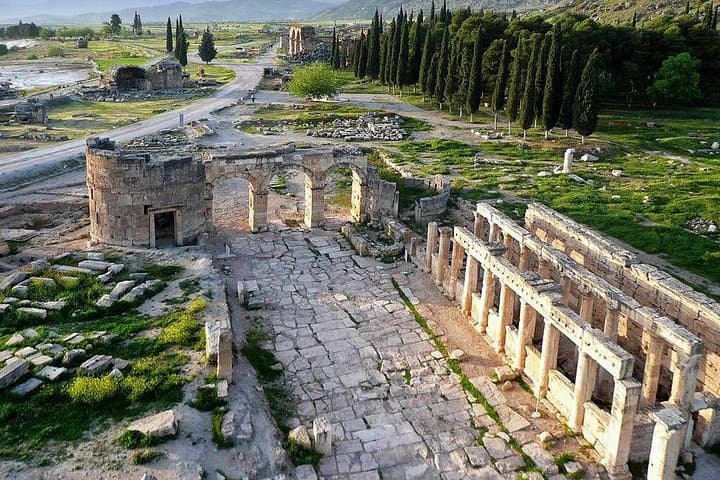
This is Pamukkale — the “Cotton Castle” — formed by calcium-rich springs that deposited terraces over tens of thousands of years. Above the travertines sit the ruins of Hierapolis, a Greco‑Roman spa city founded in the Hellenistic period and later enriched under Rome; you’ll see the theatre, the Temple of Apollo and the Martyrium of Saint Philip. Nearby Karahayıt’s red thermal springs and the lesser-seen necropolis hint at local craft and funerary cultures tied to a long bathing tradition.
Practically, expect a comfortable three-hour transfer from Kuşadası each way and around 3–4 hours on site to mix guided stops with free time. Footwear must be removed on protected terraces; a separate fee applies for Cleopatra’s Pool. Lunch is usually an open buffet en route or on site, and English-speaking guides explain geology and history.
Plan for sun, slippery stone and changing crowds: carry a refillable water bottle, sun protection, lightweight shoes that slip on and off easily, and swimwear for a thermal dip. Move deliberately on the terraces, respect signage and avoid soaps or lotions in thermal water to help preserve this UNESCO World Heritage site.
easy.
11–12 hours.
Suitable for travelers in general good health who can walk on uneven, sometimes slippery surfaces for a few hours.
Entrance fees are commonly not included in basic tour prices—confirm with your operator. Expect to pay an entry fee at the park, and Cleopatra’s Pool typically charges an additional separate fee.
Yes, to protect the travertine the park requires visitors to remove shoes while on the terraces; carry easy-to-remove footwear and socks for the bus.
The drive is about three hours each way; the full-day tour generally runs 11–12 hours including transfers, visits and lunch.
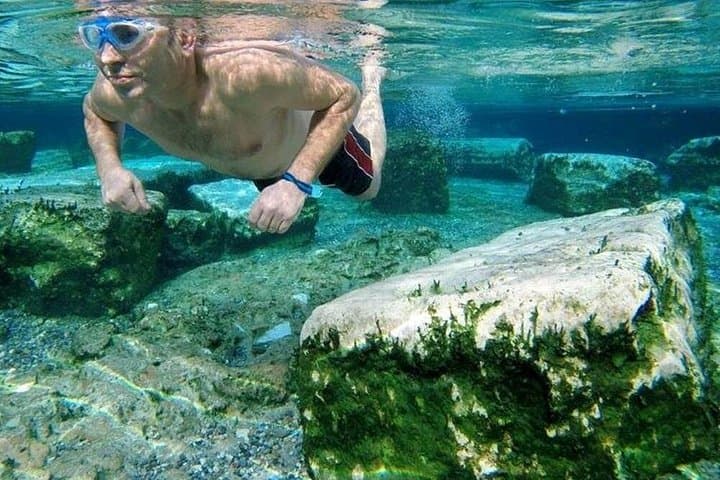
You can bathe in designated thermal pools and the Cleopatra’s Pool, but rules and fees vary—bring swimwear and check with your guide about access and changing facilities.
Hierapolis developed as a Roman spa city on top of travertine terraces, attracting pilgrims and bathers; the site later became an important early Christian center with the Martyrium of Saint Philip.
Water flow is managed to protect fragile terraces and visitors are required to remove shoes and avoid soaps or lotions to limit damage to the travertine deposits.
Payless operates guided outdoor trips and adventures with an emphasis on safety, stewardship, and memorable experiences.
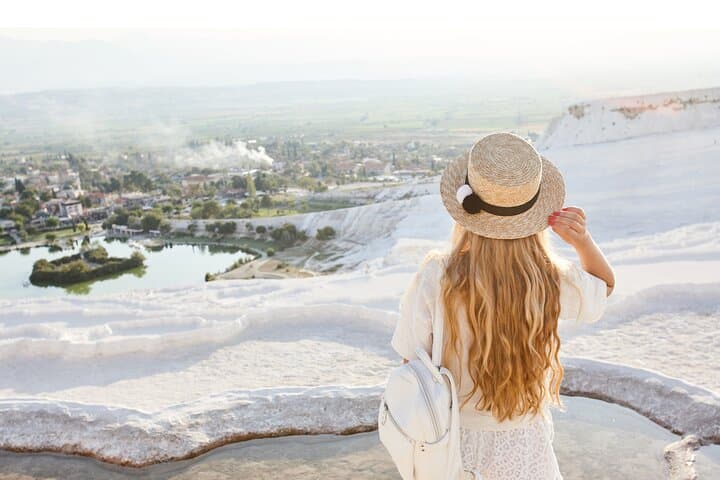
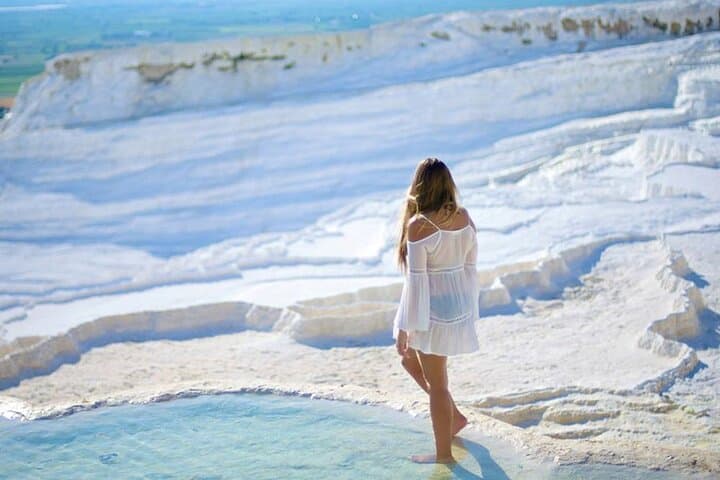
You step off the bus into a landscape that looks almost engineered out of snow: broad, white travertine terraces tiered like shallow pools carved by time. Warm mineral water beads along the edges and steam rises in thin veils on cool mornings. The air smells faintly of sulfur, and the stone underfoot is smooth where water has polished it for millennia.
You step off the bus into a landscape that looks almost engineered out of snow: broad, white travertine terraces tiered like shallow pools carved by time. Warm mineral water beads along the edges and steam rises in thin veils on cool mornings. The air smells faintly of sulfur, and the stone underfoot is smooth where water has polished it for millennia.
This is Pamukkale — the “Cotton Castle” — formed by calcium-rich springs that deposited terraces over tens of thousands of years. Above the travertines sit the ruins of Hierapolis, a Greco‑Roman spa city founded in the Hellenistic period and later enriched under Rome; you’ll see the theatre, the Temple of Apollo and the Martyrium of Saint Philip. Nearby Karahayıt’s red thermal springs and the lesser-seen necropolis hint at local craft and funerary cultures tied to a long bathing tradition.
Practically, expect a comfortable three-hour transfer from Kuşadası each way and around 3–4 hours on site to mix guided stops with free time. Footwear must be removed on protected terraces; a separate fee applies for Cleopatra’s Pool. Lunch is usually an open buffet en route or on site, and English-speaking guides explain geology and history.
Plan for sun, slippery stone and changing crowds: carry a refillable water bottle, sun protection, lightweight shoes that slip on and off easily, and swimwear for a thermal dip. Move deliberately on the terraces, respect signage and avoid soaps or lotions in thermal water to help preserve this UNESCO World Heritage site.