THE ADVENTURE COLLECTIVE® · Independent discovery and booking for outdoor travel

See Pamukkale’s gleaming travertines and the ruins of Hierapolis on a single-day trip from Istanbul. Short domestic flights and guided transfers make this an efficient way to combine geology, history and a soak in Cleopatra’s Pool.
See Pamukkale’s gleaming travertines and the ruins of Hierapolis on a single-day trip from Istanbul. Short domestic flights and guided transfers make this an efficient way to combine geology, history and a soak in Cleopatra’s Pool.
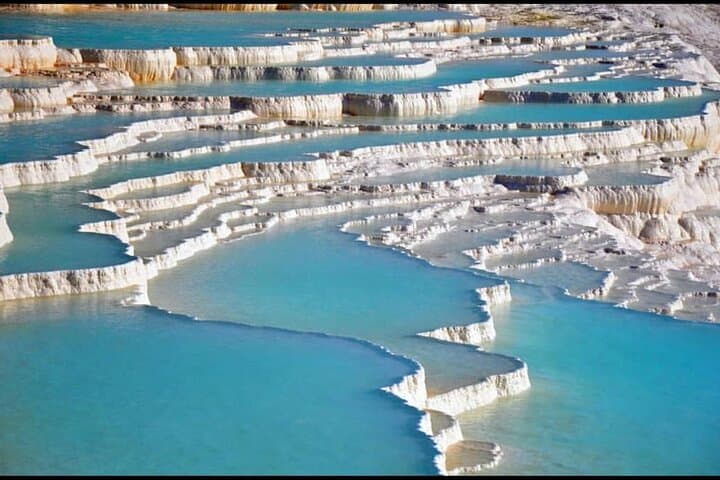
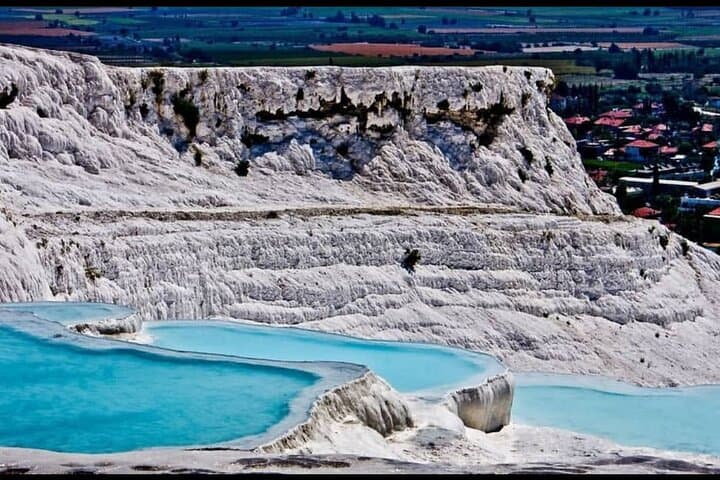
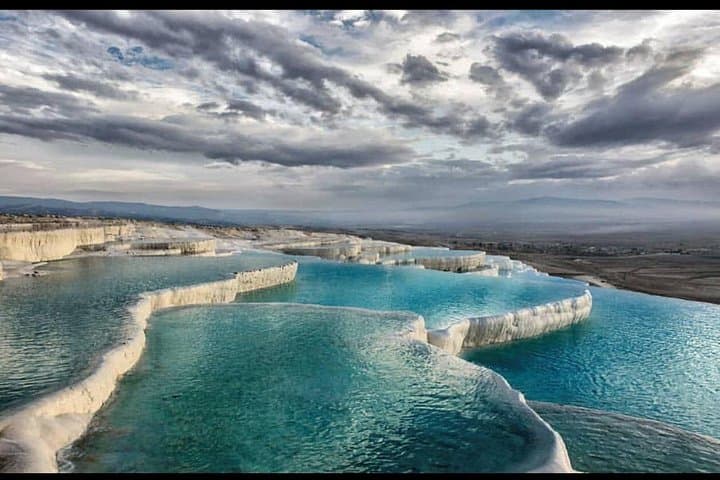
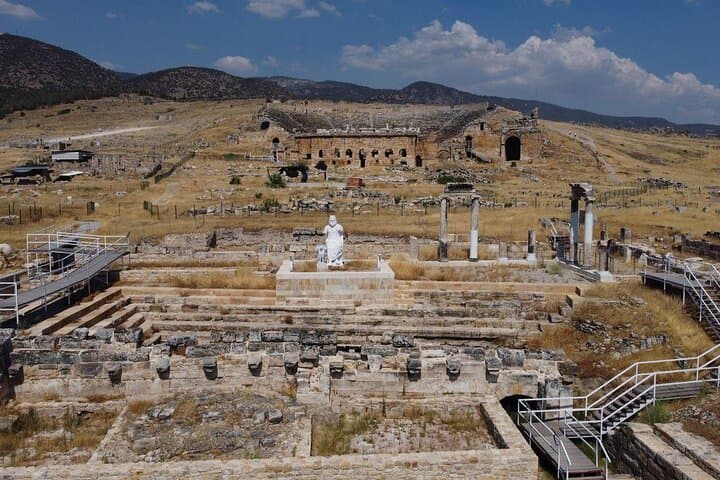
You step off a short domestic flight into a wind that carries mineral heat and sunlight across white terraces—Pamukkale’s travertines gleam like a frozen river daring you to climb. The tourism shuttle eases along low ridgelines and the ancient stones of Hierapolis rise behind the terraces, their columns and theatre offering cool shade against the bright calcium slopes.
Verified experiences and guided adventures in the surrounding area.
Operated by CENGO · Pamukkale, Denizli Province
You step off a short domestic flight into a wind that carries mineral heat and sunlight across white terraces—Pamukkale’s travertines gleam like a frozen river daring you to climb. The tourism shuttle eases along low ridgelines and the ancient stones of Hierapolis rise behind the terraces, their columns and theatre offering cool shade against the bright calcium slopes.
Hierapolis began as a sacred Roman spa city built above natural hot springs. Over millennia, carbonate-rich water cooled and lost carbon dioxide, leaving the stepped travertine pools that give Pamukkale its name—"cotton castle." Archaeological highlights include the theater, the Temple of Apollo, the extensive necropolis, and the Plutonium; the layers of limestone are geology you can walk on, and the pools still flow at roughly 35°C in places.
Expect a mix of cultural touring and light outdoor movement: guided walks on uneven limestone, stairs through Roman ruins and optional swims in Cleopatra’s antique pool (small extra fee). Local culture in Denizli province blends Aegean agriculture with long spa traditions; small villages around Karahayit offer red thermal waters and quiet lunch stops.
Practical guidance: wear sturdy sandals or closed shoes with good grip for the travertines, pack swimwear and a towel if you plan to use the thermal pool, and bring sun protection—the white surface reflects heat. Domestic flights and hotel pickup are arranged, so keep passport copies handy for booking. Plan an early morning departure from Istanbul to avoid crowds and the hottest midday hours; carry water and move deliberately over wet, slippery limestone.
moderate.
8–16 hours.
Suitable for travelers with basic walking stamina; expect uneven terrain, steps and short uphill sections.
The tour uses a short domestic flight (about one hour) to Denizli followed by roughly an hour’s drive to Pamukkale; the full day tour typically runs 8–16 hours depending on flight times.
Swimming is optional and may incur an additional fee; the itinerary often allows free time to decide on-site.
Visitors must remove shoes on some terraces and watch for wet, slippery sections; non-slip footwear and careful steps are recommended.
The tour involves uneven surfaces and steps; it is not recommended for those with serious back, heart conditions, or limited mobility—check with the operator for accommodations.
Hierapolis was founded as a healing cult city in the Hellenistic period and expanded under Rome into a major thermal and religious center, its ruins reflecting centuries of spa culture.
The site is managed to balance tourism with preservation—walking routes and access rules protect fragile travertine formations; avoid sunscreen-heavy swimming to limit chemical impact on springs.
CENGO operates guided outdoor trips and adventures with an emphasis on safety, stewardship, and memorable experiences.
You step off a short domestic flight into a wind that carries mineral heat and sunlight across white terraces—Pamukkale’s travertines gleam like a frozen river daring you to climb. The tourism shuttle eases along low ridgelines and the ancient stones of Hierapolis rise behind the terraces, their columns and theatre offering cool shade against the bright calcium slopes.
You step off a short domestic flight into a wind that carries mineral heat and sunlight across white terraces—Pamukkale’s travertines gleam like a frozen river daring you to climb. The tourism shuttle eases along low ridgelines and the ancient stones of Hierapolis rise behind the terraces, their columns and theatre offering cool shade against the bright calcium slopes.
Hierapolis began as a sacred Roman spa city built above natural hot springs. Over millennia, carbonate-rich water cooled and lost carbon dioxide, leaving the stepped travertine pools that give Pamukkale its name—"cotton castle." Archaeological highlights include the theater, the Temple of Apollo, the extensive necropolis, and the Plutonium; the layers of limestone are geology you can walk on, and the pools still flow at roughly 35°C in places.
Expect a mix of cultural touring and light outdoor movement: guided walks on uneven limestone, stairs through Roman ruins and optional swims in Cleopatra’s antique pool (small extra fee). Local culture in Denizli province blends Aegean agriculture with long spa traditions; small villages around Karahayit offer red thermal waters and quiet lunch stops.
Practical guidance: wear sturdy sandals or closed shoes with good grip for the travertines, pack swimwear and a towel if you plan to use the thermal pool, and bring sun protection—the white surface reflects heat. Domestic flights and hotel pickup are arranged, so keep passport copies handy for booking. Plan an early morning departure from Istanbul to avoid crowds and the hottest midday hours; carry water and move deliberately over wet, slippery limestone.