THE ADVENTURE COLLECTIVE® · Independent discovery and booking for outdoor travel

A full‑day excursion from Istanbul brings you to Pamukkale’s luminous travertine terraces and the ruins of Roman Hierapolis. This practical guide outlines what to expect—terrain, timing, and tips for making the most of the thermal pools and archaeological sites.
A full‑day excursion from Istanbul brings you to Pamukkale’s luminous travertine terraces and the ruins of Roman Hierapolis. This practical guide outlines what to expect—terrain, timing, and tips for making the most of the thermal pools and archaeological sites.
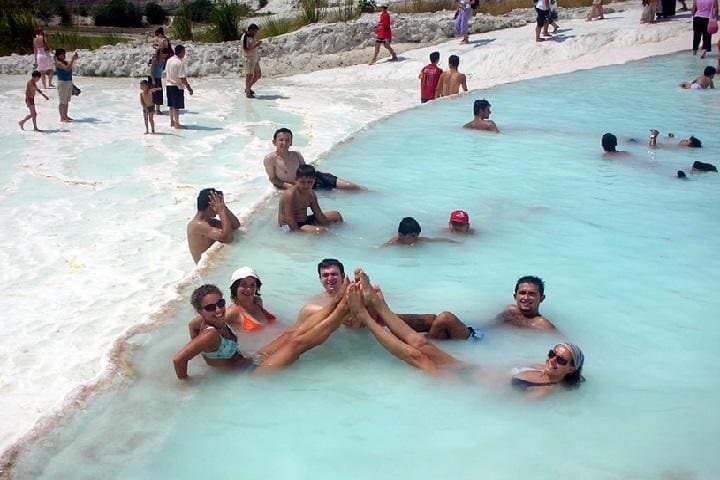
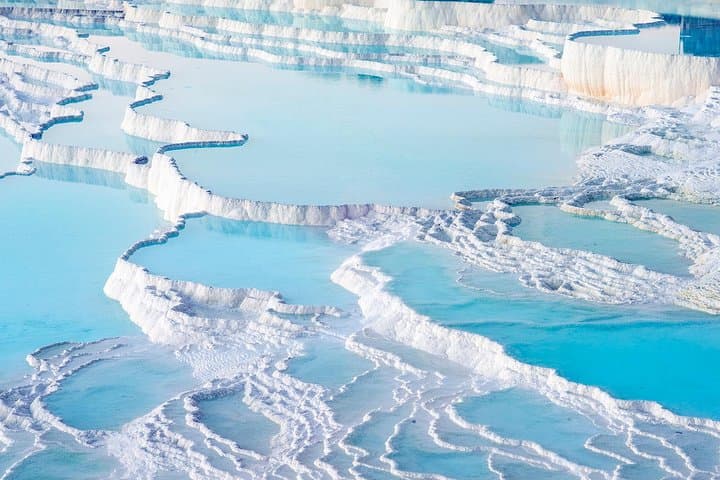
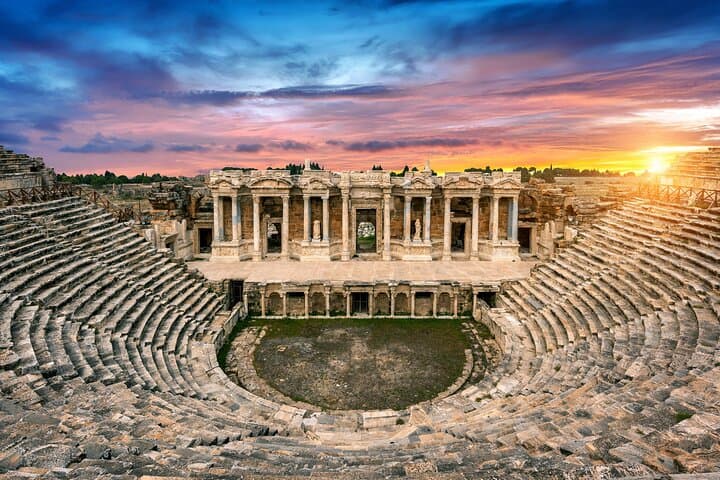
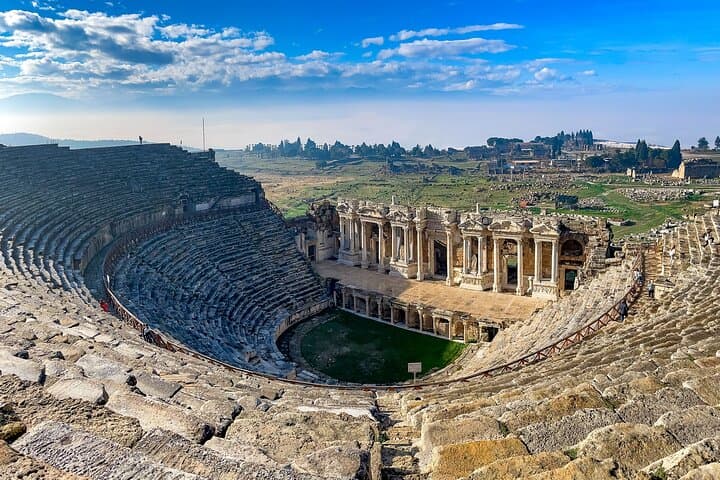
You arrive before the crowds, the white travertine steps glowing under a cool morning sun while steam rises from thermal pools that have been flowing for millennia. Walking barefoot across the calcium‑rich terraces feels deliberate—the water slick, the rock warm beneath your soles—and beyond the bright white, ruins of Hierapolis climb a ridge, stone blocks and colonnades still catching light where Roman and Byzantine visitors once lingered.
Verified experiences and guided adventures in the surrounding area.
Operated by HTR Tours Travel Agency · Pamukkale, Denizli
You arrive before the crowds, the white travertine steps glowing under a cool morning sun while steam rises from thermal pools that have been flowing for millennia. Walking barefoot across the calcium‑rich terraces feels deliberate—the water slick, the rock warm beneath your soles—and beyond the bright white, ruins of Hierapolis climb a ridge, stone blocks and colonnades still catching light where Roman and Byzantine visitors once lingered.
Pamukkale’s formations are a geological process you can watch in cross-section: hot, mineral‑laden springs deposit calcium carbonate that hardens into the terraces and basins visitors wade through today. The adjacent city of Hierapolis began as a Roman spa and burial site; its theater, necropolis and the small but focused Hierapolis Museum place the travertines in cultural context. Modern Denizli supplies the region, and local eateries serve hearty Turkish lunch typical of Aegean inland fare.
Practical notes: most day trips from Istanbul are long—expect early pickup and a full day of transit and walking. The walking is generally easy but includes uneven steps, calcified surfaces, and short uphill stretches to the archaeological zone. Shoes are removed on the terraces; bring quick‑dry socks, a small towel and a swimsuit if you want to swim in the antique pool (subject to site rules and fees). Hydrate, use reef‑safe sunscreen, and plan visits for early morning or late afternoon to avoid peak heat and the largest crowds.
easy.
12–14 hours.
Suitable for most fitness levels; involves extended walking, some stairs and short uneven sections.
A day tour involves a very early departure and a long travel window; most organized tours last a full day (roughly 12–14 hours) including transfers, site time, and return.
Yes—walking barefoot on designated travertine areas is allowed and required to help protect the deposits; follow posted routes and staff instructions.
Swimming is restricted to designated pools such as the antique/cleopatra pool which may require an extra fee and has rules—check with your guide or the site on the day of visit.
Generally yes—paths are straightforward though some uneven stone and stairs exist; plan for shade breaks, adequate hydration, and slow pacing for older guests or small children.
Hierapolis developed as a therapeutic spa town in Roman times; its theater and necropolis reflect centuries of funerary practice tied to the thermal springs.
Tourist flow is managed to protect fragile calcite deposits—follow barefoot routes and avoid soaps or creams in thermal waters to limit contamination.
HTR Tours Travel Agency operates guided outdoor trips and adventures with an emphasis on safety, stewardship, and memorable experiences.
You arrive before the crowds, the white travertine steps glowing under a cool morning sun while steam rises from thermal pools that have been flowing for millennia. Walking barefoot across the calcium‑rich terraces feels deliberate—the water slick, the rock warm beneath your soles—and beyond the bright white, ruins of Hierapolis climb a ridge, stone blocks and colonnades still catching light where Roman and Byzantine visitors once lingered.
You arrive before the crowds, the white travertine steps glowing under a cool morning sun while steam rises from thermal pools that have been flowing for millennia. Walking barefoot across the calcium‑rich terraces feels deliberate—the water slick, the rock warm beneath your soles—and beyond the bright white, ruins of Hierapolis climb a ridge, stone blocks and colonnades still catching light where Roman and Byzantine visitors once lingered.
Pamukkale’s formations are a geological process you can watch in cross-section: hot, mineral‑laden springs deposit calcium carbonate that hardens into the terraces and basins visitors wade through today. The adjacent city of Hierapolis began as a Roman spa and burial site; its theater, necropolis and the small but focused Hierapolis Museum place the travertines in cultural context. Modern Denizli supplies the region, and local eateries serve hearty Turkish lunch typical of Aegean inland fare.
Practical notes: most day trips from Istanbul are long—expect early pickup and a full day of transit and walking. The walking is generally easy but includes uneven steps, calcified surfaces, and short uphill stretches to the archaeological zone. Shoes are removed on the terraces; bring quick‑dry socks, a small towel and a swimsuit if you want to swim in the antique pool (subject to site rules and fees). Hydrate, use reef‑safe sunscreen, and plan visits for early morning or late afternoon to avoid peak heat and the largest crowds.