THE ADVENTURE COLLECTIVE® · Independent discovery and booking for outdoor travel

Drive from Antalya to Pamukkale on a full-day private tour that pairs the otherworldly white travertine terraces with the Roman ruins of Hierapolis. Swim in Cleopatra’s Pool, explore the necropolis and learn the geological story behind Turkey’s ‘cotton castle.’
Drive from Antalya to Pamukkale on a full-day private tour that pairs the otherworldly white travertine terraces with the Roman ruins of Hierapolis. Swim in Cleopatra’s Pool, explore the necropolis and learn the geological story behind Turkey’s ‘cotton castle.’
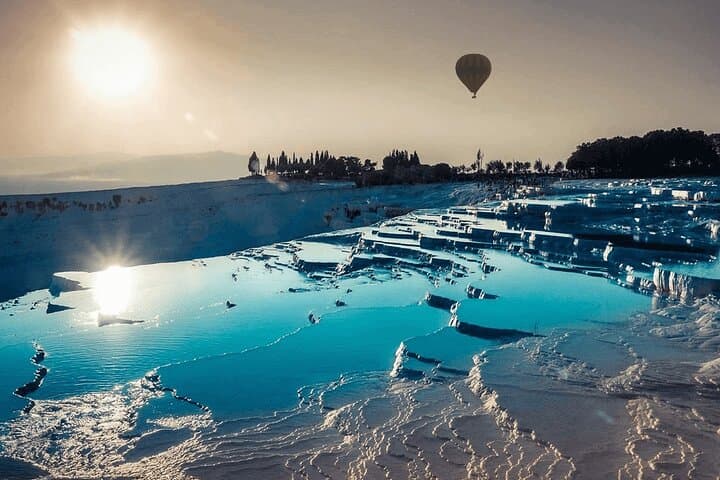
The morning drive from Antalya unwinds through scrubby hills until the white terraces of Pamukkale appear like a cliffside river frozen in milk. You step out of the vehicle and the air smells faintly of mineral and heat; steam rides the terraces while the ruins of Hierapolis look down like a city remembering baths.
Verified experiences and guided adventures in the surrounding area.
Operated by Tour Altinkum Travel · Pamukkale, Denizli Province
The morning drive from Antalya unwinds through scrubby hills until the white terraces of Pamukkale appear like a cliffside river frozen in milk. You step out of the vehicle and the air smells faintly of mineral and heat; steam rides the terraces while the ruins of Hierapolis look down like a city remembering baths.
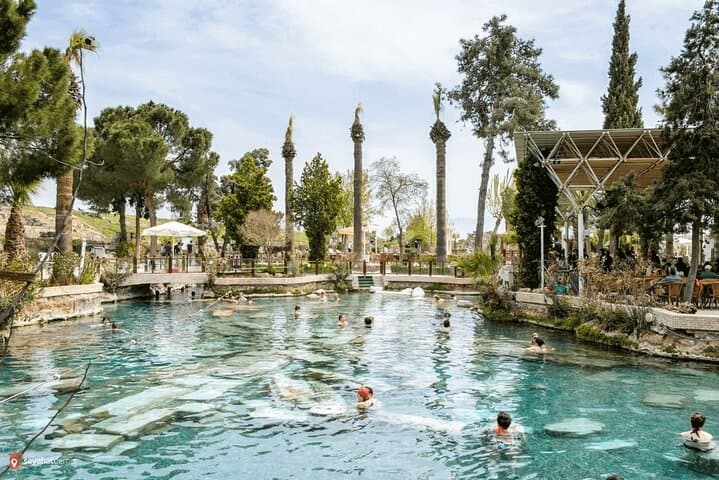
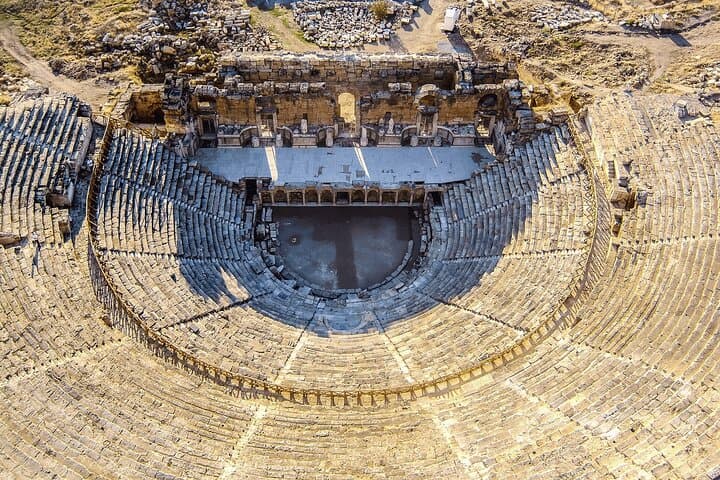
Hierapolis grew as a Roman spa built over calcium-rich springs; the travertines themselves are the product of millennia of warm, bicarbonate-laden water depositing calcite as it cools. The site blends geology and archaeology — you walk over ancient paving, peer into a necropolis with buried stones, and watch thermal pools lap at submerged columns of a once-glorious temple.
Local culture is practical and culinary: lunches are hearty Anatolian plates at nearby restaurants, and conversations with guides often trace Roman, Byzantine and Ottoman layers of the landscape. The Sacred Pool (Cleopatra’s Pool) invites a swim among carved sarcophagi, but rules and conservation concerns mean access and behavior are regulated.
Plan for a long day — this private tour includes hotel pickup, skip-the-line tickets, and several hours on-site. Wear grippy sandals or lightweight hiking shoes you can remove for terraces, bring sun protection and cash for entry fees and extras, and aim for early or late daylight to avoid crowds and midday heat. Respect the roped-off travertines: the calcite surface is fragile and managed to keep the pools white for future visitors.
moderate.
12–14 hours.
Average fitness needed for several hours of walking on uneven surfaces and steps; not strenuous but requires stability.
Yes; the tour often includes swim access but there may be an extra fee and operating hours—bring swimwear and follow lifeguard or guide instructions.
Round-trip from Antalya is a long day: expect about 3–4 hours each way by road depending on traffic, with the full tour lasting roughly 12–14 hours.
No—sections require barefoot walking on protected travertine; the tour provides guidance on where shoes must be removed and where footwear is allowed.
Some parts of Pamukkale and Hierapolis are uneven with steps; certain views are reachable but full site access may be restricted—contact the operator to confirm accessibility options.
Pamukkale and the adjacent city of Hierapolis were important Roman-era spa towns built atop carbonate springs; the site is a UNESCO World Heritage Site for its combined geological and archaeological value.
Traversal is regulated to protect delicate calcite formations—follow roped paths and barefoot rules, and avoid soap or lotions in pools to preserve water chemistry.
Tour Altinkum Travel operates guided outdoor trips and adventures with an emphasis on safety, stewardship, and memorable experiences.

The morning drive from Antalya unwinds through scrubby hills until the white terraces of Pamukkale appear like a cliffside river frozen in milk. You step out of the vehicle and the air smells faintly of mineral and heat; steam rides the terraces while the ruins of Hierapolis look down like a city remembering baths.
The morning drive from Antalya unwinds through scrubby hills until the white terraces of Pamukkale appear like a cliffside river frozen in milk. You step out of the vehicle and the air smells faintly of mineral and heat; steam rides the terraces while the ruins of Hierapolis look down like a city remembering baths.
Hierapolis grew as a Roman spa built over calcium-rich springs; the travertines themselves are the product of millennia of warm, bicarbonate-laden water depositing calcite as it cools. The site blends geology and archaeology — you walk over ancient paving, peer into a necropolis with buried stones, and watch thermal pools lap at submerged columns of a once-glorious temple.
Local culture is practical and culinary: lunches are hearty Anatolian plates at nearby restaurants, and conversations with guides often trace Roman, Byzantine and Ottoman layers of the landscape. The Sacred Pool (Cleopatra’s Pool) invites a swim among carved sarcophagi, but rules and conservation concerns mean access and behavior are regulated.
Plan for a long day — this private tour includes hotel pickup, skip-the-line tickets, and several hours on-site. Wear grippy sandals or lightweight hiking shoes you can remove for terraces, bring sun protection and cash for entry fees and extras, and aim for early or late daylight to avoid crowds and midday heat. Respect the roped-off travertines: the calcite surface is fragile and managed to keep the pools white for future visitors.