THE ADVENTURE COLLECTIVE® · Independent discovery and booking for outdoor travel

Walk barefoot across calcium-white terraces and explore the Roman and Hellenistic ruins of Hierapolis on a full-day tour. This guide covers geology, history, and practical tips—what to pack, when to go, and how to protect the fragile travertines.
Walk barefoot across calcium-white terraces and explore the Roman and Hellenistic ruins of Hierapolis on a full-day tour. This guide covers geology, history, and practical tips—what to pack, when to go, and how to protect the fragile travertines.
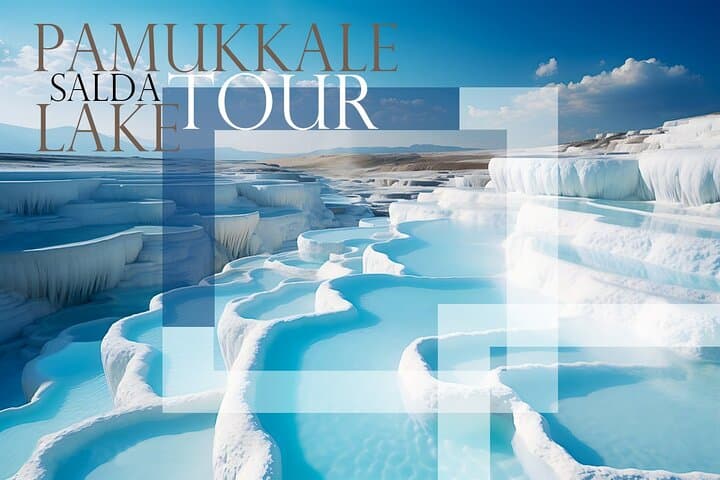
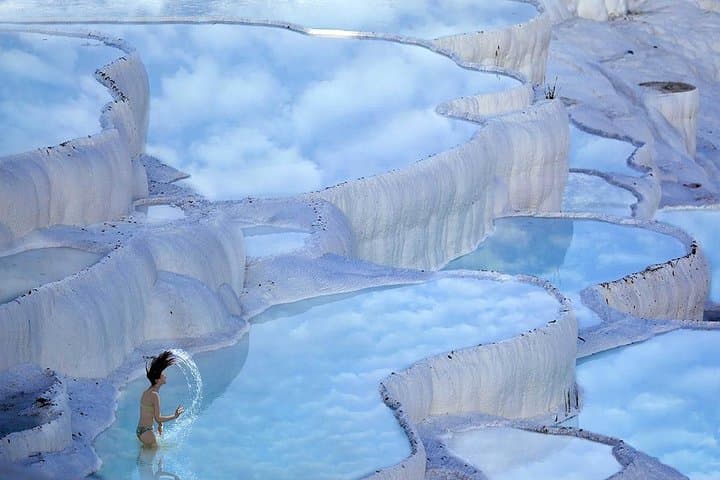
You arrive at the rim of the terraces with mineral-rich water pouring in thin, white sheets, steam lifting off shallow pools as sunlight scours the salt-bright surface. The terraces look almost otherworldly—calcium carbonate built up over millennia—while beyond them the columns and steps of Hierapolis rise like the remains of an empire that once came to the springs for health and ceremony.
Verified experiences and guided adventures in the surrounding area.
Operated by Antalya Excursions - SEASONS TRAVEL | Seasons Travel Group · Pamukkale, Denizli Province
You arrive at the rim of the terraces with mineral-rich water pouring in thin, white sheets, steam lifting off shallow pools as sunlight scours the salt-bright surface. The terraces look almost otherworldly—calcium carbonate built up over millennia—while beyond them the columns and steps of Hierapolis rise like the remains of an empire that once came to the springs for health and ceremony.
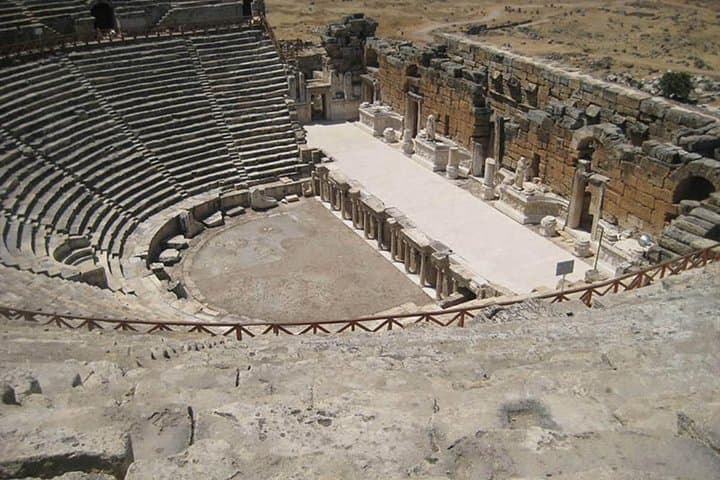
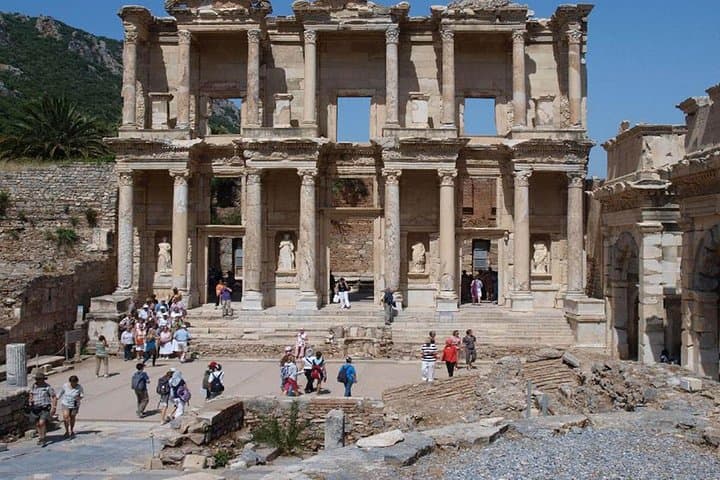
Geology here is straightforward and dramatic: hot groundwater deposits travertine as it cools, forming the stepped basins Pamukkale is known for. Hierapolis grew beside those springs in the Hellenistic period and expanded under Rome as a healing center; the theater, temples and vast necropolis speak to ritual, trade and long-distance pilgrimage.
Local culture still orients around the springs: bathing, small family-run guesthouses, and the Cleopatra Pool legend that ties the place to classical glamour. Conservation rules—walk barefoot in designated areas, stay on marked paths—reflect decades of restoration after uncontrolled tourism damaged the travertine.
Practical guidance: plan for an 8-hour day if you’re joining a full tour. Wear slip-resistant shoes you can carry for terrace sections where shoes are prohibited; bring swimwear for the thermal pool but note the Cleopatra Pool often carries an extra fee. Midday is brightest but busiest—early morning and late afternoon give better light and fewer people. Hydrate: the air is dry, the stone reflects heat, and you’ll be on uneven ground at the ruins. Respect signage and staff; the fragile terraces recover only with steady protection.
Pamukkale delivers both tactile warmth and a clear connection to antiquity—thermal water daring you to linger while ruins invite you to imagine the past.
easy.
8 hours.
Suitable for most fitness levels; requires steady footing and short walks on uneven ground.
No—only designated, wet paths allow foot traffic and often require barefoot access; follow signage to avoid fines and damage.
General access allows wading in some pools, but the Cleopatra Pool (antique thermal pool) usually carries an extra admission fee on top of site entry.
Some areas and transport options are wheelchair accessible, but terraces and ruins include stairs and uneven surfaces—check specific accessibility options with your operator.
A typical guided visit runs 6–8 hours including transport; independent visitors often spend 2–4 hours at the site depending on photos and bathing time.
Hierapolis developed as a Hellenistic thermal sanctuary and later flourished under Roman rule as a major spa and burial center with a massive necropolis.
UNESCO-protected travertine requires strict visitor rules and managed water flow to prevent erosion; support local conservation by following signage and avoiding unauthorized access.
Antalya Excursions - SEASONS TRAVEL | Seasons Travel Group operates guided outdoor trips and adventures with an emphasis on safety, stewardship, and memorable experiences.
You arrive at the rim of the terraces with mineral-rich water pouring in thin, white sheets, steam lifting off shallow pools as sunlight scours the salt-bright surface. The terraces look almost otherworldly—calcium carbonate built up over millennia—while beyond them the columns and steps of Hierapolis rise like the remains of an empire that once came to the springs for health and ceremony.
You arrive at the rim of the terraces with mineral-rich water pouring in thin, white sheets, steam lifting off shallow pools as sunlight scours the salt-bright surface. The terraces look almost otherworldly—calcium carbonate built up over millennia—while beyond them the columns and steps of Hierapolis rise like the remains of an empire that once came to the springs for health and ceremony.
Geology here is straightforward and dramatic: hot groundwater deposits travertine as it cools, forming the stepped basins Pamukkale is known for. Hierapolis grew beside those springs in the Hellenistic period and expanded under Rome as a healing center; the theater, temples and vast necropolis speak to ritual, trade and long-distance pilgrimage.
Local culture still orients around the springs: bathing, small family-run guesthouses, and the Cleopatra Pool legend that ties the place to classical glamour. Conservation rules—walk barefoot in designated areas, stay on marked paths—reflect decades of restoration after uncontrolled tourism damaged the travertine.
Practical guidance: plan for an 8-hour day if you’re joining a full tour. Wear slip-resistant shoes you can carry for terrace sections where shoes are prohibited; bring swimwear for the thermal pool but note the Cleopatra Pool often carries an extra fee. Midday is brightest but busiest—early morning and late afternoon give better light and fewer people. Hydrate: the air is dry, the stone reflects heat, and you’ll be on uneven ground at the ruins. Respect signage and staff; the fragile terraces recover only with steady protection.
Pamukkale delivers both tactile warmth and a clear connection to antiquity—thermal water daring you to linger while ruins invite you to imagine the past.