THE ADVENTURE COLLECTIVE® · Independent discovery and booking for outdoor travel

Traverse the Pamir Highway from Dushanbe to Osh, pausing at Karakul, Tulparkul and the Wakhan corridor to see petroglyph fields, yurt camps and high alpine lakes. This 10-day cultural and trekking route balances remote vistas with local hospitality.
Traverse the Pamir Highway from Dushanbe to Osh, pausing at Karakul, Tulparkul and the Wakhan corridor to see petroglyph fields, yurt camps and high alpine lakes. This 10-day cultural and trekking route balances remote vistas with local hospitality.
Book with Pamir Trips
Book directly with Pamir Trips for the best rates and real-time scheduling.
Reserve NowVerified experiences and guided adventures in the surrounding area.
Operated by Pamir Trips · Khorog, Gorno-Badakhshan Autonomous Region
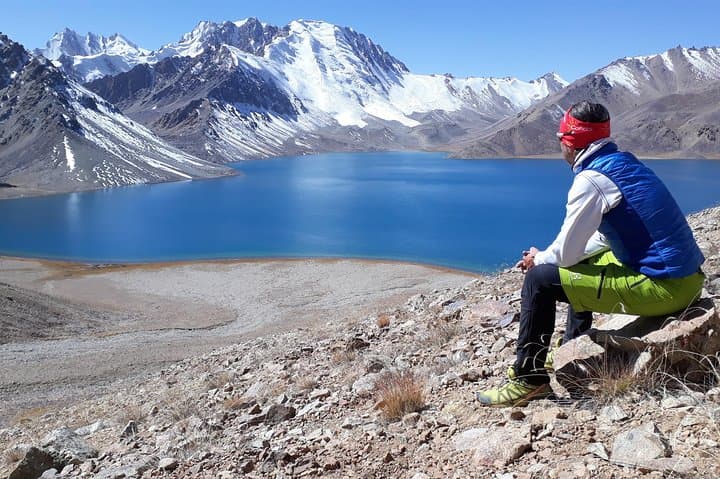
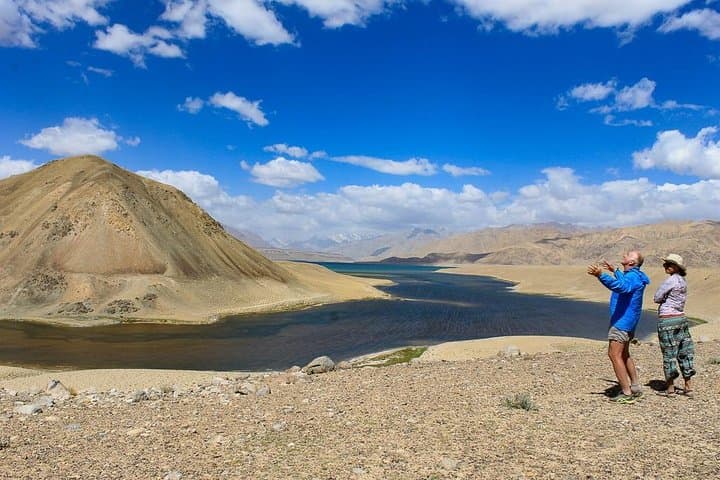
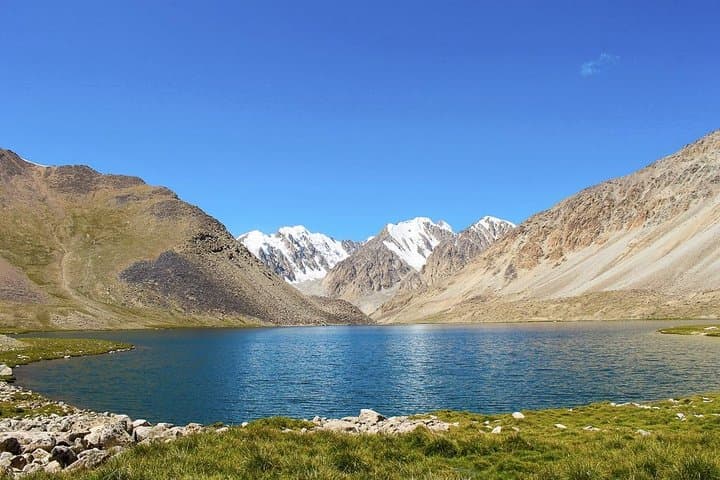
You climb out of the vehicle at a windswept pass and the air feels thin and clean — the Pamir opens like a high plain of stone and ice. Snow rims distant summits, caravan-era ruins peek above scree, and a bobbing line of yurts marks where people still live by seasonal herds. The route runs along the Panj and Pamir rivers, past Karakul’s meteorite basin, across the Ak-Baital pass and down to the bazaars and hot springs of the Wakhan corridor.
challenging.
10 days.
Moderate to strong aerobic fitness recommended for high-altitude walks and multi-hour vehicle days; expect short to half-day treks to 3,500–4,500m.
Ak-Baital pass reaches about 4,655m; many overnight stops and viewpoints are above 3,500m so plan for altitude effects.
Yes — most travelers require visas for Tajikistan and Kyrgyzstan; check current embassy guidance and carry passport copies for border formalities.
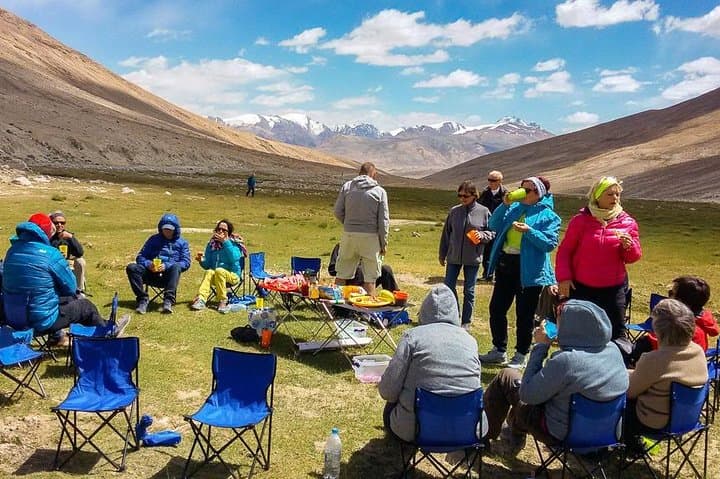
Expect a mix: 3–4 star hotels in Dushanbe and Osh, simple guesthouses, yurt camps at Tulpar Kul and basic home-stays with limited facilities in Bulunkul and Murghab.
The trek to the Engels basecamp is a non-technical high-altitude hike, though footing can be uneven; no mountaineering equipment is required for the day trek.
The route follows ancient Silk Road arteries and later became strategic in the 19th-century Great Game; archaeological remains from Buddhist, Zoroastrian and pre-Islamic eras are common.
The Pamir’s alpine ecosystems are fragile; limit campfires, stick to trails near petroglyph sites and carry out waste to protect tundra and archaeological sites.
Pamir Trips operates guided outdoor trips and adventures with an emphasis on safety, stewardship, and memorable experiences.
Book with Pamir Trips
Book directly with Pamir Trips for the best rates and real-time scheduling.
Reserve Now