THE ADVENTURE COLLECTIVE® · Independent discovery and booking for outdoor travel

A brisk two-day loop from Dushanbe along the historic M41 (Pamir Highway) visits Hulbuk Castle, Kalai Khumb on the Panj River border, and the enigmatic Childukhtaron Valley. Expect long drives, short walks, and concentrated cultural sites framed by rugged mountain geology.
A brisk two-day loop from Dushanbe along the historic M41 (Pamir Highway) visits Hulbuk Castle, Kalai Khumb on the Panj River border, and the enigmatic Childukhtaron Valley. Expect long drives, short walks, and concentrated cultural sites framed by rugged mountain geology.
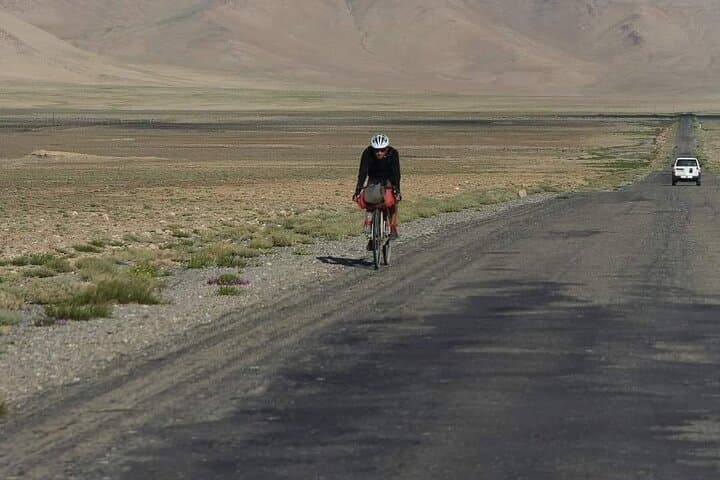
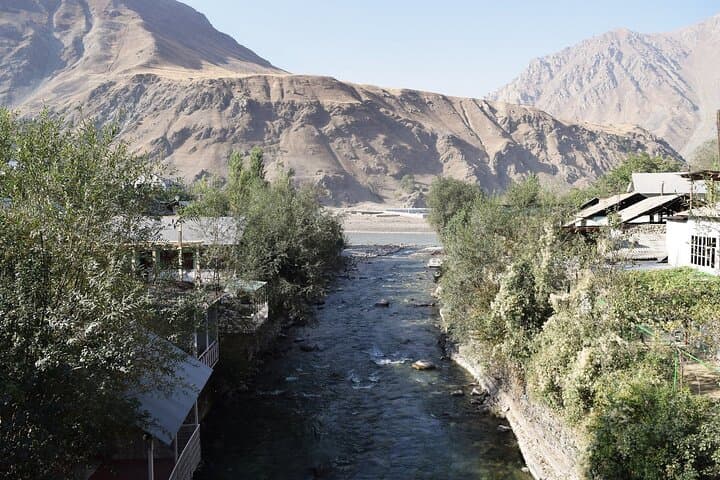
Dawn spills across the road leaving Dushanbe and the first ridge of the Pamir foothills appears like a low wall of stone and scrub. The drive is the point: a ribbon of asphalt and dirt that peels through river gorges, past salt mounds and medieval ruins, delivering you to border villages where the Panj River dares you to look across into Afghanistan.
Verified experiences and guided adventures in the surrounding area.
Operated by Bunyod-Tour · Dushanbe, Dushanbe
Dawn spills across the road leaving Dushanbe and the first ridge of the Pamir foothills appears like a low wall of stone and scrub. The drive is the point: a ribbon of asphalt and dirt that peels through river gorges, past salt mounds and medieval ruins, delivering you to border villages where the Panj River dares you to look across into Afghanistan.
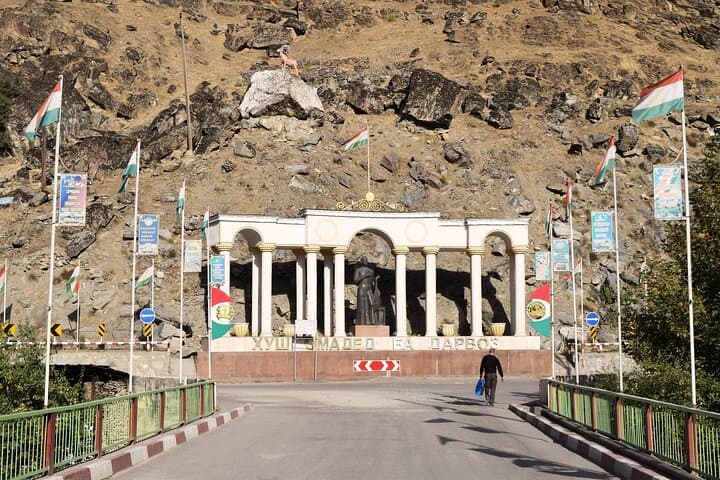
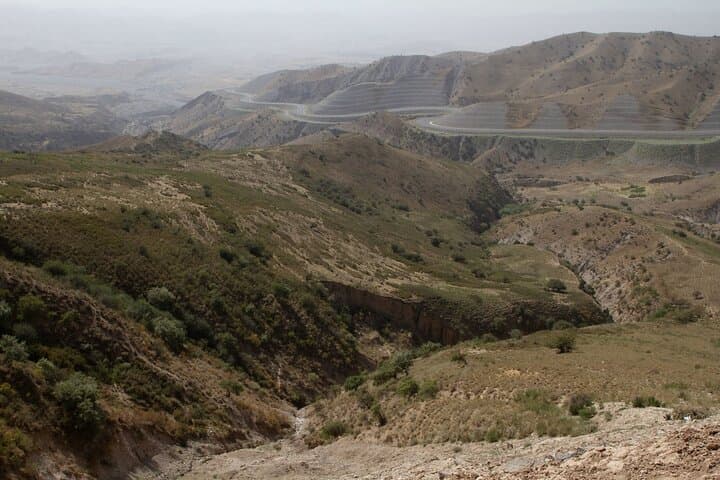
This two-day loop follows a woven history—Silk Road arteries, medieval Hulbuk Castle and the mausoleum of Mir Sayyid Ali Hamadani—set on folded geology of Paleozoic rocks and alluvial terraces. Kulyab (Kulob) shows a city shaped by trade; Kalai Khumb sits where Darvaz meets Afghanistan and the river defines both landscape and boundary. Childukhtaron (“Valley of the Forty Girls”) is a compact karst-thumb of pillars and legends, while Karon’s archaeological layers hint at pre-Islamic ritual life.
Expect long driving stretches (several hours between stops), short on-foot visits, and roadside viewpoints that shift quickly with light. Road surfaces vary from smooth tarmac to corrugated gravel; elevations on this route commonly range from ~1,200–1,700 m. Practicalities matter: the tour includes private transport and GBAO permit fees, but bring original passport pages, sturdy shoes for short site walks, layered clothing for alpine wind and valley heat, and a water system for long drives. Photography windows can be brief at border points—plan shots, not detours.
This itinerary rewards travelers who like moving landscapes and cultural context—archaeology, Sufi shrines, and river-border vistas delivered with the steady rhythm of the road.
moderate.
2 days.
Moderate fitness — able to handle several hours of seated travel with short, easy walks at sites and some stair/cliff-side movement.
Yes—the tour listing includes the GBAO (Gorno-Badakhshan) permit or similar regional permissions; keep the permit and passport accessible during travel.
Expect several hours of driving daily with multiple short stops—day one is the longest transfer; day two includes valley visits and a return drive to Dushanbe.
No—visitors can view the Panj River and Afghan terrain from Tajikistan but crossing the border is not part of this itinerary and stops at border points are limited by regulations.
Walking is short and site-focused—brief climbs, staircases, and uneven archaeological terrain; no sustained hikes are required, but stable footwear is recommended.
This route threads Silk Road-era trade centers and medieval fortress towns; Hulbuk and Karon preserve archaeological layers from pre-Islamic and medieval Central Asia.
The region is sensitive: limit litter, avoid disturbing archaeological remains, and follow guide instructions to minimize impact on fragile sites and riverbanks.
Bunyod-Tour operates guided outdoor trips and adventures with an emphasis on safety, stewardship, and memorable experiences.
Dawn spills across the road leaving Dushanbe and the first ridge of the Pamir foothills appears like a low wall of stone and scrub. The drive is the point: a ribbon of asphalt and dirt that peels through river gorges, past salt mounds and medieval ruins, delivering you to border villages where the Panj River dares you to look across into Afghanistan.
Dawn spills across the road leaving Dushanbe and the first ridge of the Pamir foothills appears like a low wall of stone and scrub. The drive is the point: a ribbon of asphalt and dirt that peels through river gorges, past salt mounds and medieval ruins, delivering you to border villages where the Panj River dares you to look across into Afghanistan.
This two-day loop follows a woven history—Silk Road arteries, medieval Hulbuk Castle and the mausoleum of Mir Sayyid Ali Hamadani—set on folded geology of Paleozoic rocks and alluvial terraces. Kulyab (Kulob) shows a city shaped by trade; Kalai Khumb sits where Darvaz meets Afghanistan and the river defines both landscape and boundary. Childukhtaron (“Valley of the Forty Girls”) is a compact karst-thumb of pillars and legends, while Karon’s archaeological layers hint at pre-Islamic ritual life.
Expect long driving stretches (several hours between stops), short on-foot visits, and roadside viewpoints that shift quickly with light. Road surfaces vary from smooth tarmac to corrugated gravel; elevations on this route commonly range from ~1,200–1,700 m. Practicalities matter: the tour includes private transport and GBAO permit fees, but bring original passport pages, sturdy shoes for short site walks, layered clothing for alpine wind and valley heat, and a water system for long drives. Photography windows can be brief at border points—plan shots, not detours.
This itinerary rewards travelers who like moving landscapes and cultural context—archaeology, Sufi shrines, and river-border vistas delivered with the steady rhythm of the road.