THE ADVENTURE COLLECTIVE® · Independent discovery and booking for outdoor travel

Step into Paloquemao and let the colors and aromas of Bogotá’s largest traditional market guide you through fresh flowers, unfamiliar fruits, and hands-on tastings. This three-hour tour pairs cultural context with practical tips to help you explore like a local.
Step into Paloquemao and let the colors and aromas of Bogotá’s largest traditional market guide you through fresh flowers, unfamiliar fruits, and hands-on tastings. This three-hour tour pairs cultural context with practical tips to help you explore like a local.
A morning in Paloquemao starts with a cadence of cartwheels and voices: vendors calling prices, trucks backing into loading docks, and the sharp perfume of cut flowers that seems to push you forward into the stalls. You move through aisles of color—bouquets stacked like bright flags, mounds of exotic fruits, and herbs bundled for sale—each vendor a short performance of barter and hospitality.
Verified experiences and guided adventures in the surrounding area.
Operated by BM TOURS SA · Bogotá, Bogotá D.C.
A morning in Paloquemao starts with a cadence of cartwheels and voices: vendors calling prices, trucks backing into loading docks, and the sharp perfume of cut flowers that seems to push you forward into the stalls. You move through aisles of color—bouquets stacked like bright flags, mounds of exotic fruits, and herbs bundled for sale—each vendor a short performance of barter and hospitality.
The market sits on Bogotá’s high plateau (the Altiplano Cundiboyacense), where volcanic soils and Andean microclimates produce the astonishing diversity on display. Paloquemao has been a commercial hub since the 20th century, feeding the city with goods drawn from coastal plains, Amazon foothills, and the páramo. Its layout reflects practical urban growth: sections for flowers, produce, meats and fish, and aromatic herbs that mirror Colombia’s varied geography and culinary culture.
Expect a lively, sensory-heavy visit rather than a quiet museum experience. Guides explain unfamiliar fruits like gulupa and lulo, point out edible flowers, and arrange tastings that reveal how ingredients travel from farm to city. The flowers section attracts local floriculturists who ship blooms nationwide; the produce aisles tell a story of regional trade.
Practical guidance: arrive early (7–9am) for peak freshness and fewer crowds; wear closed-toe shoes for wet floors and moving carts; bring small bills for purchases and a reusable bag. Hydrate—Bogotá’s altitude can quicken fatigue—and ask your guide about market etiquette before photographing vendors. The tour is low-impact physically but high on cultural and culinary returns.
easy.
3 hours.
Suitable for all fitness levels; involves standing and short walks on flat surfaces
This market tour runs about three hours, typically starting in the morning to catch the freshest goods.
Yes—families with children can enjoy the sights and tastings, though watch children closely around busy stalls and vehicles.
Yes; the tour includes fruit tastings and guided sampling so you can try unfamiliar produce.
Parts of Paloquemao have uneven surfaces and busy aisles; accessibility varies—check with the operator for specific arrangements.
Paloquemao grew in the 20th century as Bogotá’s main wholesale market, connecting coastal, Andean and Amazonian producers to urban consumers.
Buy from vendors who source sustainably and avoid single-use plastics; supporting small producers helps maintain regional agricultural diversity.
BM TOURS SA operates guided outdoor trips and adventures with an emphasis on safety, stewardship, and memorable experiences.
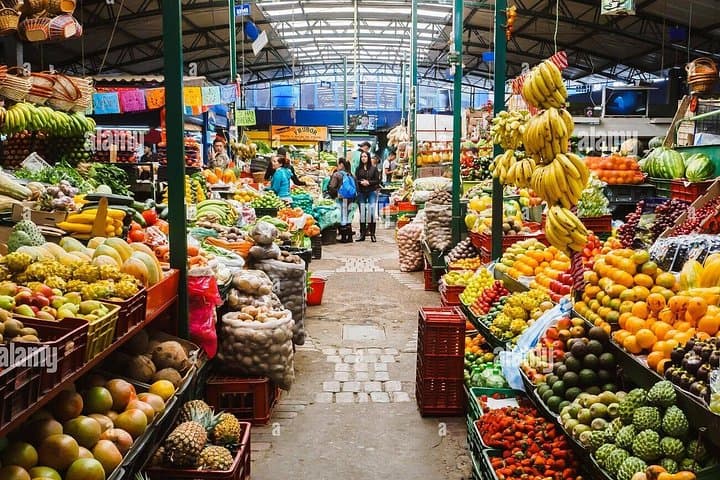
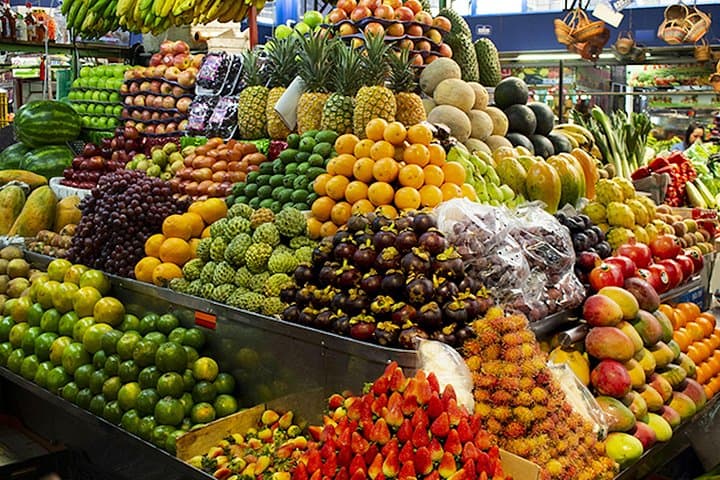
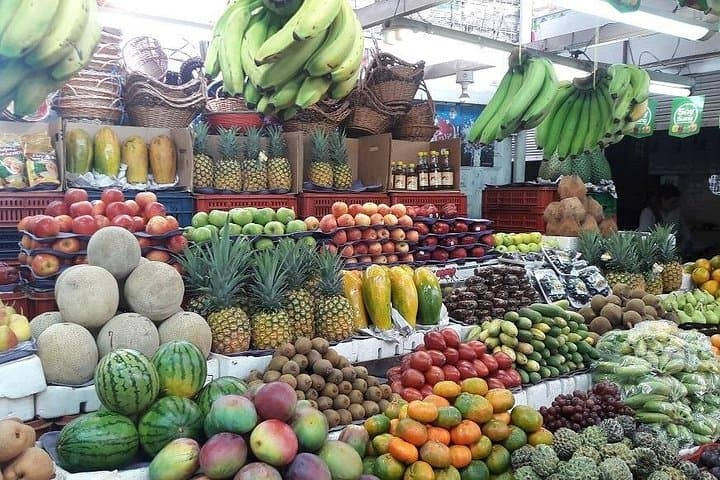
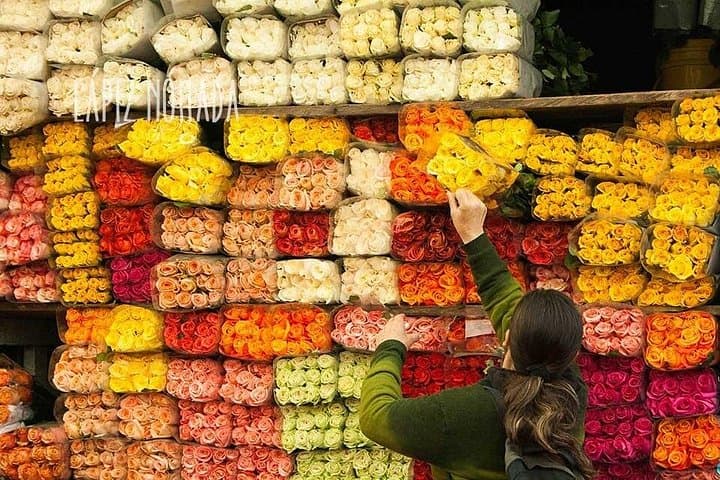
A morning in Paloquemao starts with a cadence of cartwheels and voices: vendors calling prices, trucks backing into loading docks, and the sharp perfume of cut flowers that seems to push you forward into the stalls. You move through aisles of color—bouquets stacked like bright flags, mounds of exotic fruits, and herbs bundled for sale—each vendor a short performance of barter and hospitality.
A morning in Paloquemao starts with a cadence of cartwheels and voices: vendors calling prices, trucks backing into loading docks, and the sharp perfume of cut flowers that seems to push you forward into the stalls. You move through aisles of color—bouquets stacked like bright flags, mounds of exotic fruits, and herbs bundled for sale—each vendor a short performance of barter and hospitality.
The market sits on Bogotá’s high plateau (the Altiplano Cundiboyacense), where volcanic soils and Andean microclimates produce the astonishing diversity on display. Paloquemao has been a commercial hub since the 20th century, feeding the city with goods drawn from coastal plains, Amazon foothills, and the páramo. Its layout reflects practical urban growth: sections for flowers, produce, meats and fish, and aromatic herbs that mirror Colombia’s varied geography and culinary culture.
Expect a lively, sensory-heavy visit rather than a quiet museum experience. Guides explain unfamiliar fruits like gulupa and lulo, point out edible flowers, and arrange tastings that reveal how ingredients travel from farm to city. The flowers section attracts local floriculturists who ship blooms nationwide; the produce aisles tell a story of regional trade.
Practical guidance: arrive early (7–9am) for peak freshness and fewer crowds; wear closed-toe shoes for wet floors and moving carts; bring small bills for purchases and a reusable bag. Hydrate—Bogotá’s altitude can quicken fatigue—and ask your guide about market etiquette before photographing vendors. The tour is low-impact physically but high on cultural and culinary returns.