THE ADVENTURE COLLECTIVE® · Independent discovery and booking for outdoor travel

Glide the Tempisque through Palo Verde’s wetlands on a 2–3 hour boat tour to spot howler and white-faced capuchin monkeys, crocodiles and dozens of waterbirds. This guided cruise blends natural history with practical wildlife viewing tips for first-time visitors.
Glide the Tempisque through Palo Verde’s wetlands on a 2–3 hour boat tour to spot howler and white-faced capuchin monkeys, crocodiles and dozens of waterbirds. This guided cruise blends natural history with practical wildlife viewing tips for first-time visitors.
A low-slung motorboat parts the reed beds and the Tempisque River seems to push you forward — tangled mangroves scraping past as herons lift like punctuation marks from the banks. The guide points without hurry: a troop of white-faced capuchins sips at the water’s edge, a howler monkey sets up a deep, rolling call, and a crocodile bakes on a sunlit sandbar.
Verified experiences and guided adventures in the surrounding area.
Operated by Jabiru Tours Palo Verde by Boat · Cañas, Guanacaste
A low-slung motorboat parts the reed beds and the Tempisque River seems to push you forward — tangled mangroves scraping past as herons lift like punctuation marks from the banks. The guide points without hurry: a troop of white-faced capuchins sips at the water’s edge, a howler monkey sets up a deep, rolling call, and a crocodile bakes on a sunlit sandbar.
Palo Verde National Park protects one of Costa Rica’s largest seasonal wetlands, created in 1978 to secure feeding and nesting grounds for migratory and resident birds. Geologically the river has carved broad oxbow meanders across Guanacaste’s floodplain, leaving channels, marshes and isolated lagoons that concentrate wildlife in the dry season.
Local communities around Cañas and Liberia have long balanced ranching and rice fields with wetland conservation; guides on these tours often explain how seasonal irrigation affects the park’s fringe habitats.
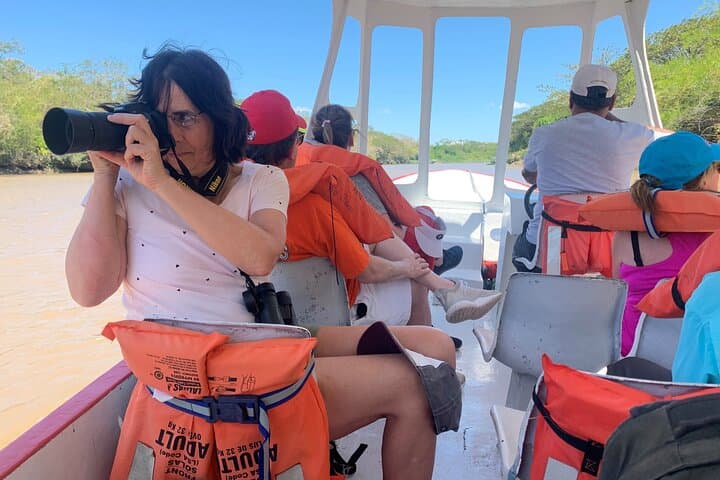
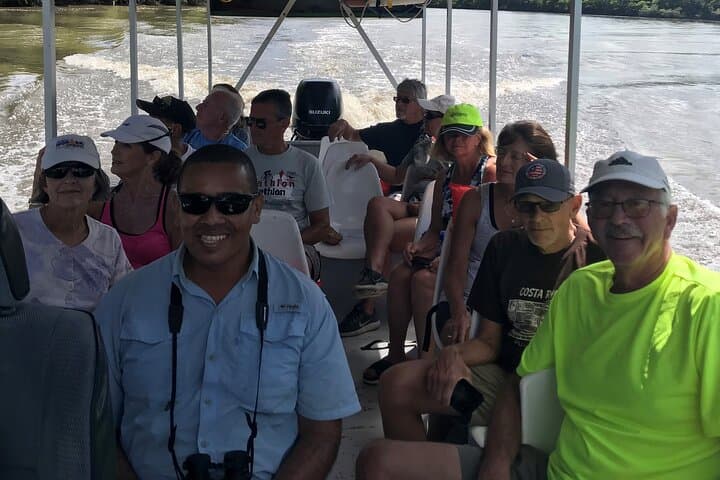
Practically, expect a 2–3 hour guided cruise on calm water with multiple photo stops. Wildlife viewing is best in the dry months when animals gather at permanent channels; wet months bring dense foliage and more insect activity. Wear sun-protective clothing, bring insect repellent and a lightweight rain layer in the rainy season. Guides typically provide bottled water, lunch and binoculars but keep a zoom lens ready — many highlights are at a respectful distance.
The trip is accessible for most travelers able to step into a low boat; motion on the river is gentle but bring a small daypack and secure your valuables. Timing your visit around early morning or late afternoon increases sightings and softens the light for photography.
easy.
2–3 hours.
Suitable for most fitness levels; must be able to step into a low boat and sit for the duration.
Tours run about 2–3 hours and typically depart from a local jetty on the Tempisque River near the Palo Verde entrance; exact departure points are provided at booking.
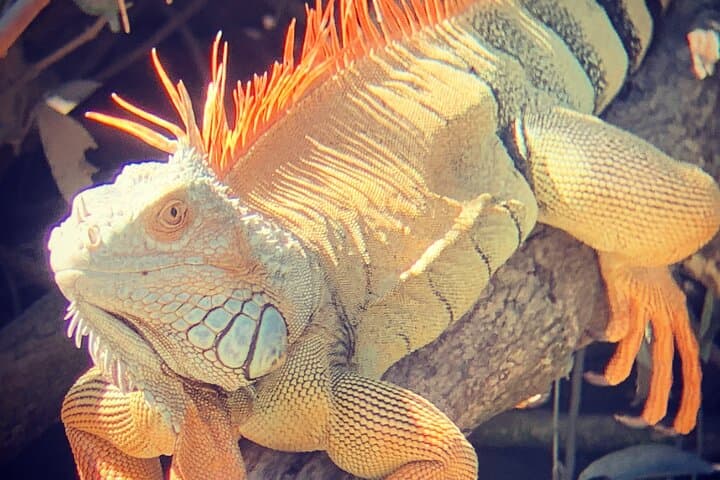
Common sightings include howler and white-faced capuchin monkeys, a variety of herons and egrets, kingfishers, ospreys and often American crocodiles sunning on banks.
The tour notes wheelchair and stroller accessibility for transportation to the meeting point, but boarding requires stepping into a low boat; inquire with the operator about accommodations before booking.
Bring sun protection, insect repellent, a camera and water-tight storage; the tour typically includes bottled water, lunch and binoculars per the operator’s inclusions.
Palo Verde National Park was established in 1978 to protect Guanacaste’s seasonal wetlands and the migratory birds that rely on them.
Water management upstream and seasonal agriculture influence the park’s hydrology; responsible boat tours support local conservation and community livelihoods.
Jabiru Tours Palo Verde by Boat operates guided outdoor trips and adventures with an emphasis on safety, stewardship, and memorable experiences.
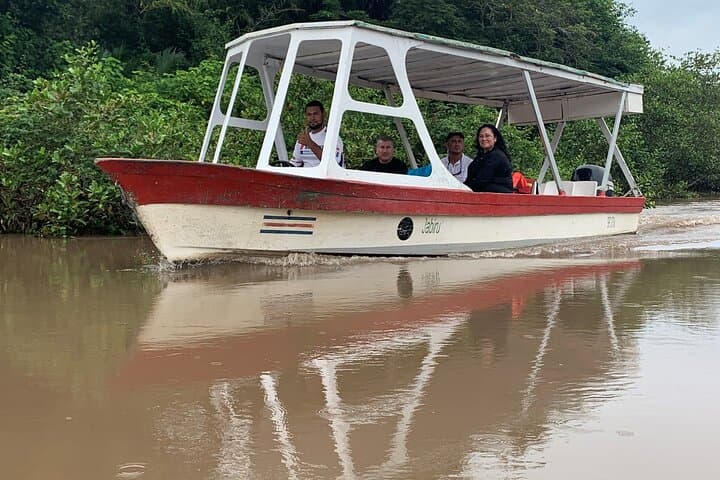
A low-slung motorboat parts the reed beds and the Tempisque River seems to push you forward — tangled mangroves scraping past as herons lift like punctuation marks from the banks. The guide points without hurry: a troop of white-faced capuchins sips at the water’s edge, a howler monkey sets up a deep, rolling call, and a crocodile bakes on a sunlit sandbar.
A low-slung motorboat parts the reed beds and the Tempisque River seems to push you forward — tangled mangroves scraping past as herons lift like punctuation marks from the banks. The guide points without hurry: a troop of white-faced capuchins sips at the water’s edge, a howler monkey sets up a deep, rolling call, and a crocodile bakes on a sunlit sandbar.
Palo Verde National Park protects one of Costa Rica’s largest seasonal wetlands, created in 1978 to secure feeding and nesting grounds for migratory and resident birds. Geologically the river has carved broad oxbow meanders across Guanacaste’s floodplain, leaving channels, marshes and isolated lagoons that concentrate wildlife in the dry season.
Local communities around Cañas and Liberia have long balanced ranching and rice fields with wetland conservation; guides on these tours often explain how seasonal irrigation affects the park’s fringe habitats.
Practically, expect a 2–3 hour guided cruise on calm water with multiple photo stops. Wildlife viewing is best in the dry months when animals gather at permanent channels; wet months bring dense foliage and more insect activity. Wear sun-protective clothing, bring insect repellent and a lightweight rain layer in the rainy season. Guides typically provide bottled water, lunch and binoculars but keep a zoom lens ready — many highlights are at a respectful distance.
The trip is accessible for most travelers able to step into a low boat; motion on the river is gentle but bring a small daypack and secure your valuables. Timing your visit around early morning or late afternoon increases sightings and softens the light for photography.