THE ADVENTURE COLLECTIVE® · Independent discovery and booking for outdoor travel

A gentle, one-hour camel trek through Marrakech’s iconic palm grove, the Palmeraie offers a calm escape from the medina with tea stops, traditional dress photo ops, and easy walking-paced riding. Ideal for families and first-time riders.
A gentle, one-hour camel trek through Marrakech’s iconic palm grove, the Palmeraie offers a calm escape from the medina with tea stops, traditional dress photo ops, and easy walking-paced riding. Ideal for families and first-time riders.
The first steps into the Palmeraie feel like a soft exhale—the city’s bustle drops away and a corridor of feathered palms opens. Camels rise and fall in a slow, rhythmic gait, their saddles creaking as riders find a steady balance. Over the course of an hour, the grove’s light shifts across trunks and sand, and a local guide points out irrigation lines, scattered mud-brick huts, and the low dunes that edge the palm plain.
Verified experiences and guided adventures in the surrounding area.
Operated by Fajga Travel · Marrakech, Marrakech-Safi
The first steps into the Palmeraie feel like a soft exhale—the city’s bustle drops away and a corridor of feathered palms opens. Camels rise and fall in a slow, rhythmic gait, their saddles creaking as riders find a steady balance. Over the course of an hour, the grove’s light shifts across trunks and sand, and a local guide points out irrigation lines, scattered mud-brick huts, and the low dunes that edge the palm plain.
Palmeraie grew where groundwater and human ingenuity met: centuries-old khettara irrigation brought palms to this alluvial fringe north of Marrakech. The terrain is flat—sandy tracks, compacted dirt, and isolated dunes—so geology is understated but essential, shaping how palms and traditional villages sit on the plain. Culturally, the ride intersects Berber life and modern tourism; you’ll often pause for mint tea and the chance to try traditional robes for photos, a small window into local craft and hospitality.
Practically, expect a relaxed, family-friendly pace: rides typically cover a few kilometers at a walking pace, and pickups from central hotels are standard. Mornings and late afternoons are best for cooler temperatures and softer light. Bring sun protection, a refillable water bottle, stable shoes, and a camera with spare battery—phones can fill with sand if not stowed. Note infants must sit on laps and the activity is designed for all fitness levels, but balance is required when mounting and dismounting. If you want quieter stretches, ask for a group with fewer riders or a later private option. The Palmeraie camel ride is short, sensory, and rooted in place—an approachable way to feel the landscape around Marrakech without straying far from the city.
easy.
1 hour.
Minimal fitness required; able to mount/dismount and sit on a moving camel comfortably.
Yes — most operators include hotel pick-up and drop-off in Marrakech; confirm your pickup point when booking.
Children are allowed; infants must sit on an adult’s lap per the operator’s policy—check age limits with your provider.
No prior experience is required; the ride is slow-paced and suitable for most fitness levels, though balance is helpful.
Light, modest clothing with a sun hat and closed-toe shoes; a light jacket for early mornings or winter evenings.
The Palmeraie expanded as Marrakech’s water table and horizontal irrigation systems supported date palms and small farms; over time it became a favored leisure area for residents and visitors.
Rapid development pressures have altered parts of the grove—stay on established tracks, avoid littering, and support local guides who practice low-impact tours.
Fajga Travel operates guided outdoor trips and adventures with an emphasis on safety, stewardship, and memorable experiences.
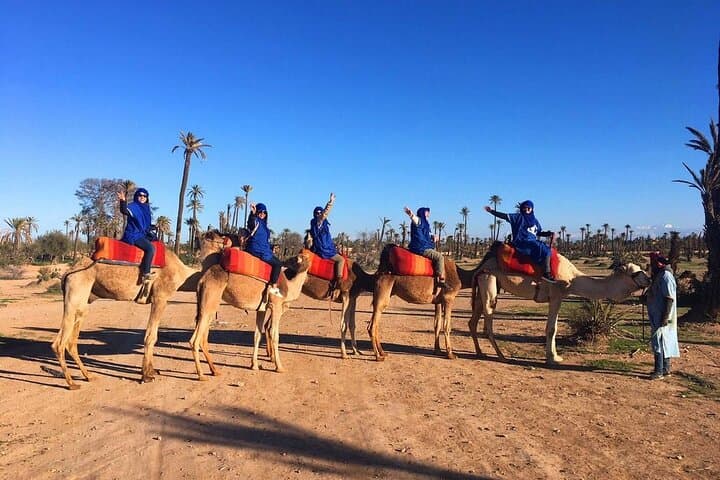
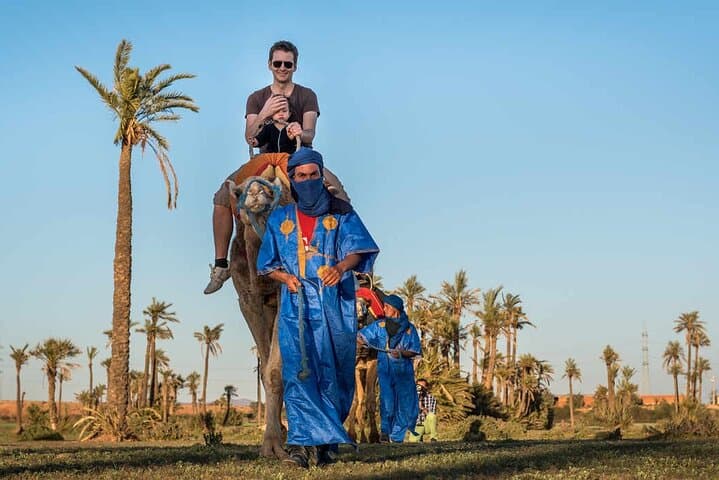
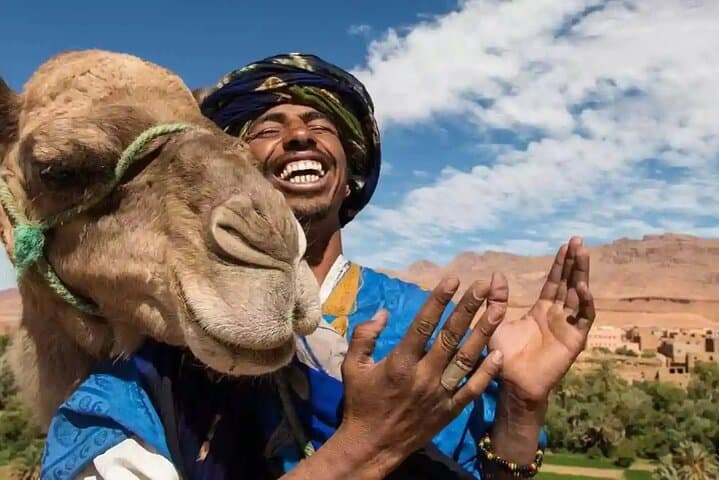
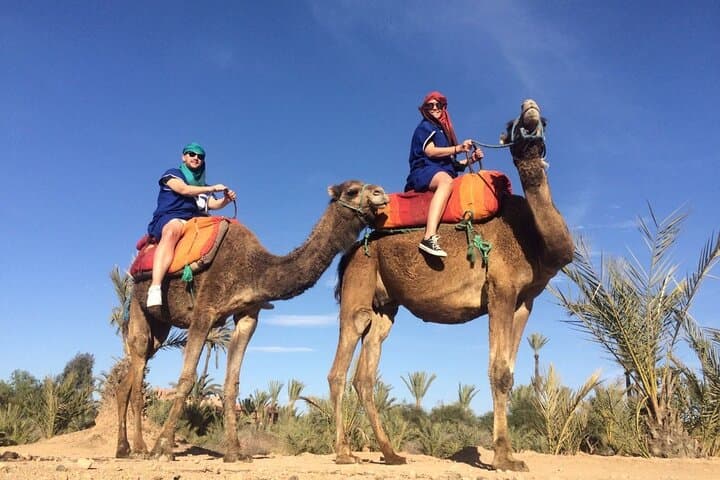
The first steps into the Palmeraie feel like a soft exhale—the city’s bustle drops away and a corridor of feathered palms opens. Camels rise and fall in a slow, rhythmic gait, their saddles creaking as riders find a steady balance. Over the course of an hour, the grove’s light shifts across trunks and sand, and a local guide points out irrigation lines, scattered mud-brick huts, and the low dunes that edge the palm plain.
The first steps into the Palmeraie feel like a soft exhale—the city’s bustle drops away and a corridor of feathered palms opens. Camels rise and fall in a slow, rhythmic gait, their saddles creaking as riders find a steady balance. Over the course of an hour, the grove’s light shifts across trunks and sand, and a local guide points out irrigation lines, scattered mud-brick huts, and the low dunes that edge the palm plain.
Palmeraie grew where groundwater and human ingenuity met: centuries-old khettara irrigation brought palms to this alluvial fringe north of Marrakech. The terrain is flat—sandy tracks, compacted dirt, and isolated dunes—so geology is understated but essential, shaping how palms and traditional villages sit on the plain. Culturally, the ride intersects Berber life and modern tourism; you’ll often pause for mint tea and the chance to try traditional robes for photos, a small window into local craft and hospitality.
Practically, expect a relaxed, family-friendly pace: rides typically cover a few kilometers at a walking pace, and pickups from central hotels are standard. Mornings and late afternoons are best for cooler temperatures and softer light. Bring sun protection, a refillable water bottle, stable shoes, and a camera with spare battery—phones can fill with sand if not stowed. Note infants must sit on laps and the activity is designed for all fitness levels, but balance is required when mounting and dismounting. If you want quieter stretches, ask for a group with fewer riders or a later private option. The Palmeraie camel ride is short, sensory, and rooted in place—an approachable way to feel the landscape around Marrakech without straying far from the city.