THE ADVENTURE COLLECTIVE® · Independent discovery and booking for outdoor travel

Walk Palma’s little-known alleys to meet the Jewish quarter’s quiet stones and the tanners’ lanes where craft and water shaped daily life. This two-hour guided walk pairs history with local flavor in the shadow of the cathedral.
Walk Palma’s little-known alleys to meet the Jewish quarter’s quiet stones and the tanners’ lanes where craft and water shaped daily life. This two-hour guided walk pairs history with local flavor in the shadow of the cathedral.
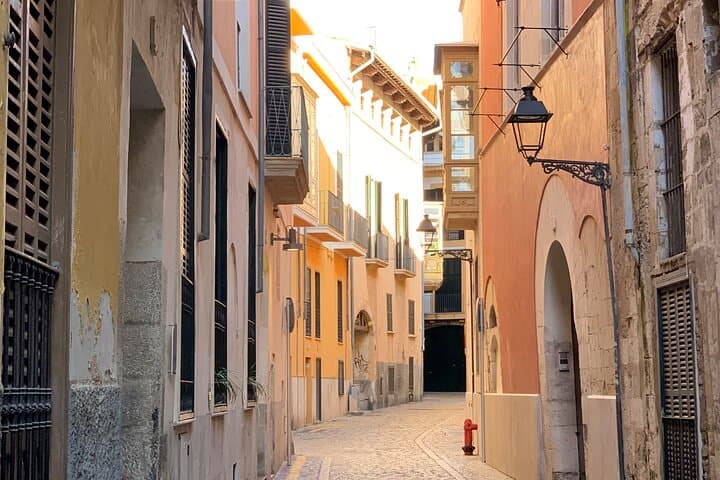
You step off the wide boulevard and into an alley where walls hold the city’s memory — a narrow lane that cools you under stone and late-morning light. Voices drift from a small café, and the smell of citrus and frying oil mixes with the faint tang of old leather. This is Palma’s quieter side: the hidden Jewish quarter behind the cathedral and the tanners’ lanes where craftsmen once worked near channels of running water.
Verified experiences and guided adventures in the surrounding area.
Operated by 48h in Mallorca · Palma, Balearic Islands
You step off the wide boulevard and into an alley where walls hold the city’s memory — a narrow lane that cools you under stone and late-morning light. Voices drift from a small café, and the smell of citrus and frying oil mixes with the faint tang of old leather. This is Palma’s quieter side: the hidden Jewish quarter behind the cathedral and the tanners’ lanes where craftsmen once worked near channels of running water.
The call of history here is direct. The Jewish quarter (El Call) preserves medieval street patterns and tells a story of coexistence and expulsion that shaped Palma’s social map. Nearby, the tanners’ quarter grew where water, dye and hides came together — a craft made inevitable by the island’s ports and Mediterranean trade. Geologically, Mallorca’s limestone underpins the old town; you’ll notice soft, honey-colored stone in façades and the cathedral’s massive blocks born of ancient seabeds.
Culturally, these alleys carry centuries: small squares that hosted markets, chapels with Baroque flourishes, and façades showing Moorish, Gothic and later Catalan influences. Local guides point out tucked-away patios, centuries-old thresholds and a few family-run bodegas serving local ensaimada and olives.
Practical notes: the tour is short and on foot — expect uneven paving and tight turns. Go early to avoid crowds and heat, wear comfortable soles, and carry a water bottle and sun protection. Bring curiosity and a camera; the real reward is the layered, human-scale stories written into the city’s stones.
easy.
2 hours.
Suitable for most fitness levels; requires steady walking on uneven surfaces for about 90–120 minutes.
The tour lasts about two hours and covers mainly the Old Town’s narrow lanes; expect light walking totaling roughly 1–2 kilometers.
Yes — the pace is gentle and the route is suitable for children, though some streets have uneven paving and occasional steps.
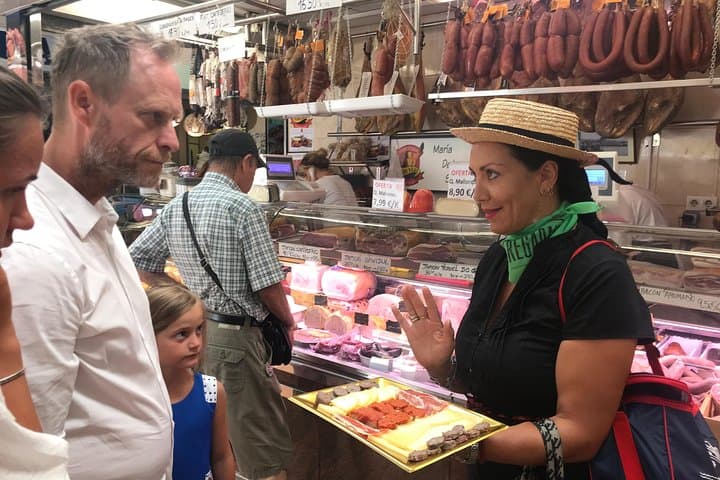
Yes, the tour typically includes small tastings of local snacks and an introduction to regional flavors.
Guides may be multilingual and can note accessibility constraints, but contact the operator in advance for specific accommodations.
Palma’s Jewish quarter dates to the medieval period when a vibrant Jewish community lived near the cathedral until expulsions and persecutions reshaped the district in the 14th–15th centuries.
The Old Town’s stone fabric is fragile; stick to marked paths, avoid touching carved surfaces excessively, and support local businesses that maintain traditional crafts.
48h in Mallorca operates guided outdoor trips and adventures with an emphasis on safety, stewardship, and memorable experiences.
You step off the wide boulevard and into an alley where walls hold the city’s memory — a narrow lane that cools you under stone and late-morning light. Voices drift from a small café, and the smell of citrus and frying oil mixes with the faint tang of old leather. This is Palma’s quieter side: the hidden Jewish quarter behind the cathedral and the tanners’ lanes where craftsmen once worked near channels of running water.
You step off the wide boulevard and into an alley where walls hold the city’s memory — a narrow lane that cools you under stone and late-morning light. Voices drift from a small café, and the smell of citrus and frying oil mixes with the faint tang of old leather. This is Palma’s quieter side: the hidden Jewish quarter behind the cathedral and the tanners’ lanes where craftsmen once worked near channels of running water.
The call of history here is direct. The Jewish quarter (El Call) preserves medieval street patterns and tells a story of coexistence and expulsion that shaped Palma’s social map. Nearby, the tanners’ quarter grew where water, dye and hides came together — a craft made inevitable by the island’s ports and Mediterranean trade. Geologically, Mallorca’s limestone underpins the old town; you’ll notice soft, honey-colored stone in façades and the cathedral’s massive blocks born of ancient seabeds.
Culturally, these alleys carry centuries: small squares that hosted markets, chapels with Baroque flourishes, and façades showing Moorish, Gothic and later Catalan influences. Local guides point out tucked-away patios, centuries-old thresholds and a few family-run bodegas serving local ensaimada and olives.
Practical notes: the tour is short and on foot — expect uneven paving and tight turns. Go early to avoid crowds and heat, wear comfortable soles, and carry a water bottle and sun protection. Bring curiosity and a camera; the real reward is the layered, human-scale stories written into the city’s stones.