THE ADVENTURE COLLECTIVE® · Independent discovery and booking for outdoor travel

Combine Mallorca’s historic wooden train, a coastal tram and a short coastal ferry to reach La Calobra in a single day from Palma. Expect dramatic limestone cliffs, a scenic boat ride and a relaxed hour-and-a-half to explore or swim at the Torrent de Pareis.
Combine Mallorca’s historic wooden train, a coastal tram and a short coastal ferry to reach La Calobra in a single day from Palma. Expect dramatic limestone cliffs, a scenic boat ride and a relaxed hour-and-a-half to explore or swim at the Torrent de Pareis.
You step out in Palma’s morning light, the old city washing down to the harbor as a century-old wooden train waits to climb the Serra de Tramuntana. The rattling carriages push through citrus-scented valleys, then the tram slides into the salt-sparked air of Puerto de Sóller. From the quay a small boat takes the sea — cliffs rise and dare you to look away as the water etches a white line along the rock.
Verified experiences and guided adventures in the surrounding area.
Operated by CityXperience · Palma de Mallorca, Balearic Islands
You step out in Palma’s morning light, the old city washing down to the harbor as a century-old wooden train waits to climb the Serra de Tramuntana. The rattling carriages push through citrus-scented valleys, then the tram slides into the salt-sparked air of Puerto de Sóller. From the quay a small boat takes the sea — cliffs rise and dare you to look away as the water etches a white line along the rock.
This loop stitches together Mallorca’s transport history and dramatic geology: the 20th-century Sóller railway carved a route across limestone folds, and the boat to La Calobra skirts the calcareous faces formed by tectonic uplift and sea erosion. La Calobra — at the mouth of the Torrent de Pareis — is a narrow gorge where spring water once cut a sheltered cove. Locals still fish these coves; in summer swimmers answer the sea’s invitation.
Expect a full 8-hour day of easy-paced travel: one hour on the train, a tram hop to the port, roughly 40 minutes by boat along the northwest coast, and about 1.5 hours free in La Calobra to walk the shoreline or take a dip depending on conditions. The return follows a serpentine mountain road, scenic but winding.
Practical edge: bring layered clothing for changing sea breezes, sturdy shoes for uneven village paths, and a small daypack with water and sun protection. If you want to swim, waterproof shoes and a quick-dry towel help. Travel insurance and checking weather for sea crossings are smart — the boat runs in fair conditions only. This trip is an efficient, sensory-packed way to see the Tramuntana from rail, road and sea.
easy.
8 hours.
Suitable for most fitness levels; primarily seated travel with short walks on uneven ground
The coastal crossing to La Calobra takes about 40 minutes, depending on sea conditions.
Yes — the itinerary notes stroller accessibility and the day is family-friendly, but expect some short walks on uneven ground at stops.
Swimming is possible when weather and sea conditions are calm; there’s typically a window of free time (around 90 minutes) to explore and swim if safe.
The tour notes hotel pick-up and drop-off (or a nearby meeting point) — confirm your pickup when booking.
The Sóller railway opened in the early 20th century to link Palma with citrus-producing valleys; the Serra de Tramuntana is a UNESCO World Heritage cultural landscape.
The Tramuntana coast and Torrent de Pareis are ecologically sensitive — stick to paths, pack out waste and obey local signage to protect cliffs and marine habitats.
CityXperience operates guided outdoor trips and adventures with an emphasis on safety, stewardship, and memorable experiences.

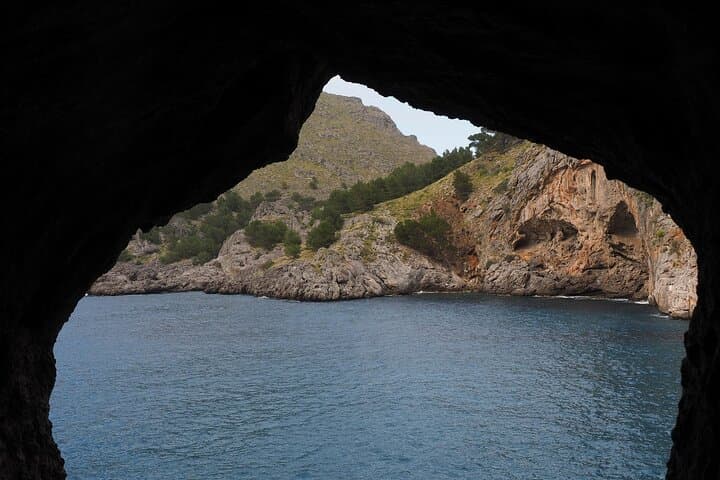


You step out in Palma’s morning light, the old city washing down to the harbor as a century-old wooden train waits to climb the Serra de Tramuntana. The rattling carriages push through citrus-scented valleys, then the tram slides into the salt-sparked air of Puerto de Sóller. From the quay a small boat takes the sea — cliffs rise and dare you to look away as the water etches a white line along the rock.
You step out in Palma’s morning light, the old city washing down to the harbor as a century-old wooden train waits to climb the Serra de Tramuntana. The rattling carriages push through citrus-scented valleys, then the tram slides into the salt-sparked air of Puerto de Sóller. From the quay a small boat takes the sea — cliffs rise and dare you to look away as the water etches a white line along the rock.
This loop stitches together Mallorca’s transport history and dramatic geology: the 20th-century Sóller railway carved a route across limestone folds, and the boat to La Calobra skirts the calcareous faces formed by tectonic uplift and sea erosion. La Calobra — at the mouth of the Torrent de Pareis — is a narrow gorge where spring water once cut a sheltered cove. Locals still fish these coves; in summer swimmers answer the sea’s invitation.
Expect a full 8-hour day of easy-paced travel: one hour on the train, a tram hop to the port, roughly 40 minutes by boat along the northwest coast, and about 1.5 hours free in La Calobra to walk the shoreline or take a dip depending on conditions. The return follows a serpentine mountain road, scenic but winding.
Practical edge: bring layered clothing for changing sea breezes, sturdy shoes for uneven village paths, and a small daypack with water and sun protection. If you want to swim, waterproof shoes and a quick-dry towel help. Travel insurance and checking weather for sea crossings are smart — the boat runs in fair conditions only. This trip is an efficient, sensory-packed way to see the Tramuntana from rail, road and sea.