THE ADVENTURE COLLECTIVE® · Independent discovery and booking for outdoor travel

Walk Palma’s medieval heart after dark on a two-hour guided route that threads the cathedral, former palace sites and lively market boulevards, ending at a local tapas bar. Ideal for travelers who want history, easy evening exercise and a taste of Mallorcan nightlife.
Walk Palma’s medieval heart after dark on a two-hour guided route that threads the cathedral, former palace sites and lively market boulevards, ending at a local tapas bar. Ideal for travelers who want history, easy evening exercise and a taste of Mallorcan nightlife.
The sun slips below the Serra de Tramuntana and Palma’s old streets cool; the city’s stone breathes out heat and history. By 7:30 pm the lamps along Avinguda de Antonio Maura pick out carved doorways and the silhouette of La Seu cathedral, its buttresses cutting a dark shape against the sky. You move through narrow lanes where café chatter and the clink of glasses slip into the hush of the evening.
Verified experiences and guided adventures in the surrounding area.
Operated by 48h in Mallorca · Palma, Balearic Islands
The sun slips below the Serra de Tramuntana and Palma’s old streets cool; the city’s stone breathes out heat and history. By 7:30 pm the lamps along Avinguda de Antonio Maura pick out carved doorways and the silhouette of La Seu cathedral, its buttresses cutting a dark shape against the sky. You move through narrow lanes where café chatter and the clink of glasses slip into the hush of the evening.
This is a city layered in time: Roman foundations, a strong Moorish presence in street patterns and the original palace footprint, Gothic expansions after the Christian reconquest, and an 18th–19th century civic life that opened boulevards and markets. Geology is visible too — local limestone and marble form facades that take on a warm honey tone under streetlights. Culture here is tactile: shutters shut late, small esplanades fill with locals, and markets still trade olive oil and citrus.
Expect two hours of steady walking on cobblestones and paved boulevards, passing the cathedral, former royal palace sites, and Palma’s historic market areas, finishing in a typical tapas bar where Spanish and Mallorcan flavors meet. The tour is private, requires moderate fitness, and works best when temperatures have eased after sunset.
Practical notes: wear supportive shoes for uneven surfaces, bring a small light or use your phone at darker alleys, carry a refillable bottle, and be prepared for narrow passages and occasional steps. Timing after 7:30 pm means cooler air and active nightlife; arrive early to meet the guide at the corner of Avinguda de Antonio Maura. This is an accessible, atmospheric way to read Palma’s past and present through its streets.
moderate.
2 hours.
Should be comfortable standing and walking 2–3 miles on uneven cobble and pavement; moderate mobility required.
The meeting point is the corner of Avinguda de Antonio Maura; arrive a few minutes early to check in with the guide.
No; the route passes major sites and provides commentary but does not include paid admissions to monuments.
This listing is for a private tour, but a minimum of two people per booking is required; confirm booking details at purchase.
For a full refund cancel at least 24 hours before the scheduled departure time; last-minute cancellations are not refunded.
Palma’s street grid preserves Moorish-era alignments overlaid by medieval Christian expansions; the current cathedral owes much to 13th–17th century Gothic rebuilding.
Respecting historic fabric matters—stick to marked paths, avoid touching fragile stonework, and support local businesses to keep the old city economically viable.
48h in Mallorca operates guided outdoor trips and adventures with an emphasis on safety, stewardship, and memorable experiences.
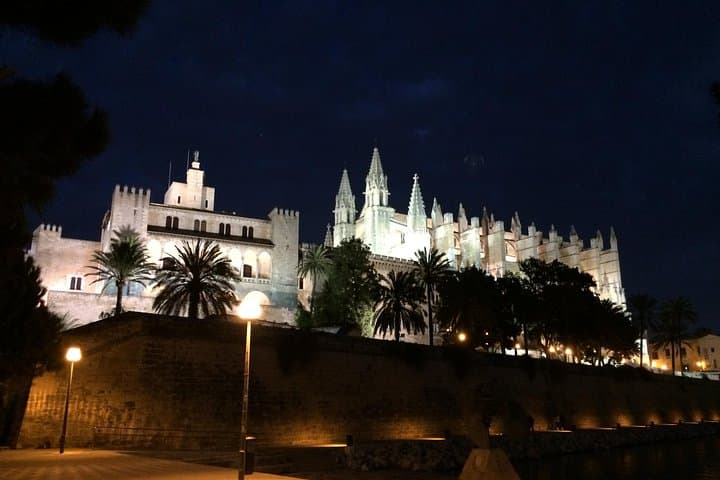
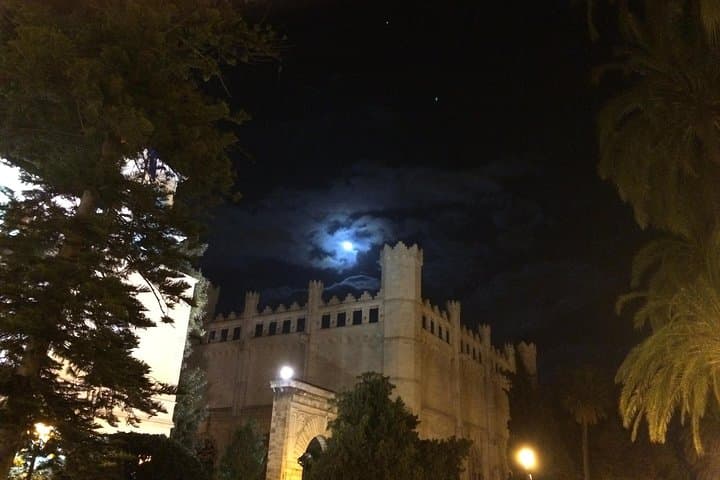
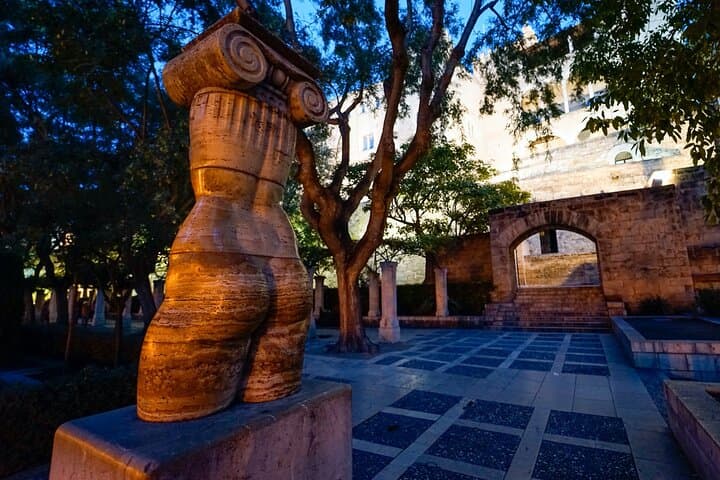
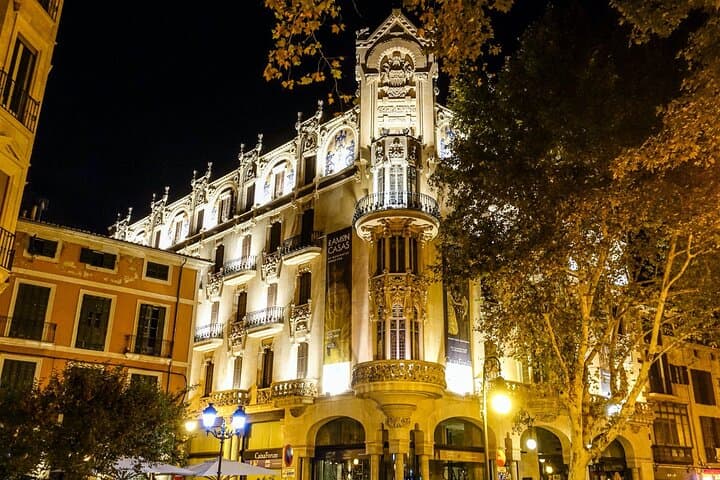
The sun slips below the Serra de Tramuntana and Palma’s old streets cool; the city’s stone breathes out heat and history. By 7:30 pm the lamps along Avinguda de Antonio Maura pick out carved doorways and the silhouette of La Seu cathedral, its buttresses cutting a dark shape against the sky. You move through narrow lanes where café chatter and the clink of glasses slip into the hush of the evening.
The sun slips below the Serra de Tramuntana and Palma’s old streets cool; the city’s stone breathes out heat and history. By 7:30 pm the lamps along Avinguda de Antonio Maura pick out carved doorways and the silhouette of La Seu cathedral, its buttresses cutting a dark shape against the sky. You move through narrow lanes where café chatter and the clink of glasses slip into the hush of the evening.
This is a city layered in time: Roman foundations, a strong Moorish presence in street patterns and the original palace footprint, Gothic expansions after the Christian reconquest, and an 18th–19th century civic life that opened boulevards and markets. Geology is visible too — local limestone and marble form facades that take on a warm honey tone under streetlights. Culture here is tactile: shutters shut late, small esplanades fill with locals, and markets still trade olive oil and citrus.
Expect two hours of steady walking on cobblestones and paved boulevards, passing the cathedral, former royal palace sites, and Palma’s historic market areas, finishing in a typical tapas bar where Spanish and Mallorcan flavors meet. The tour is private, requires moderate fitness, and works best when temperatures have eased after sunset.
Practical notes: wear supportive shoes for uneven surfaces, bring a small light or use your phone at darker alleys, carry a refillable bottle, and be prepared for narrow passages and occasional steps. Timing after 7:30 pm means cooler air and active nightlife; arrive early to meet the guide at the corner of Avinguda de Antonio Maura. This is an accessible, atmospheric way to read Palma’s past and present through its streets.