THE ADVENTURE COLLECTIVE® · Independent discovery and booking for outdoor travel

A private six-hour tour from Palma’s cruise port that links the mountain villages of Valldemossa and Deià with a quick taste of Palma’s Gothic heart. Ideal for travelers who want concentrated culture, dramatic coastal geology and hassle-free transport.
A private six-hour tour from Palma’s cruise port that links the mountain villages of Valldemossa and Deià with a quick taste of Palma’s Gothic heart. Ideal for travelers who want concentrated culture, dramatic coastal geology and hassle-free transport.
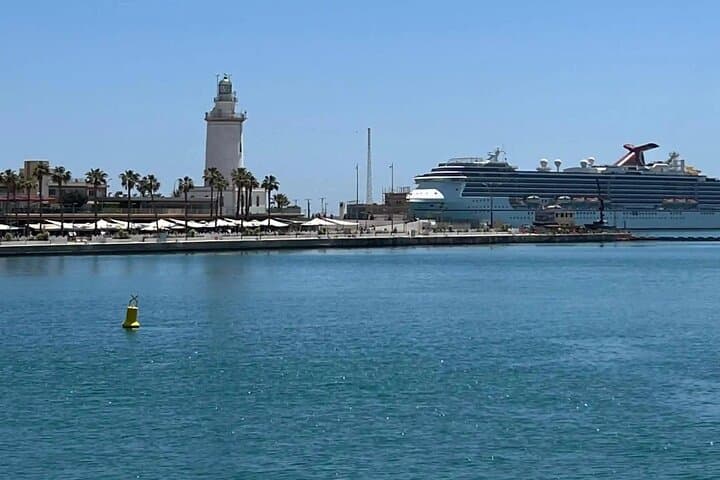
You step off the ship into a sunlit port and into a private, air-conditioned car that eases you west toward the Serra de Tramuntana. The road climbs, olive groves and dry-stone walls sliding by, until cobbled lanes and slate roofs arrive—Valldemossa first, with church bells and the hush of monastery courtyards.
Verified experiences and guided adventures in the surrounding area.
Operated by Tour Passion · Palma de Mallorca, Balearic Islands
You step off the ship into a sunlit port and into a private, air-conditioned car that eases you west toward the Serra de Tramuntana. The road climbs, olive groves and dry-stone walls sliding by, until cobbled lanes and slate roofs arrive—Valldemossa first, with church bells and the hush of monastery courtyards.
Valldemossa’s stone lanes and the Royal Carthusian Monastery (La Cartuja) speak to a layered history: medieval religious foundations, a brief 19th‑century artistic exile when Chopin and George Sand stayed, and a local culture shaped by mountain agriculture. Geologically, the Serra de Tramuntana is a rugged limestone spine carved by Mediterranean rain and wind, producing terraced fields and sheer coastal drops that frame Deià’s cliffs and bays.
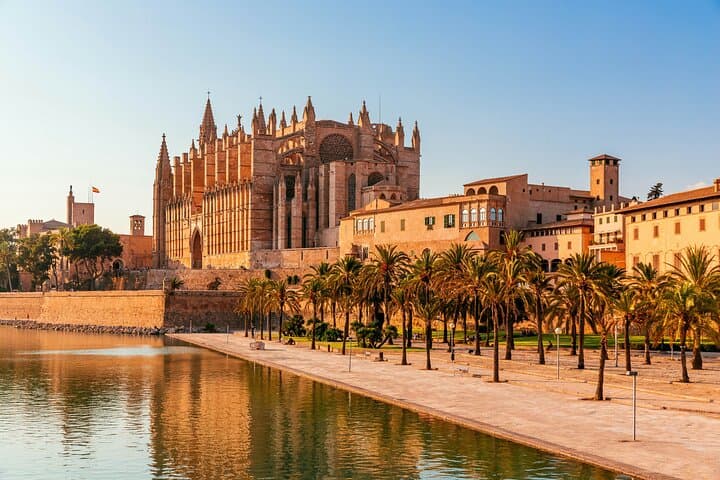
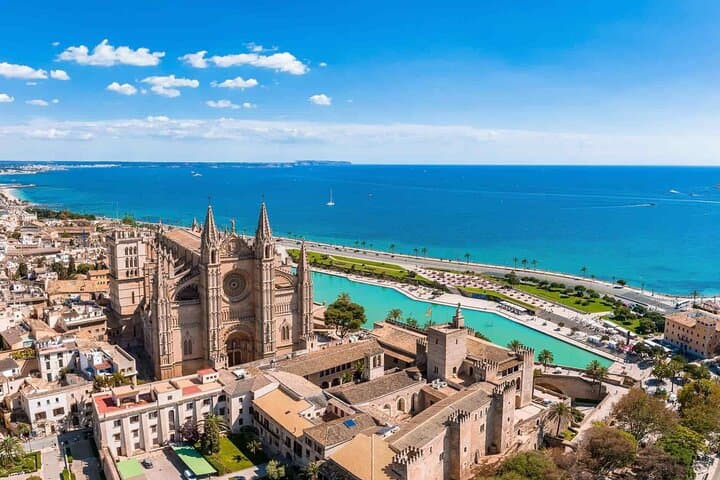
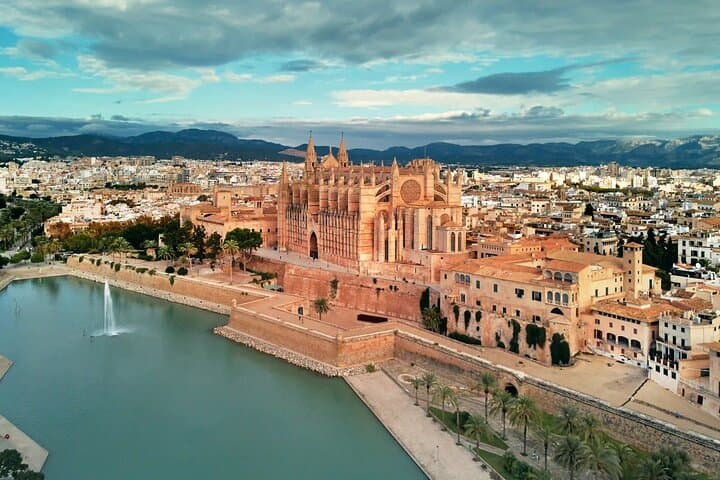
Deià rewards with narrow streets, low-profile cafés and views where the sea seems to pull at the cliffs. Back toward Palma, the city’s Gothic cathedral, La Seu, and the old harbor show the island’s maritime trade and Catalan influences.
Practical guidance: this private six-hour transfer begins and ends at the port, includes an English-speaking driver, parking fees and flexible stops at key sights; there is minimal walking but expect uneven cobbles in villages. Best time for light and fewer crowds is morning or late afternoon; bring sun protection, a reusable water bottle and comfortable shoes with grip. If you prefer a slower pace, ask your driver to extend a village stop—this tour is structured for impression and access rather than deep hikes. It’s an efficient, scenic way to sample Mallorca’s coastal mountains and historic towns on a half-day schedule.
easy.
6 hours.
Suitable for most fitness levels; limited walking but some standing and cobbles required
Pickup and drop-off are at the cruise port; confirm your ship’s berth and disembarkation time when booking.
Admissions are not included—this tour provides access and stops but entrance fees are paid on-site if you choose to enter.
The tour is family-friendly, but village streets are narrow and cobbled—folding strollers may be awkward in some spots.
All sales are final; the operator does not offer refunds for cancellations.
The Serra de Tramuntana shaped Mallorca’s settlement patterns; monastic houses like La Cartuja and coastal harbors reflect centuries of religious, agricultural and maritime history, with 19th‑century artist visits adding cultural cachet.
The Serra de Tramuntana is a UNESCO World Heritage cultural landscape—respect terraces and fragile soils, stick to marked paths and support local businesses to maintain village economies.
Tour Passion operates guided outdoor trips and adventures with an emphasis on safety, stewardship, and memorable experiences.
You step off the ship into a sunlit port and into a private, air-conditioned car that eases you west toward the Serra de Tramuntana. The road climbs, olive groves and dry-stone walls sliding by, until cobbled lanes and slate roofs arrive—Valldemossa first, with church bells and the hush of monastery courtyards.
You step off the ship into a sunlit port and into a private, air-conditioned car that eases you west toward the Serra de Tramuntana. The road climbs, olive groves and dry-stone walls sliding by, until cobbled lanes and slate roofs arrive—Valldemossa first, with church bells and the hush of monastery courtyards.
Valldemossa’s stone lanes and the Royal Carthusian Monastery (La Cartuja) speak to a layered history: medieval religious foundations, a brief 19th‑century artistic exile when Chopin and George Sand stayed, and a local culture shaped by mountain agriculture. Geologically, the Serra de Tramuntana is a rugged limestone spine carved by Mediterranean rain and wind, producing terraced fields and sheer coastal drops that frame Deià’s cliffs and bays.
Deià rewards with narrow streets, low-profile cafés and views where the sea seems to pull at the cliffs. Back toward Palma, the city’s Gothic cathedral, La Seu, and the old harbor show the island’s maritime trade and Catalan influences.
Practical guidance: this private six-hour transfer begins and ends at the port, includes an English-speaking driver, parking fees and flexible stops at key sights; there is minimal walking but expect uneven cobbles in villages. Best time for light and fewer crowds is morning or late afternoon; bring sun protection, a reusable water bottle and comfortable shoes with grip. If you prefer a slower pace, ask your driver to extend a village stop—this tour is structured for impression and access rather than deep hikes. It’s an efficient, scenic way to sample Mallorca’s coastal mountains and historic towns on a half-day schedule.