THE ADVENTURE COLLECTIVE® · Independent discovery and booking for outdoor travel

Sit with a Balinese Balian in Ubud for a 75‑minute palm reading that blends ancestral ritual, practical counsel, and local culture. Learn what to expect, how to prepare, and why the setting matters.
Sit with a Balinese Balian in Ubud for a 75‑minute palm reading that blends ancestral ritual, practical counsel, and local culture. Learn what to expect, how to prepare, and why the setting matters.
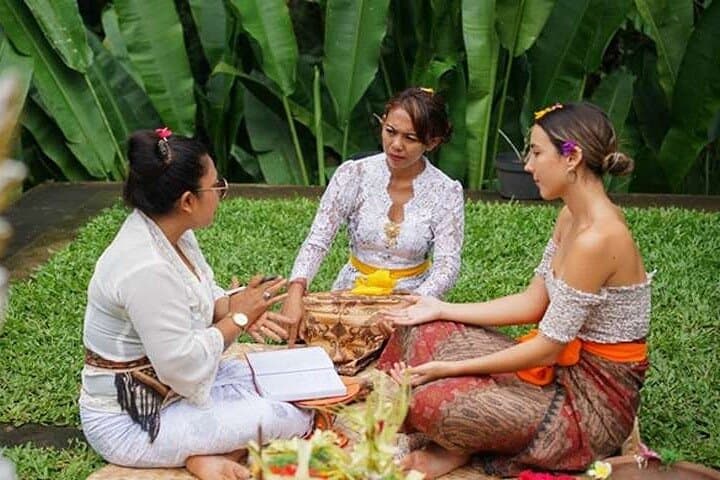
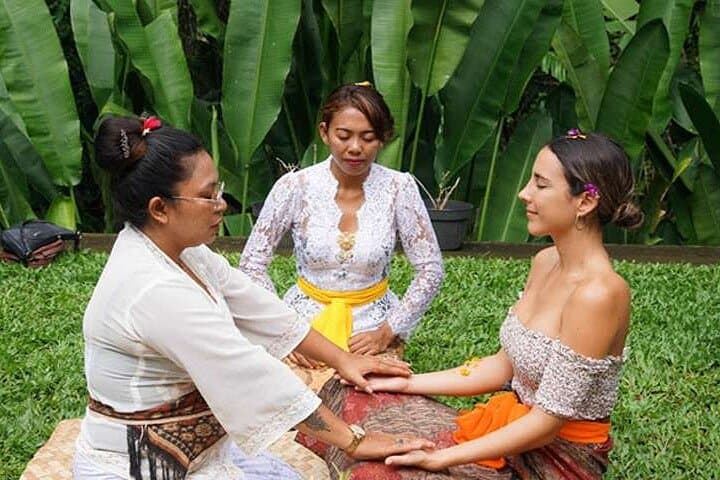
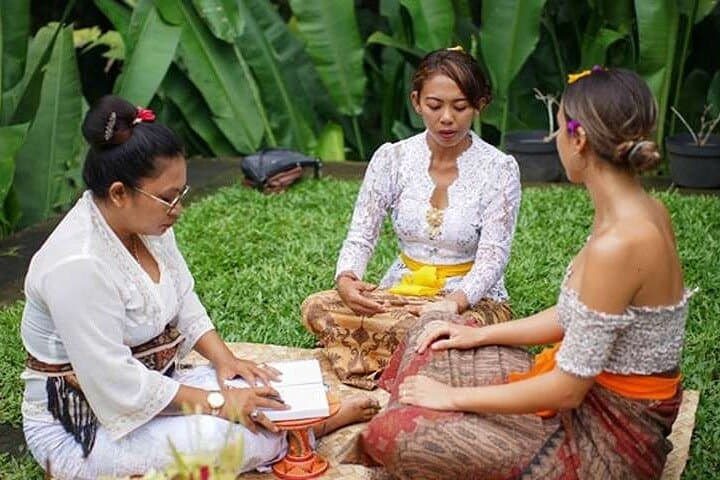
You sit on a low wooden bench while smoke from burning incense curls through a shaded courtyard; soft gamelan rhythms come from a neighboring compound and the world outside the temple gate hums with scooters and distant rice paddies. The Balian—Balinese traditional healer—takes your hand with careful attention, reading the lines and mounts as if following a map of lived choices and future possibilities.
Verified experiences and guided adventures in the surrounding area.
Operated by PT Kaniva Jaya Abadi · Ubud, Bali
You sit on a low wooden bench while smoke from burning incense curls through a shaded courtyard; soft gamelan rhythms come from a neighboring compound and the world outside the temple gate hums with scooters and distant rice paddies. The Balian—Balinese traditional healer—takes your hand with careful attention, reading the lines and mounts as if following a map of lived choices and future possibilities.
Palm reading in Ubud is rooted in Bali’s layered history: Hindu-Balinese ritual practice blended with animist ancestor veneration. The island’s volcanic soils and terraced fields have shaped not just its landscape but its spiritual vocabulary—offerings, mantras, and ritual gestures reference mountains, rice spirits, and family lineage.
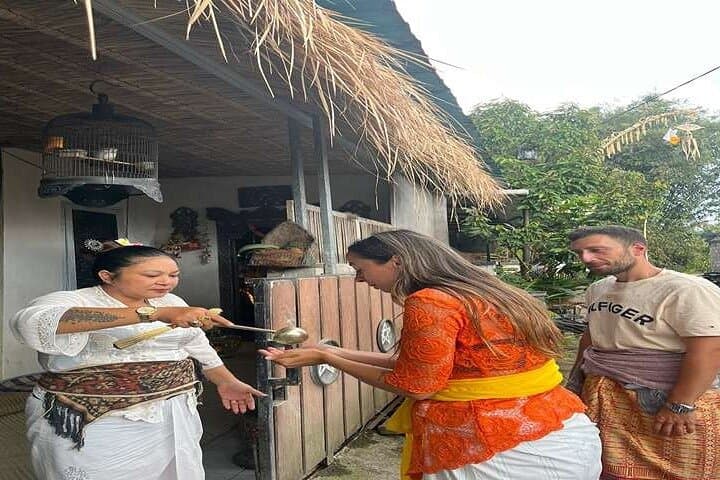
Expect a ritual tone rather than a stage show: incense, a sarong (provided), and quiet guidance tied to local cosmology. The shaman may use prayer, ancestral invocation, and practical counsel rather than literal predictions. Ubud’s cultural heartbeat—temples, dance, and craft—frames the experience, making it part spiritual consultation, part cultural exchange.
Practical notes: sessions run about 75 minutes, are wheelchair accessible, and usually host small groups (up to 15). Bring comfortable clothing, an open mind, and a modesty-aware mindset for temple etiquette. Ask before photographing rituals and consider tipping if the reading provides value. Morning slots are cooler and less crowded; avoid heavy afternoon rain during the monsoon. This is a calm, reflective encounter—not an adrenaline pursuit—but it’s vivid, locally anchored, and distinctly Balinese.
easy.
1–1.5 hours.
Suitable for all fitness levels; the experience is seated and low-impact
The experience lasts approximately 75 minutes and includes time for an explanation and any questions you may have.
Yes; the provider notes wheelchair accessibility for areas and transportation options associated with the session.
Photographs of rituals or the shaman should only be taken with explicit permission—some moments are considered private or sacred.
Many practitioners welcome visitors in English; if your shaman prefers Indonesian, the host often provides basic translation or explanation to ensure understanding.
Balinese healing traditions combine Hindu-Buddhist influences with local ancestor veneration; the Balian acts as spiritual consultant, healer, and community advisor.
Respect temple offerings and local customs, avoid feeding wildlife (especially monkeys), and support practitioners directly rather than buying cheap souvenirs from exploitative vendors.
PT Kaniva Jaya Abadi operates guided outdoor trips and adventures with an emphasis on safety, stewardship, and memorable experiences.
You sit on a low wooden bench while smoke from burning incense curls through a shaded courtyard; soft gamelan rhythms come from a neighboring compound and the world outside the temple gate hums with scooters and distant rice paddies. The Balian—Balinese traditional healer—takes your hand with careful attention, reading the lines and mounts as if following a map of lived choices and future possibilities.
You sit on a low wooden bench while smoke from burning incense curls through a shaded courtyard; soft gamelan rhythms come from a neighboring compound and the world outside the temple gate hums with scooters and distant rice paddies. The Balian—Balinese traditional healer—takes your hand with careful attention, reading the lines and mounts as if following a map of lived choices and future possibilities.
Palm reading in Ubud is rooted in Bali’s layered history: Hindu-Balinese ritual practice blended with animist ancestor veneration. The island’s volcanic soils and terraced fields have shaped not just its landscape but its spiritual vocabulary—offerings, mantras, and ritual gestures reference mountains, rice spirits, and family lineage.
Expect a ritual tone rather than a stage show: incense, a sarong (provided), and quiet guidance tied to local cosmology. The shaman may use prayer, ancestral invocation, and practical counsel rather than literal predictions. Ubud’s cultural heartbeat—temples, dance, and craft—frames the experience, making it part spiritual consultation, part cultural exchange.
Practical notes: sessions run about 75 minutes, are wheelchair accessible, and usually host small groups (up to 15). Bring comfortable clothing, an open mind, and a modesty-aware mindset for temple etiquette. Ask before photographing rituals and consider tipping if the reading provides value. Morning slots are cooler and less crowded; avoid heavy afternoon rain during the monsoon. This is a calm, reflective encounter—not an adrenaline pursuit—but it’s vivid, locally anchored, and distinctly Balinese.