THE ADVENTURE COLLECTIVE® · Independent discovery and booking for outdoor travel

Ride a high-speed elevator to the 60th floor and take in 360° views of Palm Jumeirah, the Dubai skyline and the Arabian Gulf. This short visit pairs panoramic photography opportunities with an interactive museum about the island’s construction.
Ride a high-speed elevator to the 60th floor and take in 360° views of Palm Jumeirah, the Dubai skyline and the Arabian Gulf. This short visit pairs panoramic photography opportunities with an interactive museum about the island’s construction.
The elevator hums, digital panels narrate the island’s creation and the glass lifts you toward the 60th floor. Outside, the Arabian Gulf pushes a bright horizon against the curved silhouette of Palm Jumeirah; the city’s towers lean into the light like eager spectators. From the observation deck you can scan the Burj Khalifa’s needle, trace the fronds of the palm island, and watch ferries stitch white lines across the water.
Verified experiences and guided adventures in the surrounding area.
Operated by Vivatrek · Dubai, Dubai
The elevator hums, digital panels narrate the island’s creation and the glass lifts you toward the 60th floor. Outside, the Arabian Gulf pushes a bright horizon against the curved silhouette of Palm Jumeirah; the city’s towers lean into the light like eager spectators. From the observation deck you can scan the Burj Khalifa’s needle, trace the fronds of the palm island, and watch ferries stitch white lines across the water.
The Palm Jumeirah is a modern engineering chapter: land reclamation and breakwaters built in the 2000s transformed seabed and sand into a palm-shaped archipelago. The observation deck doubles as a small museum that outlines that history—how dredged sand, rock cores and coastal engineering produced Dubai’s most photographed coastline.
Culture here is recent and conspicuously designed: luxury hotels, marina life and leisure commerce meet local fishing traditions and migrant labor histories just out of sight. Geology is human-made but the sea remains a living partner—tides and currents shape what was built and what visitors see.
Practical guidance: plan 30–60 minutes; sunset is busiest but most rewarding for color and silhouette. Weekday mornings are quieter. Tickets are mobile-friendly and security checks are straightforward; there’s elevator access for guests with mobility needs. Bring a camera or smartphone, a light layer for breezy terraces, and hydrate if you move between levels in Dubai’s heat. Combine the visit with Nakheel Mall or a stroll along the Palm’s trunk to extend the outing and get a ground-level perspective of the island’s scale.
easy.
30–60 minutes.
Suitable for all physical fitness levels; mostly standing and elevator access.
Allow 30–60 minutes to view exhibits, take photos and spend time on the observation platform.
Yes—elevators and level access are provided; notify staff of any special requirements when booking.
Tickets are available as mobile tickets and booking in advance is recommended during peak times to secure preferred slots.
Yes—photography is allowed; use care not to block walkways or interfere with other visitors.
Palm Jumeirah was built in the early 2000s using large-scale land reclamation and engineered breakwaters, creating one of the world’s largest artificial islands.
The Palm’s construction altered coastal habitats; visitors can help by disposing of waste responsibly and supporting local marine conservation initiatives.
Vivatrek operates guided outdoor trips and adventures with an emphasis on safety, stewardship, and memorable experiences.
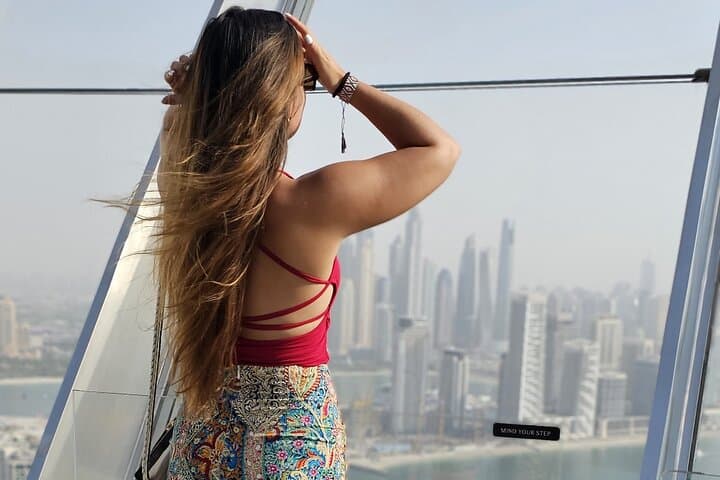
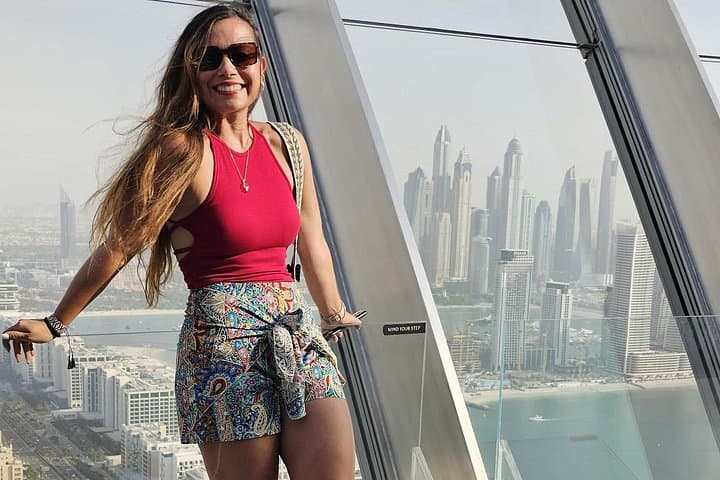
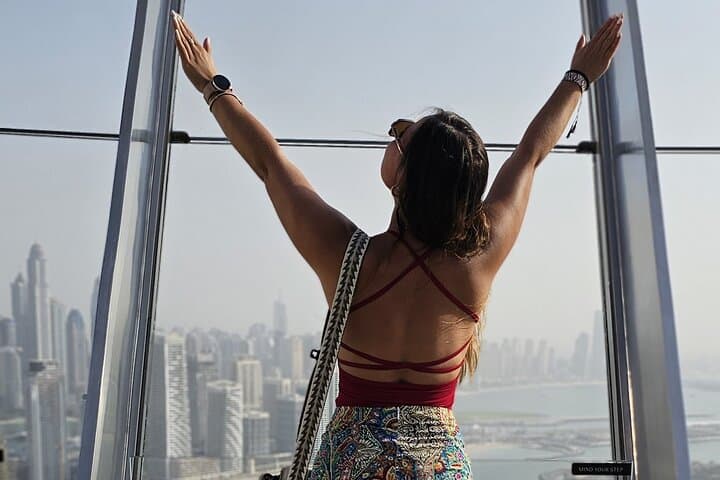
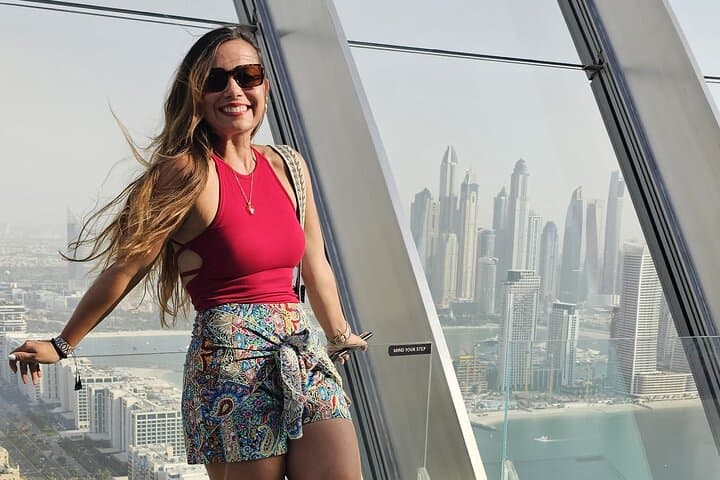
The elevator hums, digital panels narrate the island’s creation and the glass lifts you toward the 60th floor. Outside, the Arabian Gulf pushes a bright horizon against the curved silhouette of Palm Jumeirah; the city’s towers lean into the light like eager spectators. From the observation deck you can scan the Burj Khalifa’s needle, trace the fronds of the palm island, and watch ferries stitch white lines across the water.
The elevator hums, digital panels narrate the island’s creation and the glass lifts you toward the 60th floor. Outside, the Arabian Gulf pushes a bright horizon against the curved silhouette of Palm Jumeirah; the city’s towers lean into the light like eager spectators. From the observation deck you can scan the Burj Khalifa’s needle, trace the fronds of the palm island, and watch ferries stitch white lines across the water.
The Palm Jumeirah is a modern engineering chapter: land reclamation and breakwaters built in the 2000s transformed seabed and sand into a palm-shaped archipelago. The observation deck doubles as a small museum that outlines that history—how dredged sand, rock cores and coastal engineering produced Dubai’s most photographed coastline.
Culture here is recent and conspicuously designed: luxury hotels, marina life and leisure commerce meet local fishing traditions and migrant labor histories just out of sight. Geology is human-made but the sea remains a living partner—tides and currents shape what was built and what visitors see.
Practical guidance: plan 30–60 minutes; sunset is busiest but most rewarding for color and silhouette. Weekday mornings are quieter. Tickets are mobile-friendly and security checks are straightforward; there’s elevator access for guests with mobility needs. Bring a camera or smartphone, a light layer for breezy terraces, and hydrate if you move between levels in Dubai’s heat. Combine the visit with Nakheel Mall or a stroll along the Palm’s trunk to extend the outing and get a ground-level perspective of the island’s scale.