THE ADVENTURE COLLECTIVE® · Independent discovery and booking for outdoor travel

A gentle 1.5-hour camel ride through Marrakech’s Palmeraie puts you within reach of palm-lined oases and Atlas Mountain views. Return to the kasbah for mint tea and honeyed msemmen after a short, easy desert circuit.
A gentle 1.5-hour camel ride through Marrakech’s Palmeraie puts you within reach of palm-lined oases and Atlas Mountain views. Return to the kasbah for mint tea and honeyed msemmen after a short, easy desert circuit.
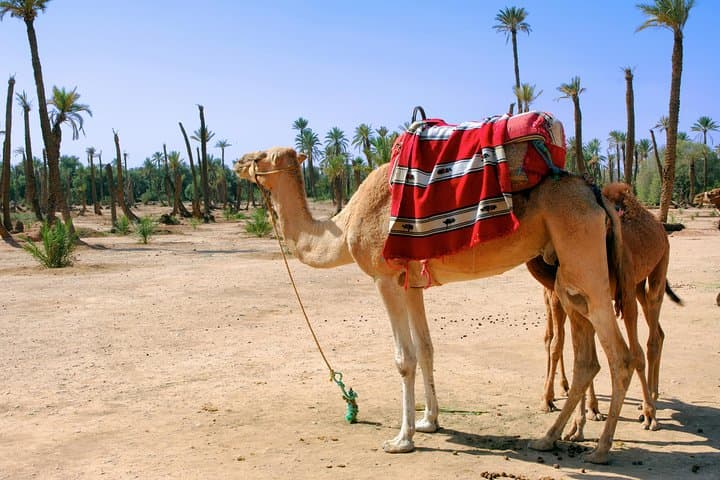
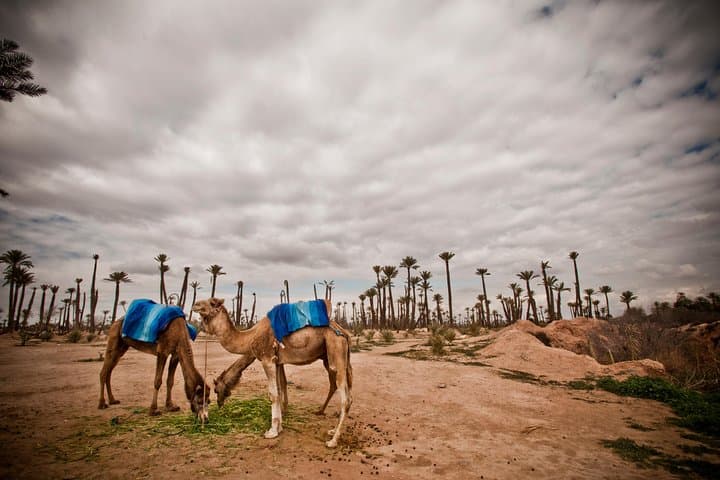
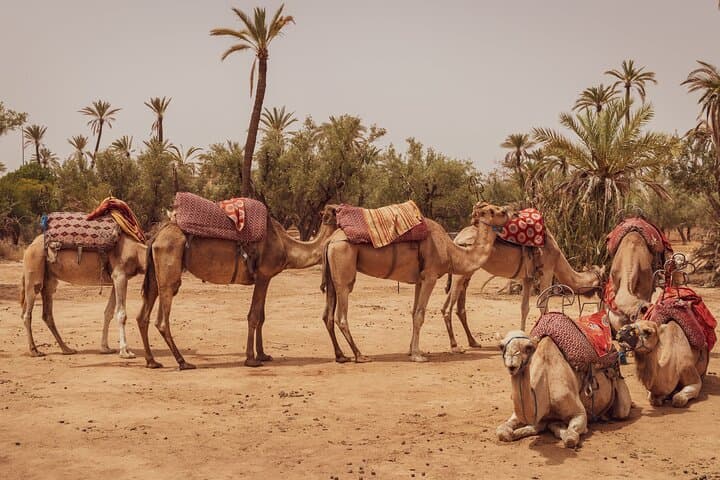
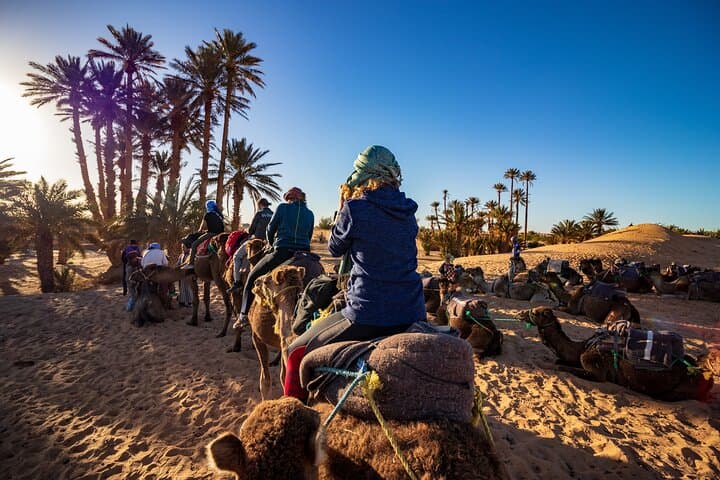
You climb into the saddle as palms lean in like curious onlookers; a slow, rhythmic gait sets the pace and Marrakech melts behind you. The Palmeraie opens into long rows of date palms and scrub, and the camel’s steady sway lets you take in distant, snow-capped Atlas peaks on clear days. This is not the Sahara’s endless dunes, but a pocket of oasis life where wadi lines and kiln ruins punctuate the flat, sunbaked terrain.
Verified experiences and guided adventures in the surrounding area.
Operated by Gray Line Marrakech · Marrakech, Marrakech-Safi
You climb into the saddle as palms lean in like curious onlookers; a slow, rhythmic gait sets the pace and Marrakech melts behind you. The Palmeraie opens into long rows of date palms and scrub, and the camel’s steady sway lets you take in distant, snow-capped Atlas peaks on clear days. This is not the Sahara’s endless dunes, but a pocket of oasis life where wadi lines and kiln ruins punctuate the flat, sunbaked terrain.
The Palmeraie grew where irrigation and human hands turned dry terraces into working groves centuries ago; caravans once skirted these edges on their way to the city’s kasbah. Geologically the area sits on alluvial plains fed by the Oued Tansift during rainy seasons, creating riverine patches that host palms and local agriculture. Culturally the ride ties directly into Moroccan hospitality: you’ll end with poured mint tea and msemmen or baghrir, and wear a chech and gandora supplied by the operator — practical garments with deep roots in North African desert travel.
Practical guidance: the camel leg runs about 1.5 hours (roughly 4–6 km at a slow pace) within a 3-hour tour including pickup. Terrain is flat sandy tracks with minimal elevation change; wear closed-toe shoes and sunscreen. Best times are early morning or late afternoon to avoid peak heat. Carry water, a sun hat, and modest layers — operators often provide sun scarves. Respect animals and local customs: don’t feed camels, follow your handler’s instructions, and tip if service is good. The experience is accessible to most fitness levels and offers a calm, tactile connection to Marrakech’s more rural edge.
easy.
1.5–3 hours.
Suitable for most fitness levels; must be able to mount and sit on a camel for 90 minutes.
Yes; operators note the activity is family-friendly and infant seats are available, but always confirm age and weight limits when booking.
Pickup and drop-off from Marrakech, a 1.5-hour camel ride, traditional clothing (chech and gandora), and mint tea with pancakes at the conclusion.
Handlers lead every camel and safety briefings are standard; if animal welfare is a priority, ask the operator about care and handling practices before booking.
Tipping is customary in Morocco; plan to tip the camel handler and driver if you’re satisfied with the service.
The Palmeraie developed over centuries as an irrigated palm oasis serving Marrakech’s agricultural and domestic needs; caravan and kasbah routes have long threaded its edges.
Stick to designated tracks to protect root systems and groundwater recharge areas, and choose operators that limit group sizes and avoid overworking animals.
Gray Line Marrakech operates guided outdoor trips and adventures with an emphasis on safety, stewardship, and memorable experiences.
You climb into the saddle as palms lean in like curious onlookers; a slow, rhythmic gait sets the pace and Marrakech melts behind you. The Palmeraie opens into long rows of date palms and scrub, and the camel’s steady sway lets you take in distant, snow-capped Atlas peaks on clear days. This is not the Sahara’s endless dunes, but a pocket of oasis life where wadi lines and kiln ruins punctuate the flat, sunbaked terrain.
You climb into the saddle as palms lean in like curious onlookers; a slow, rhythmic gait sets the pace and Marrakech melts behind you. The Palmeraie opens into long rows of date palms and scrub, and the camel’s steady sway lets you take in distant, snow-capped Atlas peaks on clear days. This is not the Sahara’s endless dunes, but a pocket of oasis life where wadi lines and kiln ruins punctuate the flat, sunbaked terrain.
The Palmeraie grew where irrigation and human hands turned dry terraces into working groves centuries ago; caravans once skirted these edges on their way to the city’s kasbah. Geologically the area sits on alluvial plains fed by the Oued Tansift during rainy seasons, creating riverine patches that host palms and local agriculture. Culturally the ride ties directly into Moroccan hospitality: you’ll end with poured mint tea and msemmen or baghrir, and wear a chech and gandora supplied by the operator — practical garments with deep roots in North African desert travel.
Practical guidance: the camel leg runs about 1.5 hours (roughly 4–6 km at a slow pace) within a 3-hour tour including pickup. Terrain is flat sandy tracks with minimal elevation change; wear closed-toe shoes and sunscreen. Best times are early morning or late afternoon to avoid peak heat. Carry water, a sun hat, and modest layers — operators often provide sun scarves. Respect animals and local customs: don’t feed camels, follow your handler’s instructions, and tip if service is good. The experience is accessible to most fitness levels and offers a calm, tactile connection to Marrakech’s more rural edge.