THE ADVENTURE COLLECTIVE® · Independent discovery and booking for outdoor travel

Explore Paliachora, Aegina’s medieval capital, on a guided 3-hour walk over stone lanes and ridge-top ruins. Expect sea vistas, local myths, and easy but uneven terrain—perfect for a half-day cultural hike.
Explore Paliachora, Aegina’s medieval capital, on a guided 3-hour walk over stone lanes and ridge-top ruins. Expect sea vistas, local myths, and easy but uneven terrain—perfect for a half-day cultural hike.
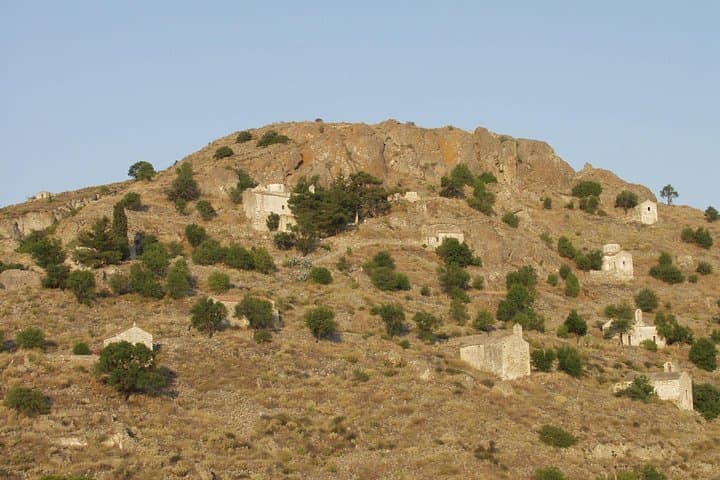
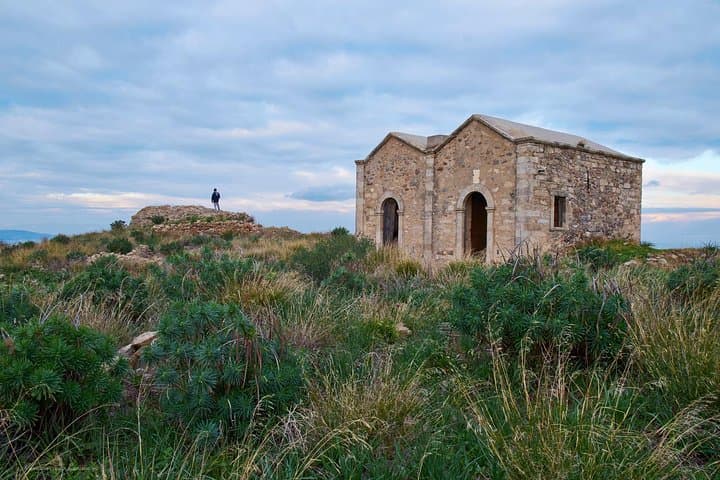
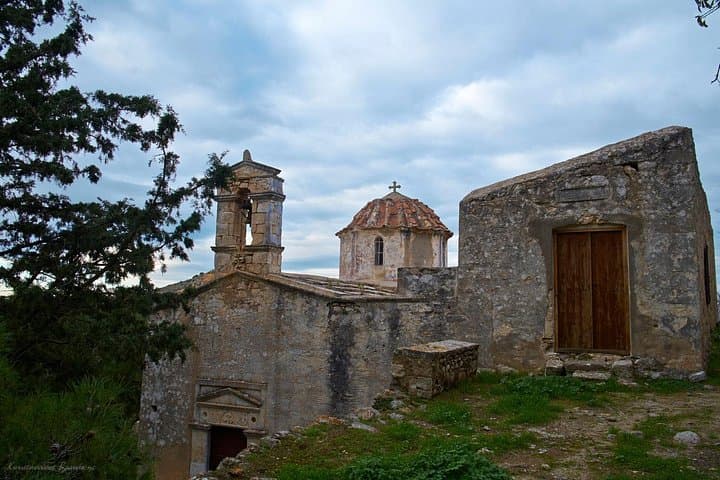
You step off the ferry and the island’s wind finds you—salty, impatient, tugging at your jacket as the road climbs toward stone ruins perched above a scattering of olive trees. Paliachora’s low walls and collapsed arches frame Aegean flashes: fishing boats, the mainland’s distant haze, and terraces that once fed a medieval capital.
Verified experiences and guided adventures in the surrounding area.
Operated by AEGINA DREAM TRAVEL · Aegina, Attica
You step off the ferry and the island’s wind finds you—salty, impatient, tugging at your jacket as the road climbs toward stone ruins perched above a scattering of olive trees. Paliachora’s low walls and collapsed arches frame Aegean flashes: fishing boats, the mainland’s distant haze, and terraces that once fed a medieval capital.
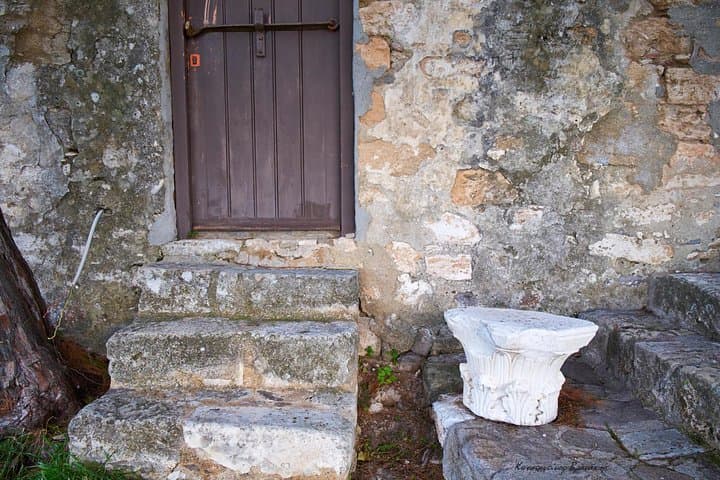
The site was a defensive settlement and commercial hub in medieval times; its fragments of fortification and narrow lanes reflect centuries of island life shaped by sea trade and periodic raids. Geologically, the island is a sheet of schist and marble folds; the climb is over scrubby limestone and packed dirt where the occasional spring-fed gully still gathers water after winter rains.
Local lore travels with the guide—tales of corsairs, Byzantine households, and an elder who kept the last olive press going through wartime. Culture here is quiet and direct: cafés in nearby villages still angle espresso toward passing fishermen and hikers.
Practical: this is a 3-hour walking experience with some uneven stone paths and short steep sections—suitable for most fitness levels. Expect 4–6 km of walking depending on route, limited shade, and no major technical challenges. Bring sun protection, steady shoes, bottled water (provided but refillable bottles recommended), and a light layer for coastal gusts. Morning departures avoid the hottest sun and give you clearer views toward the mainland. Respect fragile masonry: keep to paths and don’t climb unstable walls. The reward is a raw, wind-scoured glimpse of Aegean history and a panoramic finale that makes the climb worth the breath it takes.
easy.
3 hours.
Lightly active; suitable for travelers who can walk 3–6 km over uneven terrain with short climbs
The tour is about 3 hours with 4–6 km of walking over uneven terrain and short steep sections; it’s rated easy but requires steady footing.
Private transportation is included, typically from central pickup points in Aegina Town—confirm your exact pickup when booking.
The tour is suitable for all fitness levels and service animals are allowed; however, uneven paths may be challenging for young children.
Wear grippy shoes, sun protection, and a light jacket; bring a refillable water bottle and any personal medications.
Paliachora served as a medieval administrative and defensive center on Aegina, reflecting the island’s strategic role in Aegean trade and occasional conflict.
Visitors are encouraged to stay on paths to protect fragile ruins and to minimize plastic waste—use refillable bottles and local waste bins.
AEGINA DREAM TRAVEL operates guided outdoor trips and adventures with an emphasis on safety, stewardship, and memorable experiences.
You step off the ferry and the island’s wind finds you—salty, impatient, tugging at your jacket as the road climbs toward stone ruins perched above a scattering of olive trees. Paliachora’s low walls and collapsed arches frame Aegean flashes: fishing boats, the mainland’s distant haze, and terraces that once fed a medieval capital.
You step off the ferry and the island’s wind finds you—salty, impatient, tugging at your jacket as the road climbs toward stone ruins perched above a scattering of olive trees. Paliachora’s low walls and collapsed arches frame Aegean flashes: fishing boats, the mainland’s distant haze, and terraces that once fed a medieval capital.
The site was a defensive settlement and commercial hub in medieval times; its fragments of fortification and narrow lanes reflect centuries of island life shaped by sea trade and periodic raids. Geologically, the island is a sheet of schist and marble folds; the climb is over scrubby limestone and packed dirt where the occasional spring-fed gully still gathers water after winter rains.
Local lore travels with the guide—tales of corsairs, Byzantine households, and an elder who kept the last olive press going through wartime. Culture here is quiet and direct: cafés in nearby villages still angle espresso toward passing fishermen and hikers.
Practical: this is a 3-hour walking experience with some uneven stone paths and short steep sections—suitable for most fitness levels. Expect 4–6 km of walking depending on route, limited shade, and no major technical challenges. Bring sun protection, steady shoes, bottled water (provided but refillable bottles recommended), and a light layer for coastal gusts. Morning departures avoid the hottest sun and give you clearer views toward the mainland. Respect fragile masonry: keep to paths and don’t climb unstable walls. The reward is a raw, wind-scoured glimpse of Aegean history and a panoramic finale that makes the climb worth the breath it takes.