THE ADVENTURE COLLECTIVE® · Independent discovery and booking for outdoor travel

Walk Palermo with a local and move beyond postcards to the city’s lived stories: grand plazas, theater façades, and the clamour of markets. This two-hour guided route pairs history with practical tips so you can explore like a local.
Walk Palermo with a local and move beyond postcards to the city’s lived stories: grand plazas, theater façades, and the clamour of markets. This two-hour guided route pairs history with practical tips so you can explore like a local.
Morning light hits Via Maqueda and the city wakes in layers: church bells, market calls, the Tyrrhenian breeze pushing aroma and sound down narrow alleys. On this two-hour guided walk, a local guide threads you through Palermo’s theatrical plazas and quieter courtyards, pointing out the small details most passersby miss.
Verified experiences and guided adventures in the surrounding area.
Operated by Free Tour Expert · Palermo, Sicily
Morning light hits Via Maqueda and the city wakes in layers: church bells, market calls, the Tyrrhenian breeze pushing aroma and sound down narrow alleys. On this two-hour guided walk, a local guide threads you through Palermo’s theatrical plazas and quieter courtyards, pointing out the small details most passersby miss.
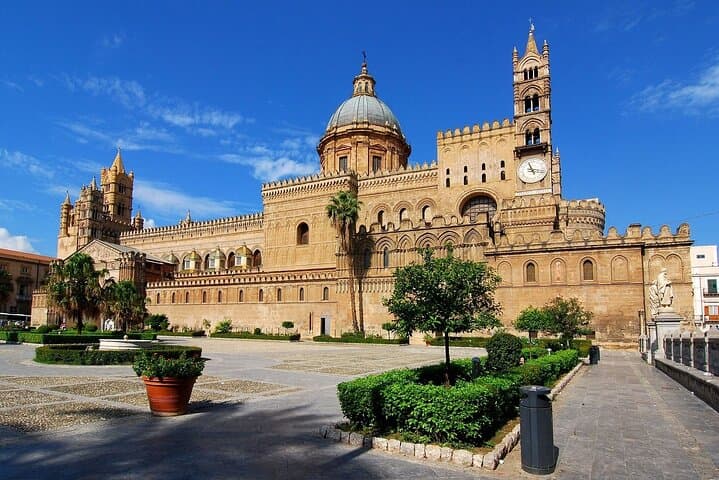
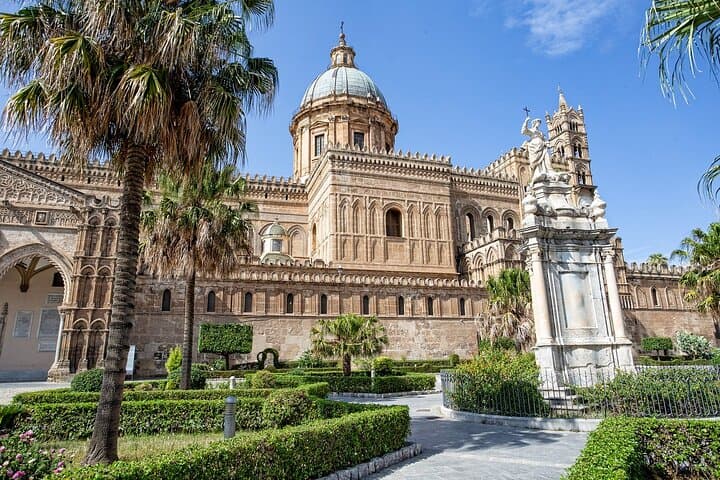
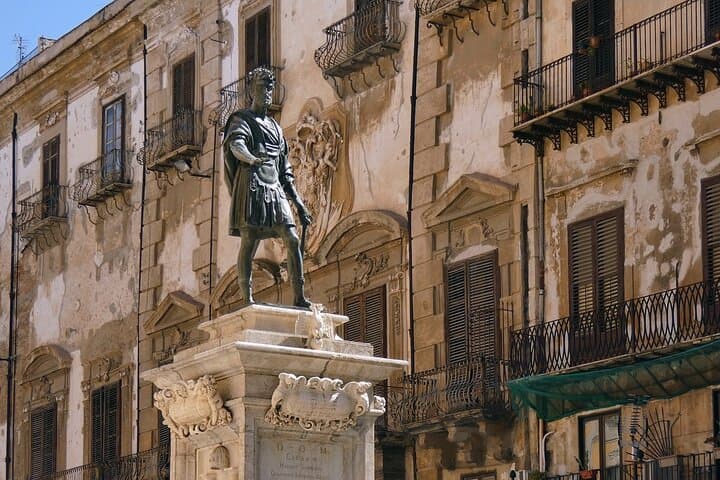
Palermo wears its history visibly — Greek and Roman ruins under Norman churches, Baroque façades beside Ottoman-influenced doorways. The route visits Teatro Massimo’s imposing neoclassical face, the sculpted Fountain of Pretoria, and the bustle of Vucciria market where seafood and spices still set the city’s rhythm. Geologically, Sicily’s limestone terraces and volcanic soils shaped the urban fabric and the surrounding landscape; traces of that geology appear in carved stone cornices and the island’s mosaics.
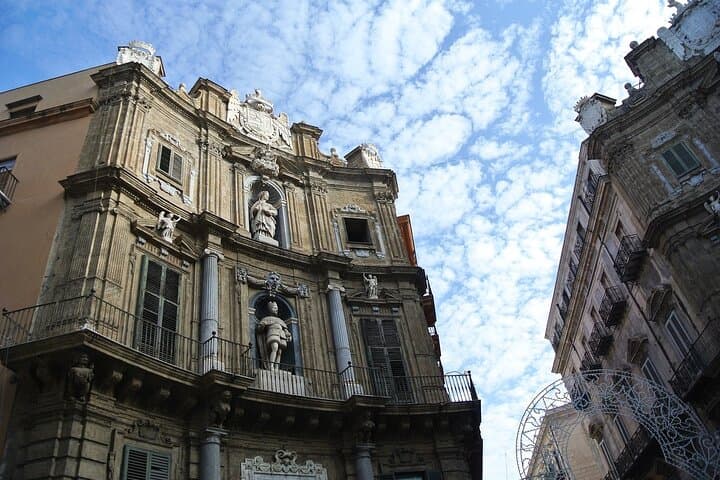
Culturally, Palermo is a city of layers: Byzantine mosaics in Martorana, Spanish-era squares like Quattro Canti, and markets that preserve everyday Sicilian life. Local guides add context—family histories, market lore, and tips on where to eat a quick sfincione.
Practical guidance: wear supportive walking shoes and bring water; streets are mostly paved but can be uneven. Start early to avoid mid-day heat and crowds, and carry a light rain layer in shoulder seasons. Expect gentle walking suitable for most fitness levels, and be mindful of busy market lanes and occasional pickpockets. The tour finishes where it starts, leaving time to linger in a café or continue exploring the old city on your own.
easy.
2 hours.
Suitable for most fitness levels; requires standing and walking on paved, sometimes uneven streets for two hours.
This tour is a walking commentary that views major sites from outside; individual admissions to museums or the cathedral are not included.
Yes—route and pace are gentle; participants should be able to walk for two hours with short stops.
Guides typically conduct tours in the advertised language; check the booking page for available language options or private-tour arrangements.
The meeting and end point is in front of the shop A' Putia Sicula on Via Maqueda 455, central and accessible by public transport.
Palermo reflects centuries of rule—Norman, Arab, Byzantine and Spanish influences are visible in its architecture and street plan.
Keep to marked streets and respect local vendors; reducing plastic waste at markets helps protect urban wildlife and coastal waters.
Free Tour Expert operates guided outdoor trips and adventures with an emphasis on safety, stewardship, and memorable experiences.
Morning light hits Via Maqueda and the city wakes in layers: church bells, market calls, the Tyrrhenian breeze pushing aroma and sound down narrow alleys. On this two-hour guided walk, a local guide threads you through Palermo’s theatrical plazas and quieter courtyards, pointing out the small details most passersby miss.
Morning light hits Via Maqueda and the city wakes in layers: church bells, market calls, the Tyrrhenian breeze pushing aroma and sound down narrow alleys. On this two-hour guided walk, a local guide threads you through Palermo’s theatrical plazas and quieter courtyards, pointing out the small details most passersby miss.
Palermo wears its history visibly — Greek and Roman ruins under Norman churches, Baroque façades beside Ottoman-influenced doorways. The route visits Teatro Massimo’s imposing neoclassical face, the sculpted Fountain of Pretoria, and the bustle of Vucciria market where seafood and spices still set the city’s rhythm. Geologically, Sicily’s limestone terraces and volcanic soils shaped the urban fabric and the surrounding landscape; traces of that geology appear in carved stone cornices and the island’s mosaics.
Culturally, Palermo is a city of layers: Byzantine mosaics in Martorana, Spanish-era squares like Quattro Canti, and markets that preserve everyday Sicilian life. Local guides add context—family histories, market lore, and tips on where to eat a quick sfincione.
Practical guidance: wear supportive walking shoes and bring water; streets are mostly paved but can be uneven. Start early to avoid mid-day heat and crowds, and carry a light rain layer in shoulder seasons. Expect gentle walking suitable for most fitness levels, and be mindful of busy market lanes and occasional pickpockets. The tour finishes where it starts, leaving time to linger in a café or continue exploring the old city on your own.