THE ADVENTURE COLLECTIVE® · Independent discovery and booking for outdoor travel

Spend an hour learning tango basics in a Palermo studio, then move on to an authentic milonga with reserved entry and a local guide. Learn the etiquette, rhythms, and stories that make a true Buenos Aires tango night memorable.
Spend an hour learning tango basics in a Palermo studio, then move on to an authentic milonga with reserved entry and a local guide. Learn the etiquette, rhythms, and stories that make a true Buenos Aires tango night memorable.
The wooden floor exhales under your steps as a Palermo dance room narrows light into a rehearsal glow. Instructors cue rhythm with gentle, firm hands; the bandoneón’s low voice seems to lean into the room, daring you to listen. After an hour of guided practice, the group walks—coffee in hand—toward a nearby milonga where a reserved table and entrance await. The night holds codes: a nod, a circle of eyes, a song that decides who dances next.
Verified experiences and guided adventures in the surrounding area.
Operated by Buenos Aires Tango captivate your heart. · Buenos Aires, Buenos Aires
The wooden floor exhales under your steps as a Palermo dance room narrows light into a rehearsal glow. Instructors cue rhythm with gentle, firm hands; the bandoneón’s low voice seems to lean into the room, daring you to listen. After an hour of guided practice, the group walks—coffee in hand—toward a nearby milonga where a reserved table and entrance await. The night holds codes: a nod, a circle of eyes, a song that decides who dances next.
Tango was born at the city’s edge in the late 19th century, where immigrants and port workers stitched European steps to Afro-Argentine and criollo rhythms. Buenos Aires sits on the wide Río de la Plata plains, and its flat horizon has always made room for movement—on streets, in cafés, in halls now called milongas. Palermo keeps both the contemporary pulse and the lineage: studios that teach technique, neighborhoods that keep tradition alive.
Expect practical guidance as much as atmosphere. Lessons focus on posture, connection, and basic walking patterns; instructors explain milonga etiquette (the cabeceo, respectful distance, turn-taking). The evening includes a guided entrance, table service, and commentary on local codes so newcomers can participate with confidence.
Bring comfortable, smooth-soled shoes, a light layer for cool nights, ID, and small local currency for drinks or cloakroom. Plan to arrive early—milonga hours run late—and be prepared for close, social spaces. This experience suits beginners through experienced dancers who want an authentic, guided introduction to Buenos Aires’ living tango culture.
easy.
2 hours.
Suitable for most fitness levels; you should be comfortable standing and walking for short intervals
No—lessons are tailored to beginners through intermediate dancers and focus on basic connection, walking, and musicality.
Smart-casual is standard: comfortable, tidy clothes and closed-toe shoes; avoid athletic wear unless specifically indicated.
Yes—solo travelers are welcome; guides help with introductions and milonga etiquette to ease social navigation.
Milongas in Buenos Aires typically start late (often after 10:00 PM) and can run into the early morning; check your booking for exact times.
Tango emerged in the late 1800s in Buenos Aires’ port neighborhoods as a mix of immigrant, Afro-Argentine, and local traditions and evolved into both salon dance and public performance.
Support venues that pay musicians and staff fairly, keep noise and waste to a minimum, and use public transit to reduce neighborhood congestion and emissions.
Buenos Aires Tango captivate your heart. operates guided outdoor trips and adventures with an emphasis on safety, stewardship, and memorable experiences.
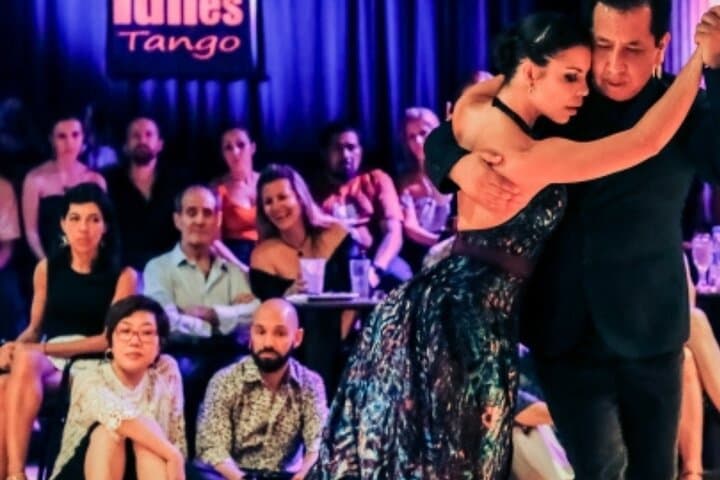
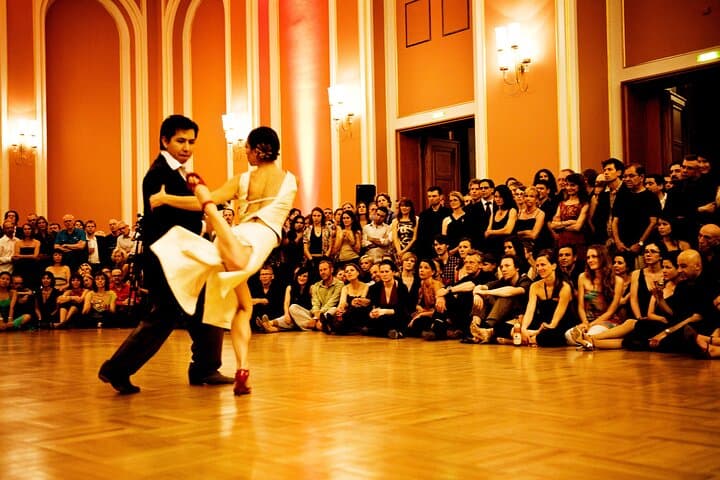
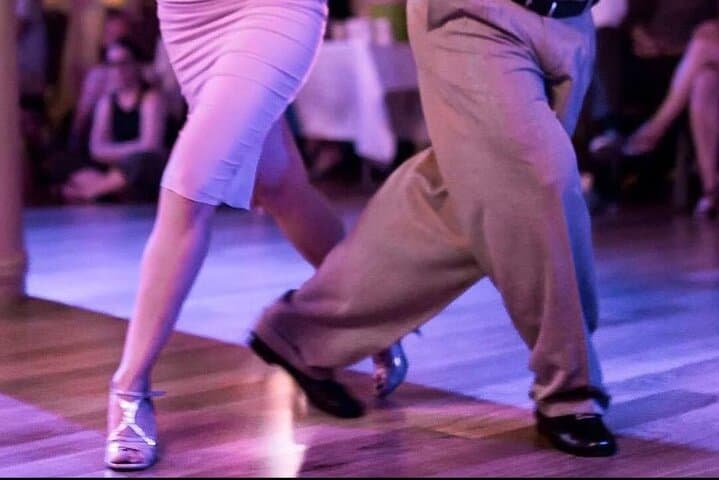
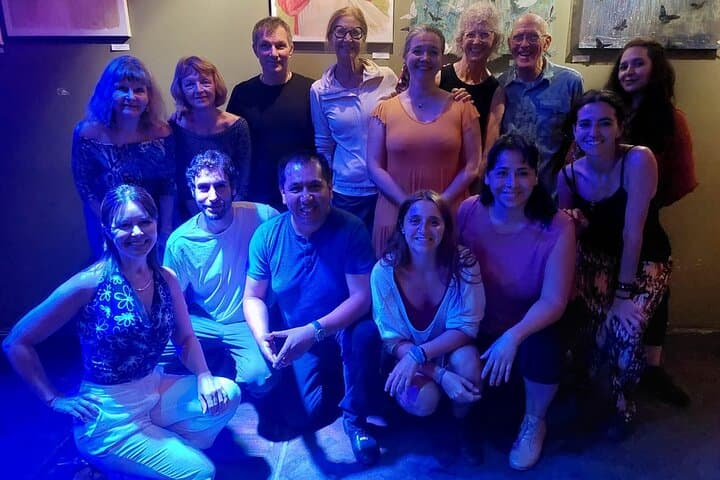
The wooden floor exhales under your steps as a Palermo dance room narrows light into a rehearsal glow. Instructors cue rhythm with gentle, firm hands; the bandoneón’s low voice seems to lean into the room, daring you to listen. After an hour of guided practice, the group walks—coffee in hand—toward a nearby milonga where a reserved table and entrance await. The night holds codes: a nod, a circle of eyes, a song that decides who dances next.
The wooden floor exhales under your steps as a Palermo dance room narrows light into a rehearsal glow. Instructors cue rhythm with gentle, firm hands; the bandoneón’s low voice seems to lean into the room, daring you to listen. After an hour of guided practice, the group walks—coffee in hand—toward a nearby milonga where a reserved table and entrance await. The night holds codes: a nod, a circle of eyes, a song that decides who dances next.
Tango was born at the city’s edge in the late 19th century, where immigrants and port workers stitched European steps to Afro-Argentine and criollo rhythms. Buenos Aires sits on the wide Río de la Plata plains, and its flat horizon has always made room for movement—on streets, in cafés, in halls now called milongas. Palermo keeps both the contemporary pulse and the lineage: studios that teach technique, neighborhoods that keep tradition alive.
Expect practical guidance as much as atmosphere. Lessons focus on posture, connection, and basic walking patterns; instructors explain milonga etiquette (the cabeceo, respectful distance, turn-taking). The evening includes a guided entrance, table service, and commentary on local codes so newcomers can participate with confidence.
Bring comfortable, smooth-soled shoes, a light layer for cool nights, ID, and small local currency for drinks or cloakroom. Plan to arrive early—milonga hours run late—and be prepared for close, social spaces. This experience suits beginners through experienced dancers who want an authentic, guided introduction to Buenos Aires’ living tango culture.