THE ADVENTURE COLLECTIVE® · Independent discovery and booking for outdoor travel

Walk Palermo’s busiest markets with a local guide and taste arancini, panelle and cannoli where vendors have sold food for generations. This three-hour private walking tour pairs culinary sampling with compact cultural history and insider tips.
Walk Palermo’s busiest markets with a local guide and taste arancini, panelle and cannoli where vendors have sold food for generations. This three-hour private walking tour pairs culinary sampling with compact cultural history and insider tips.
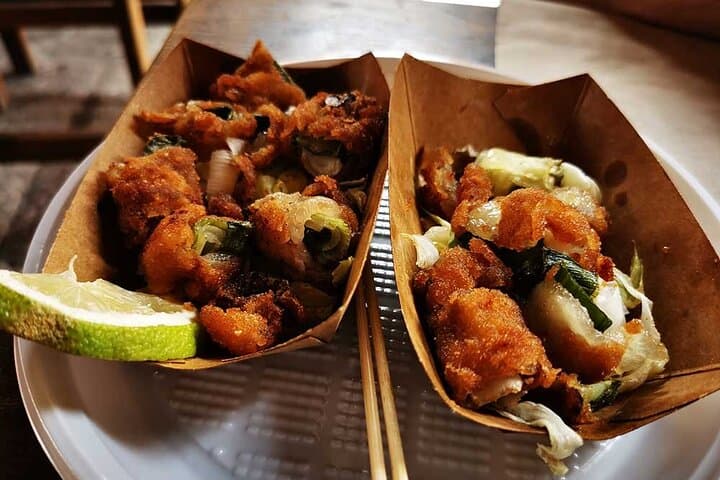
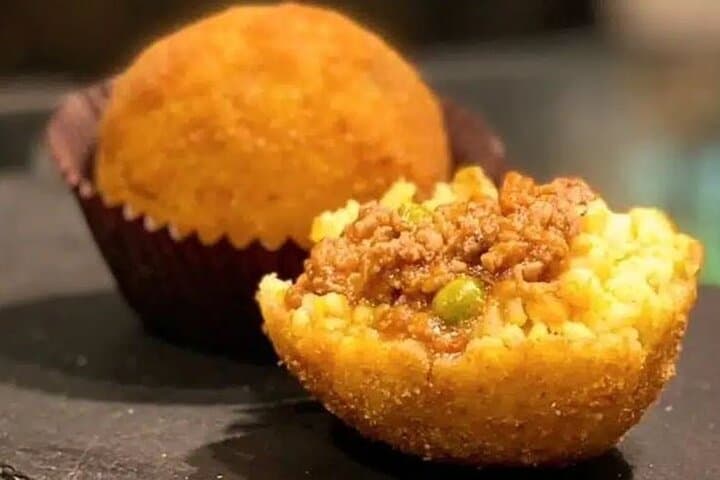
Morning light hits the broad steps of Teatro Massimo and the city exhales. The guide leads a small private group into alleys where smoke, spice and frying oil set the day's tempo—arancini crisping at a corner stall, panelle being scooped into paper, cannoli shells cooling on trays. The markets here feel like a living map: pathways that direct appetite as much as civic life.
Verified experiences and guided adventures in the surrounding area.
Operated by Guydeez · Palermo, Sicily
Morning light hits the broad steps of Teatro Massimo and the city exhales. The guide leads a small private group into alleys where smoke, spice and frying oil set the day's tempo—arancini crisping at a corner stall, panelle being scooped into paper, cannoli shells cooling on trays. The markets here feel like a living map: pathways that direct appetite as much as civic life.
Palermo's markets trace the city's layered history. Phoenician and Roman ports gave way to Arab-Norman trade routes; that mix shows up in flavors—citrus, capers, chickpea fritters—and in place names. Geologically the city is a coastal plain backed by the limestone ridge of Monte Pellegrino, which channels breezes and helped Palermo become a maritime hub. Culturally, street food is both daily fuel and communal theatre: vendors serve quick meals, families linger, and bar counters double as conversation spots.
On a three-hour private walking tour you can expect 6–8 short stops across Capo and Vucciria, a stroll along Via Maqueda and a final gelato or pastry at a local bakery. The pace suits most walkers; the guide will offer local context, vendor stories and tips on what to sample.
Practical notes: bring cash for small purchases, wear comfortable shoes for uneven pavements, and plan the tour for morning or early evening when markets are most active and temperatures are mild. Respect vendors’ space when photographing food, and consider a small reusable napkin to reduce waste—Palermo's flavors are best experienced with curiosity and a bit of urban savvy.
easy.
3 hours.
Suitable for most fitness levels; requires standing and walking on uneven ground for up to three hours.
The tour runs approximately three hours and includes multiple tasting stops and short walks between markets.
Yes—markets are stroller accessible in many areas, but expect narrow lanes and crowds during peak times.
Guides can usually adapt tastings for common restrictions if informed in advance; include dietary needs when booking.
This listing is a private tour, meaning the party will not be combined with other travelers.
Palermo’s open-air markets grew from its role as a Mediterranean trading port; Arab-Norman rule left lasting influences on local cuisine and street organization.
Support local vendors and minimize single-use plastic; dispose of waste in marked bins and avoid feeding wildlife to reduce human-wildlife conflicts.
Guydeez operates guided outdoor trips and adventures with an emphasis on safety, stewardship, and memorable experiences.
Morning light hits the broad steps of Teatro Massimo and the city exhales. The guide leads a small private group into alleys where smoke, spice and frying oil set the day's tempo—arancini crisping at a corner stall, panelle being scooped into paper, cannoli shells cooling on trays. The markets here feel like a living map: pathways that direct appetite as much as civic life.
Morning light hits the broad steps of Teatro Massimo and the city exhales. The guide leads a small private group into alleys where smoke, spice and frying oil set the day's tempo—arancini crisping at a corner stall, panelle being scooped into paper, cannoli shells cooling on trays. The markets here feel like a living map: pathways that direct appetite as much as civic life.
Palermo's markets trace the city's layered history. Phoenician and Roman ports gave way to Arab-Norman trade routes; that mix shows up in flavors—citrus, capers, chickpea fritters—and in place names. Geologically the city is a coastal plain backed by the limestone ridge of Monte Pellegrino, which channels breezes and helped Palermo become a maritime hub. Culturally, street food is both daily fuel and communal theatre: vendors serve quick meals, families linger, and bar counters double as conversation spots.
On a three-hour private walking tour you can expect 6–8 short stops across Capo and Vucciria, a stroll along Via Maqueda and a final gelato or pastry at a local bakery. The pace suits most walkers; the guide will offer local context, vendor stories and tips on what to sample.
Practical notes: bring cash for small purchases, wear comfortable shoes for uneven pavements, and plan the tour for morning or early evening when markets are most active and temperatures are mild. Respect vendors’ space when photographing food, and consider a small reusable napkin to reduce waste—Palermo's flavors are best experienced with curiosity and a bit of urban savvy.