THE ADVENTURE COLLECTIVE® · Independent discovery and booking for outdoor travel

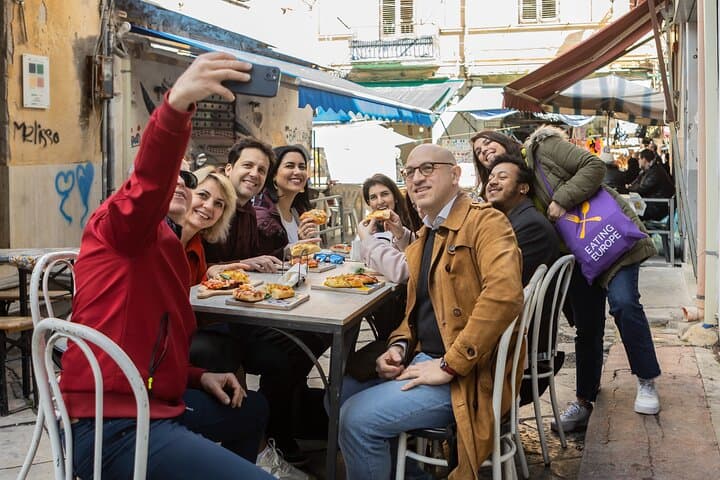
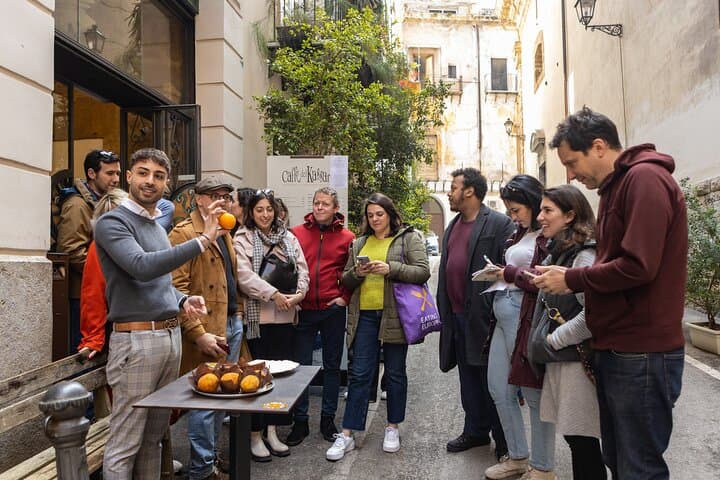
Walk Ballarò with a local guide and taste Palermo’s street-food icons—from arancine to sfincione—while hearing the neighborhood’s layered history. This three-hour tour mixes culinary tradition with practical tips to help you eat like a local.
Walk Ballarò with a local guide and taste Palermo’s street-food icons—from arancine to sfincione—while hearing the neighborhood’s layered history. This three-hour tour mixes culinary tradition with practical tips to help you eat like a local.
You step off a narrow street and the market finds you: a corridor of crates, sizzling pans and voices bargaining over lemons the color of sunlight. Ballarò wakes early and stays loud—steam rises from frying pans, espresso clicks from a corner roaster, and the air carries the smoke of slow-grilled stigghiola daring you to follow it.
Verified experiences and guided adventures in the surrounding area.
Operated by Eating Europe Food Tours Rome · Palermo, Sicily
You step off a narrow street and the market finds you: a corridor of crates, sizzling pans and voices bargaining over lemons the color of sunlight. Ballarò wakes early and stays loud—steam rises from frying pans, espresso clicks from a corner roaster, and the air carries the smoke of slow-grilled stigghiola daring you to follow it.
Ballarò is one of Palermo’s oldest open-air markets, shaped by centuries of Greek, Arab, Norman and Spanish influence. The food reflects that history: arancine born from Arab rice traditions, sfincione with its flat, tomato-forward identity, and street-side skewers that speak to peasant ingenuity. Geology and geography matter here too—the market sits on Palermo’s coastal plain, where fertile soils and Mediterranean sun made the city a food crossroads since antiquity.
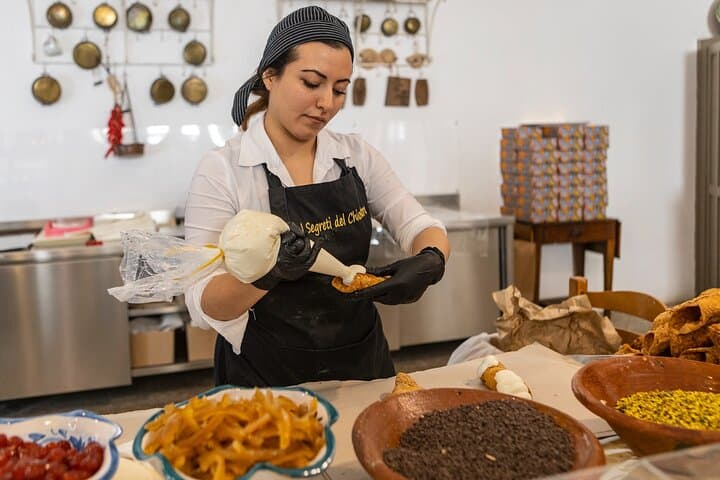
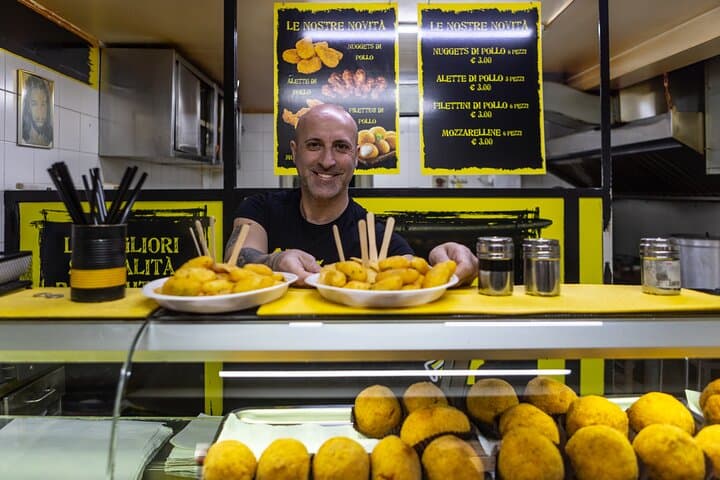
A local guide threads stories between bites: a monastery converted to a bakery where ricotta-filled cannoli are still made by hand, a 70-year-old friggitoria whose oil has a loyal following, and a train station whose façade hints at Palermo’s role as an island gateway.
Practical guidance: plan for about three hours of walking and tasting, arrive mid-morning to avoid the hottest crowds, and bring small bills—not every stall takes cards. If you have severe allergies, this tour isn’t suitable; the route is busy and cross-contamination is common. Wear comfortable shoes for cobblestones, and leave room: portions are generous and designed to be shared. Move at the guide’s pace, ask questions, and let the market set the rhythm—here, food is both history and today’s argument turned delicious.
easy.
3 hours.
Light walking fitness; able to stand and walk on uneven cobbles for several hours.
Yes—children can join, but portions are sometimes fried or contain strong flavors; strollers are usable on many streets.
Yes—there are vegetarian classics like panelle and sfincione, but tell your guide so they can tailor stops where possible.
Meeting details are provided at booking; tours generally start near the market perimeter and end at a central piazza within Ballarò.
Guests with severe or life-threatening allergies cannot participate safely due to cross-contamination risks at busy food stalls.
Ballarò has been an urban market since medieval times and reflects Palermo’s layered rule by Greeks, Arabs, Normans and Spaniards—each left culinary imprints.
Support small vendors, avoid single-use plastics when possible, and dispose of waste in provided bins; markets depend on local livelihoods and low-impact tourism.
Eating Europe Food Tours Rome operates guided outdoor trips and adventures with an emphasis on safety, stewardship, and memorable experiences.
You step off a narrow street and the market finds you: a corridor of crates, sizzling pans and voices bargaining over lemons the color of sunlight. Ballarò wakes early and stays loud—steam rises from frying pans, espresso clicks from a corner roaster, and the air carries the smoke of slow-grilled stigghiola daring you to follow it.
You step off a narrow street and the market finds you: a corridor of crates, sizzling pans and voices bargaining over lemons the color of sunlight. Ballarò wakes early and stays loud—steam rises from frying pans, espresso clicks from a corner roaster, and the air carries the smoke of slow-grilled stigghiola daring you to follow it.
Ballarò is one of Palermo’s oldest open-air markets, shaped by centuries of Greek, Arab, Norman and Spanish influence. The food reflects that history: arancine born from Arab rice traditions, sfincione with its flat, tomato-forward identity, and street-side skewers that speak to peasant ingenuity. Geology and geography matter here too—the market sits on Palermo’s coastal plain, where fertile soils and Mediterranean sun made the city a food crossroads since antiquity.
A local guide threads stories between bites: a monastery converted to a bakery where ricotta-filled cannoli are still made by hand, a 70-year-old friggitoria whose oil has a loyal following, and a train station whose façade hints at Palermo’s role as an island gateway.
Practical guidance: plan for about three hours of walking and tasting, arrive mid-morning to avoid the hottest crowds, and bring small bills—not every stall takes cards. If you have severe allergies, this tour isn’t suitable; the route is busy and cross-contamination is common. Wear comfortable shoes for cobblestones, and leave room: portions are generous and designed to be shared. Move at the guide’s pace, ask questions, and let the market set the rhythm—here, food is both history and today’s argument turned delicious.