THE ADVENTURE COLLECTIVE® · Independent discovery and booking for outdoor travel

This full‑day tour pairs the forest‑bound ruins of Palenque with two of Chiapas’s most photographic waterfalls. Expect an early start, easy walking through the site, and opportunities to swim beneath blue cascades.
This full‑day tour pairs the forest‑bound ruins of Palenque with two of Chiapas’s most photographic waterfalls. Expect an early start, easy walking through the site, and opportunities to swim beneath blue cascades.
The bus eases through roadside rainforest and the smell of wet earth fills the air — in an hour the jungle opens into the stone heart of Palenque, where carved plazas and stepped pyramids rise like memory from the forest.
Verified experiences and guided adventures in the surrounding area.
Operated by Kichan Bajlum · Palenque, Chiapas
The bus eases through roadside rainforest and the smell of wet earth fills the air — in an hour the jungle opens into the stone heart of Palenque, where carved plazas and stepped pyramids rise like memory from the forest.
Palenque’s archaeological zone dates to the Classic Maya period (7th–9th centuries CE). The limestone ridges here sculpted dramatic reliefs and underground channels; rain and runoff helped both nourish and erode the city’s stone architecture. Southward, the rivers gain speed and color: Agua Azul’s cascades tumble over limestone shelves, leaching calcium to create vivid turquoise pools, while Misol‑Ha drops more than 30 meters behind a curtain of falling water you can walk behind.
Local culture is present in small ways — vendors selling handwoven textiles, the smell of corn tortillas, and guides who blend archaeology with regional lore. Expect humid, warm weather and jungle sounds that press close like company.
Practically, this is a long day trip: plan for an early start, sturdy shoes for uneven ruins and slippery rocks at waterfalls, and a change of clothes if you intend to swim. Bring cash for park fees, snacks, and crafts; cell reception is intermittent. Hydrate frequently and watch footing on wet paths — currents in the lower pools are deceptively strong. Photography windows are best mid‑morning at the ruins and late afternoon at the cascades for softer light.
For travelers looking to pair culture with active nature, the mix of monumental stone and electric blue water delivers a compact, varied day in Chiapas.
easy.
11 hours.
Suitable for most fitness levels; involves walking on uneven ground and brief stair climbs at the ruins
The full excursion runs about 11 hours from pickup to return, including travel time between sites.
Yes — both spots allow swimming in designated areas, but currents vary and safety is your responsibility.
No — walking around the main plaza and temples is easy to moderate with some stairs and uneven stone.
Descriptions note admission is included for the main sites, but carry cash for any additional local fees or services.
Palenque flourished in the Classic Maya era; its inscriptions and tomb architecture reveal a sophisticated regional dynasty centered on ritual and astronomy.
Waterfall pools are sensitive to pollution and foot traffic; stick to marked paths, avoid single‑use plastics, and use biodegradable products.
Kichan Bajlum operates guided outdoor trips and adventures with an emphasis on safety, stewardship, and memorable experiences.


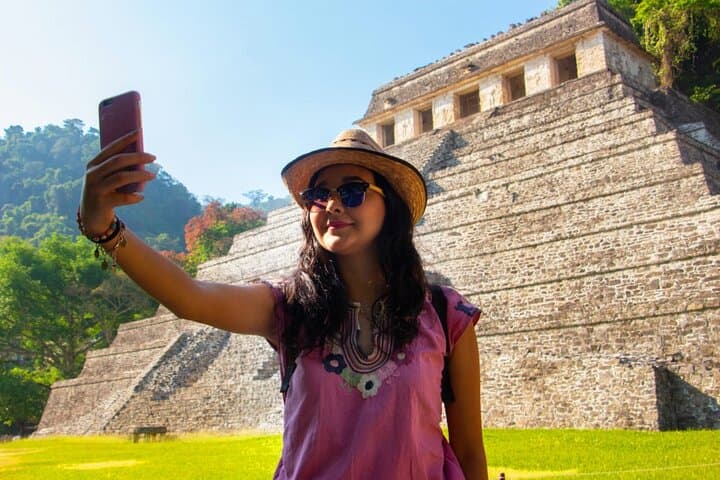
The bus eases through roadside rainforest and the smell of wet earth fills the air — in an hour the jungle opens into the stone heart of Palenque, where carved plazas and stepped pyramids rise like memory from the forest.
The bus eases through roadside rainforest and the smell of wet earth fills the air — in an hour the jungle opens into the stone heart of Palenque, where carved plazas and stepped pyramids rise like memory from the forest.
Palenque’s archaeological zone dates to the Classic Maya period (7th–9th centuries CE). The limestone ridges here sculpted dramatic reliefs and underground channels; rain and runoff helped both nourish and erode the city’s stone architecture. Southward, the rivers gain speed and color: Agua Azul’s cascades tumble over limestone shelves, leaching calcium to create vivid turquoise pools, while Misol‑Ha drops more than 30 meters behind a curtain of falling water you can walk behind.
Local culture is present in small ways — vendors selling handwoven textiles, the smell of corn tortillas, and guides who blend archaeology with regional lore. Expect humid, warm weather and jungle sounds that press close like company.
Practically, this is a long day trip: plan for an early start, sturdy shoes for uneven ruins and slippery rocks at waterfalls, and a change of clothes if you intend to swim. Bring cash for park fees, snacks, and crafts; cell reception is intermittent. Hydrate frequently and watch footing on wet paths — currents in the lower pools are deceptively strong. Photography windows are best mid‑morning at the ruins and late afternoon at the cascades for softer light.
For travelers looking to pair culture with active nature, the mix of monumental stone and electric blue water delivers a compact, varied day in Chiapas.