THE ADVENTURE COLLECTIVE® · Independent discovery and booking for outdoor travel

Head west from Tallinn to a coastline of sheer limestone, Soviet-era ruins, and the surreal flooded walls of Rummu quarry. This 7-hour small-group tour combines geology, Cold War history, and dramatic seaside walks.
Head west from Tallinn to a coastline of sheer limestone, Soviet-era ruins, and the surreal flooded walls of Rummu quarry. This 7-hour small-group tour combines geology, Cold War history, and dramatic seaside walks.
A raw wind lifts off the Baltic as the minivan threads west from Tallinn and the city’s silhouette slips from view.
Verified experiences and guided adventures in the surrounding area.
Operated by Tallinn Traveller Tours · Paldiski, Harju County
A raw wind lifts off the Baltic as the minivan threads west from Tallinn and the city’s silhouette slips from view.
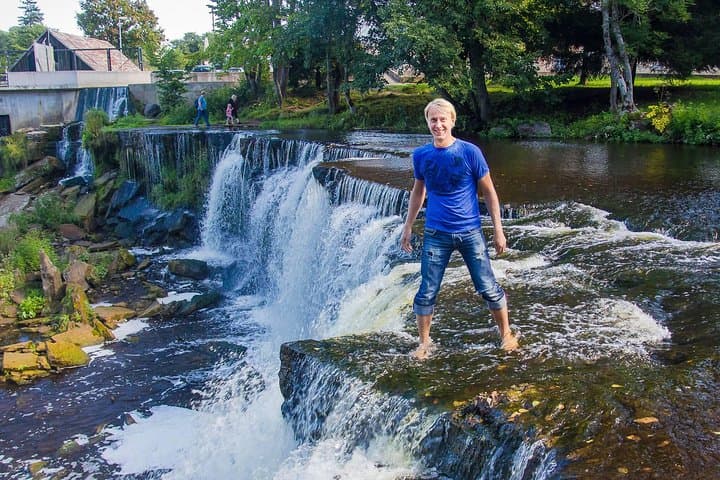
Within an hour you’re standing where limestone drops to sea—Türisalu and Pakri cliffs throw themselves at the horizon, gulls arguing with the wind. Keila-Joa’s modest waterfall provides a softer counterpoint: water carving gardens into stone, moss clinging to the old manor’s outbuildings.
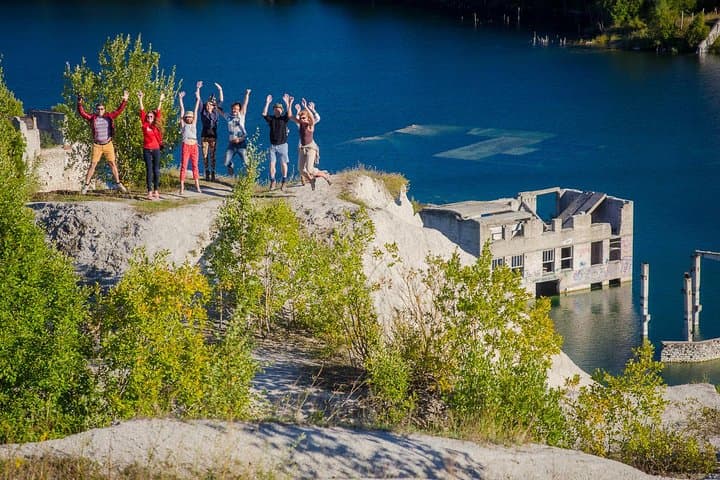
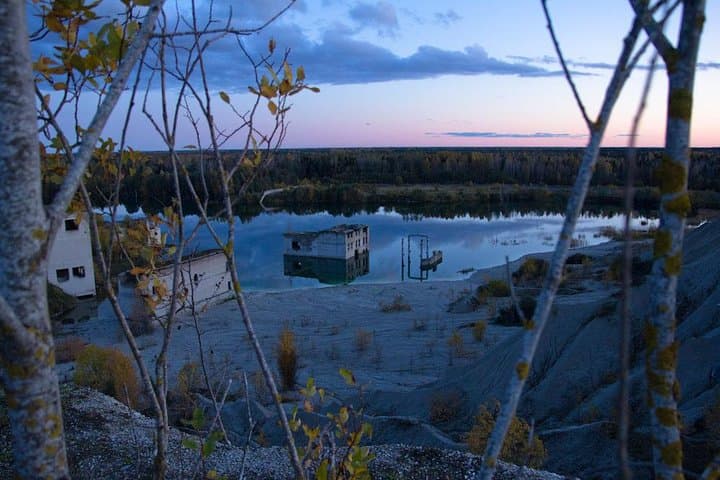
Paldiski itself carries the weight of 20th-century geopolitics. Once a closed Soviet naval base and training center, its concrete ruins and block housing read like pages from a Cold War field guide. Nearby, the Murru (Rummu) quarry creates an almost lunar shoreline—an abandoned prison and submerged structures give the water an eerie clarity and vertical faces that catch late light.
Geologically, the coast is young in northern-European terms: Cretaceous limestone overlain by glacial deposits, cliffs actively eroding and exposing fossil-rich beds. Culturally, the area mixes coastal fishing traditions with Soviet industrial relics; guides often point out local anecdotes that humanize the concrete.
Practical guidance: this is a 7-hour, small-group excursion with multiple short walks on uneven ground and cliff edges—wear sturdy footwear and dress for wind and sudden rain. Bring a charged camera, layers, and respect restricted zones at former military sites. There’s a brief opportunity to sit in a Soviet transport cockpit—great for photos and a tangible reminder of the area’s past.
The route is compact but varied: coastal panoramas, a waterfall, a closed-town atmosphere, and the surreal quarry—excellent for travelers who like history folded into raw coastal landscapes.
moderate.
7 hours.
Moderate fitness required—able to walk short distances on uneven terrain and manage some stairs and slopes.
Most tours depart from central Tallinn; exact pickup or meeting point is provided at booking—return is to the same general area in Tallinn.
Access is restricted in places; the tour visits viewpoints and accessible areas only—do not attempt to swim or climb submerged structures.
There are short breaks at roadside cafes or public facilities; bring snacks and water for the day as stops are brief.
Children must be accompanied by an adult; the itinerary includes uneven terrain and some stairs, so it’s not recommended for travelers with significant spinal or mobility problems.
Paldiski was a closed Soviet naval training town—many concrete buildings and coastal installations date to that era and shaped local settlement patterns.
Cliff erosion and visitor pressure are ongoing concerns—stick to marked paths, carry out litter, and avoid disturbing nesting birds or submerged archaeological features.
Tallinn Traveller Tours operates guided outdoor trips and adventures with an emphasis on safety, stewardship, and memorable experiences.
A raw wind lifts off the Baltic as the minivan threads west from Tallinn and the city’s silhouette slips from view.
A raw wind lifts off the Baltic as the minivan threads west from Tallinn and the city’s silhouette slips from view.
Within an hour you’re standing where limestone drops to sea—Türisalu and Pakri cliffs throw themselves at the horizon, gulls arguing with the wind. Keila-Joa’s modest waterfall provides a softer counterpoint: water carving gardens into stone, moss clinging to the old manor’s outbuildings.
Paldiski itself carries the weight of 20th-century geopolitics. Once a closed Soviet naval base and training center, its concrete ruins and block housing read like pages from a Cold War field guide. Nearby, the Murru (Rummu) quarry creates an almost lunar shoreline—an abandoned prison and submerged structures give the water an eerie clarity and vertical faces that catch late light.
Geologically, the coast is young in northern-European terms: Cretaceous limestone overlain by glacial deposits, cliffs actively eroding and exposing fossil-rich beds. Culturally, the area mixes coastal fishing traditions with Soviet industrial relics; guides often point out local anecdotes that humanize the concrete.
Practical guidance: this is a 7-hour, small-group excursion with multiple short walks on uneven ground and cliff edges—wear sturdy footwear and dress for wind and sudden rain. Bring a charged camera, layers, and respect restricted zones at former military sites. There’s a brief opportunity to sit in a Soviet transport cockpit—great for photos and a tangible reminder of the area’s past.
The route is compact but varied: coastal panoramas, a waterfall, a closed-town atmosphere, and the surreal quarry—excellent for travelers who like history folded into raw coastal landscapes.