THE ADVENTURE COLLECTIVE® · Independent discovery and booking for outdoor travel

A compact high-Andes day trip from Cusco, Palcoyo offers three striped peaks and a stone forest after a short hike at high altitude. This accessible excursion pairs sweeping views with local Pitumarca culture—ideal for travelers looking for dramatic color without a multi-day trek.
A compact high-Andes day trip from Cusco, Palcoyo offers three striped peaks and a stone forest after a short hike at high altitude. This accessible excursion pairs sweeping views with local Pitumarca culture—ideal for travelers looking for dramatic color without a multi-day trek.
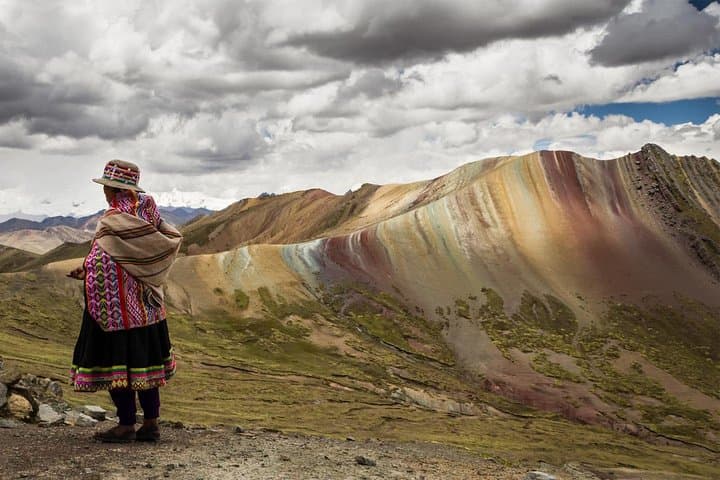
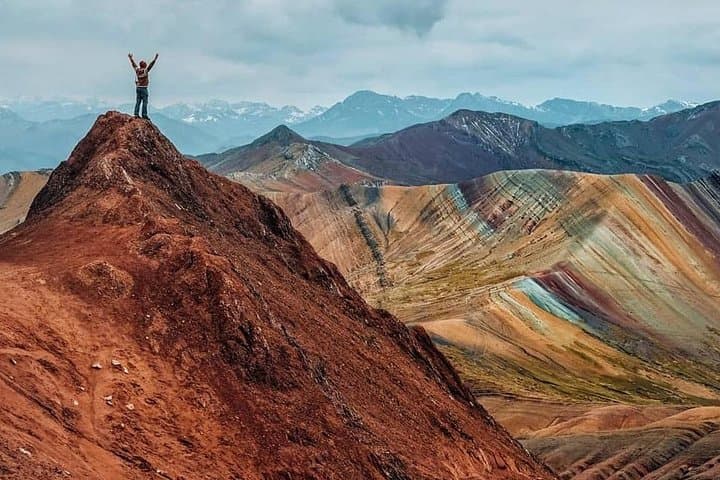
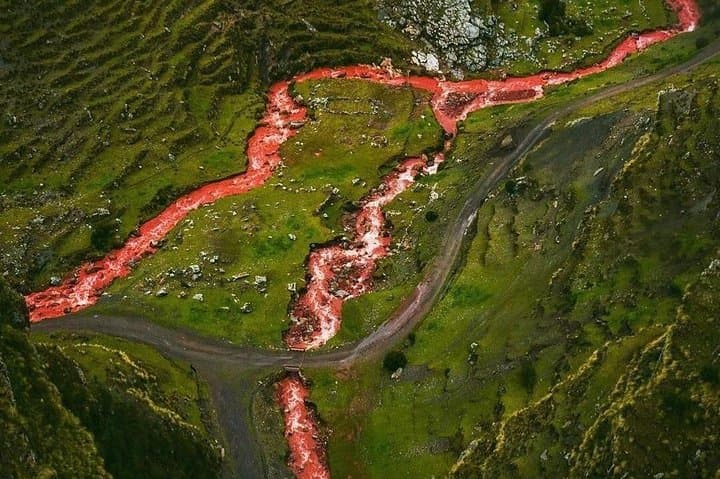
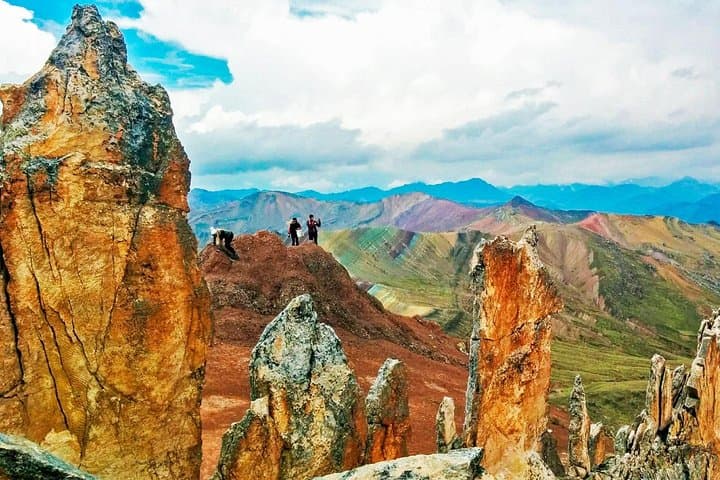
You step out of the minivan into thin air and a canyon of colors—Palcoyo’s ridgeline rises like a folded map painted in ochre, rust and mint. Wind runs along the puna grass, nudging alpacas toward the stone forest while distant snow of the Andes keeps a slow, indifferent watch.
Verified experiences and guided adventures in the surrounding area.
Operated by MachuPicchu Journey · Pitumarca, Cusco
You step out of the minivan into thin air and a canyon of colors—Palcoyo’s ridgeline rises like a folded map painted in ochre, rust and mint. Wind runs along the puna grass, nudging alpacas toward the stone forest while distant snow of the Andes keeps a slow, indifferent watch.
This route threads the southern Cusco highlands south of the city, passing small farming villages such as Pitumarca. Geologically the stripes come from mineral-rich sedimentary layers tilted by tectonic uplift and later exposed by erosion. Culturally the hills sit on Quechua-speaking territory where local families herd camelids and maintain weaving traditions; breakfast and lunch stops often feature regional staples like quinoa soup and roasted potatoes.
The walk from the park gate to the viewpoint is short—about 30–45 minutes each way—over high-altitude trails that climb gently to ~4,900 m (16,076 ft). Terrain is rocky puna with loose scree in places and broad views of the stone forest and three colored summits. Expect wind, strong sun and rapid weather swings.
Practical guidance: start early from Cusco to avoid afternoon clouds, hydrate well before and during the drive, and spend extra time acclimatizing in the city or at lower-altitude day hikes. Footwear with ankle support and a warm shell matter more than speed; oxygen assistance is commonly available on commercial tours. Take time at the viewpoint to walk the ridgelines and respect fragile grasses by staying on marked paths. The result is a compact, accessible high-Andes day that rewards modest effort with expansive alpine color and cultural contact.
moderate.
6 hours (including drive).
Moderate fitness: able to walk 30–45 minutes uphill at high altitude; prior moderate activity is helpful
The walk from the park station to the main viewpoint is typically 30–45 minutes each way on a mostly uphill trail.
Yes—Palcoyo sits around 4,800–4,900 m. Acclimatize in Cusco for 24–48 hours, hydrate, and consider altitude medication or on-tour oxygen if you are sensitive.
The trail is short but at high altitude; beginners with reasonable fitness can complete it if they move slowly and prepare for thinner air.
Commercial day tours commonly include hotel pickup, breakfast, lunch and return transport—confirm inclusions when booking.
The area sits within traditional Quechua communities historically tied to pastoralism and pre-Columbian trails; many local families still maintain ancestral herding and weaving practices.
The high puna ecosystem is fragile—stay on marked trails, pack out trash, and support local guides to ensure tourism benefits nearby communities.
MachuPicchu Journey operates guided outdoor trips and adventures with an emphasis on safety, stewardship, and memorable experiences.
You step out of the minivan into thin air and a canyon of colors—Palcoyo’s ridgeline rises like a folded map painted in ochre, rust and mint. Wind runs along the puna grass, nudging alpacas toward the stone forest while distant snow of the Andes keeps a slow, indifferent watch.
You step out of the minivan into thin air and a canyon of colors—Palcoyo’s ridgeline rises like a folded map painted in ochre, rust and mint. Wind runs along the puna grass, nudging alpacas toward the stone forest while distant snow of the Andes keeps a slow, indifferent watch.
This route threads the southern Cusco highlands south of the city, passing small farming villages such as Pitumarca. Geologically the stripes come from mineral-rich sedimentary layers tilted by tectonic uplift and later exposed by erosion. Culturally the hills sit on Quechua-speaking territory where local families herd camelids and maintain weaving traditions; breakfast and lunch stops often feature regional staples like quinoa soup and roasted potatoes.
The walk from the park gate to the viewpoint is short—about 30–45 minutes each way—over high-altitude trails that climb gently to ~4,900 m (16,076 ft). Terrain is rocky puna with loose scree in places and broad views of the stone forest and three colored summits. Expect wind, strong sun and rapid weather swings.
Practical guidance: start early from Cusco to avoid afternoon clouds, hydrate well before and during the drive, and spend extra time acclimatizing in the city or at lower-altitude day hikes. Footwear with ankle support and a warm shell matter more than speed; oxygen assistance is commonly available on commercial tours. Take time at the viewpoint to walk the ridgelines and respect fragile grasses by staying on marked paths. The result is a compact, accessible high-Andes day that rewards modest effort with expansive alpine color and cultural contact.