THE ADVENTURE COLLECTIVE® · Independent discovery and booking for outdoor travel

Skip the crowds and choose a relaxed full‑day trip to Palcoyo—an accessible alternative to Vinicunca that delivers rainbow slopes, Quechua culture and quiet mountain views. This guided tour combines short hikes, a historic suspension bridge visit, and a traditional Andean lunch.
Skip the crowds and choose a relaxed full‑day trip to Palcoyo—an accessible alternative to Vinicunca that delivers rainbow slopes, Quechua culture and quiet mountain views. This guided tour combines short hikes, a historic suspension bridge visit, and a traditional Andean lunch.
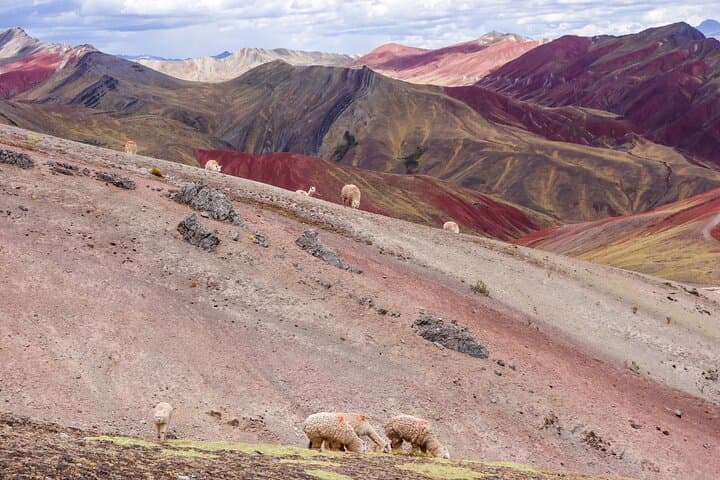
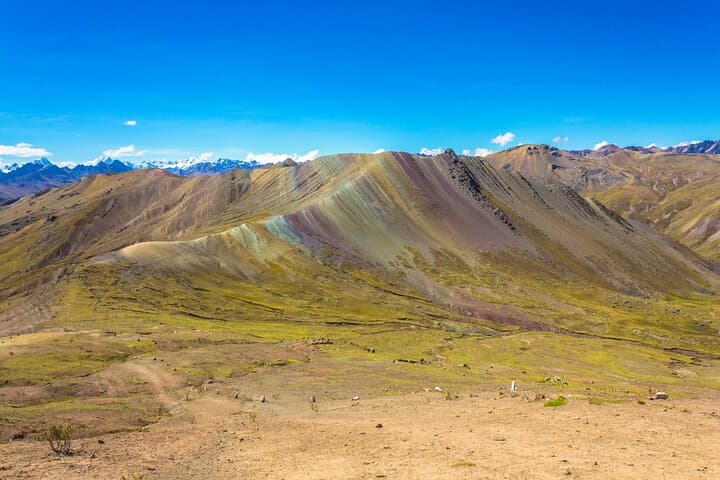
A thin high‑altitude wind pushes across the puna as the van eases out of Cusco and rural stone hamlets slip by—herds of llamas lift their heads and an open sky tightens. By midmorning you’re stepping onto ochre soil beneath the three banded slopes of Palcoyo, where the colors run in broad, rolling swaths rather than a single cliff face, and the air feels crisp as a silver coin.
Verified experiences and guided adventures in the surrounding area.
Operated by Cabtours · Cusco, Cusco
A thin high‑altitude wind pushes across the puna as the van eases out of Cusco and rural stone hamlets slip by—herds of llamas lift their heads and an open sky tightens. By midmorning you’re stepping onto ochre soil beneath the three banded slopes of Palcoyo, where the colors run in broad, rolling swaths rather than a single cliff face, and the air feels crisp as a silver coin.
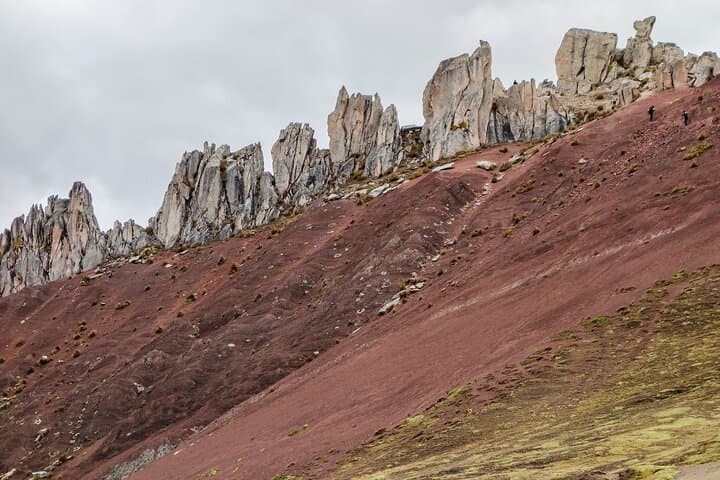
The surrounding valleys carry millennia of Andean history: Quechua communities farm the terraces, and nearby Checacupe Bridge preserves traditional ichu rope techniques once essential for crossing turbulent rivers. Geologically, Palcoyo’s colors arise from mineral deposits—iron oxides, copper sulfates and other sediments layered and exposed by uplift and erosion—so the ridge reads like a slow, patient ledger of earth chemistry.
Culturally the route is low‑impact and intimate; guides will point out local flora, grazing alpacas and the social rhythm of highland life. The walk itself is gentle—mostly rolling trails and short inclines—designed for those prioritizing scenery over strenuous climbing.
Practical notes: acclimatize in Cusco the day before, carry a layered jacket, and expect strong sun and thin air. Snacks and water are important between the included breakfast and lunch. The schedule fits a full day—pick‑up, two short walks to viewpoints, a visit to the Checacupe suspension bridge, and a regional lunch before a late afternoon return to the city.
On a clear day the mountains dare you to scan every ridge; on a windy one they push you gently back toward shelter—but either way, Palcoyo rewards slow, observant travel.
moderate.
12–13 hours.
Should be in moderate shape—comfortable walking 2–4 miles at altitude with short climbs and breaks.
Expect about 2–3 hours of total driving each way depending on traffic and stops; the tour is a full‑day outing.
The walks are short and graded for most fitness levels, but high altitude can affect children and older adults—consult a physician if concerned.
Yes—admission to Palcoyo and a traditional Andean lunch are included, as is a semi‑buffet breakfast and hotel pick‑up/drop‑off in Cusco.
Trail elevations are high—around 4,000–4,900 meters (13,000–16,100 feet) depending on the viewpoint—so take altitude precautions.
Checacupe Bridge reflects traditional Quechua rope‑bridge engineering and marks historic Andean routes across river valleys used for centuries.
The high puna is fragile—stick to established trails, pack out trash, and respect pastoral lands to reduce erosion and cultural impact.
Cabtours operates guided outdoor trips and adventures with an emphasis on safety, stewardship, and memorable experiences.
A thin high‑altitude wind pushes across the puna as the van eases out of Cusco and rural stone hamlets slip by—herds of llamas lift their heads and an open sky tightens. By midmorning you’re stepping onto ochre soil beneath the three banded slopes of Palcoyo, where the colors run in broad, rolling swaths rather than a single cliff face, and the air feels crisp as a silver coin.
A thin high‑altitude wind pushes across the puna as the van eases out of Cusco and rural stone hamlets slip by—herds of llamas lift their heads and an open sky tightens. By midmorning you’re stepping onto ochre soil beneath the three banded slopes of Palcoyo, where the colors run in broad, rolling swaths rather than a single cliff face, and the air feels crisp as a silver coin.
The surrounding valleys carry millennia of Andean history: Quechua communities farm the terraces, and nearby Checacupe Bridge preserves traditional ichu rope techniques once essential for crossing turbulent rivers. Geologically, Palcoyo’s colors arise from mineral deposits—iron oxides, copper sulfates and other sediments layered and exposed by uplift and erosion—so the ridge reads like a slow, patient ledger of earth chemistry.
Culturally the route is low‑impact and intimate; guides will point out local flora, grazing alpacas and the social rhythm of highland life. The walk itself is gentle—mostly rolling trails and short inclines—designed for those prioritizing scenery over strenuous climbing.
Practical notes: acclimatize in Cusco the day before, carry a layered jacket, and expect strong sun and thin air. Snacks and water are important between the included breakfast and lunch. The schedule fits a full day—pick‑up, two short walks to viewpoints, a visit to the Checacupe suspension bridge, and a regional lunch before a late afternoon return to the city.
On a clear day the mountains dare you to scan every ridge; on a windy one they push you gently back toward shelter—but either way, Palcoyo rewards slow, observant travel.